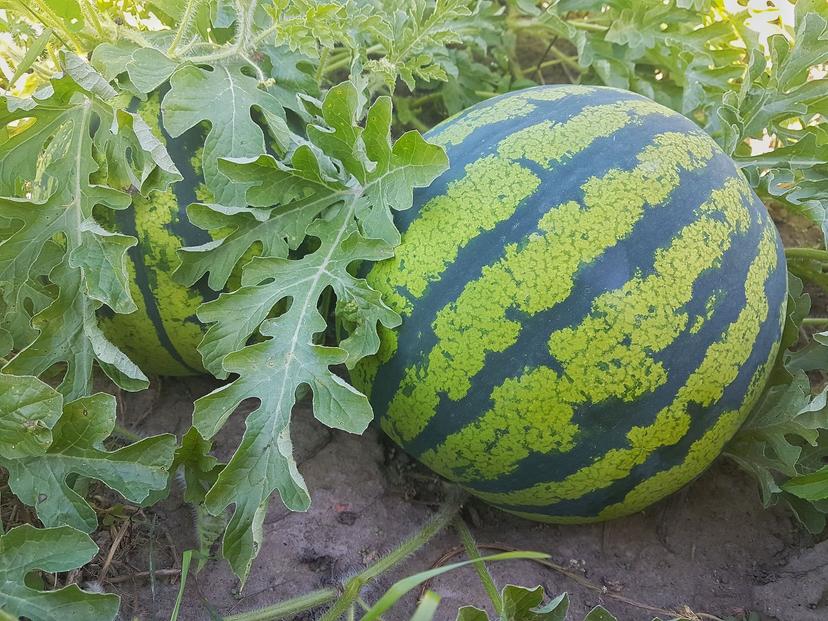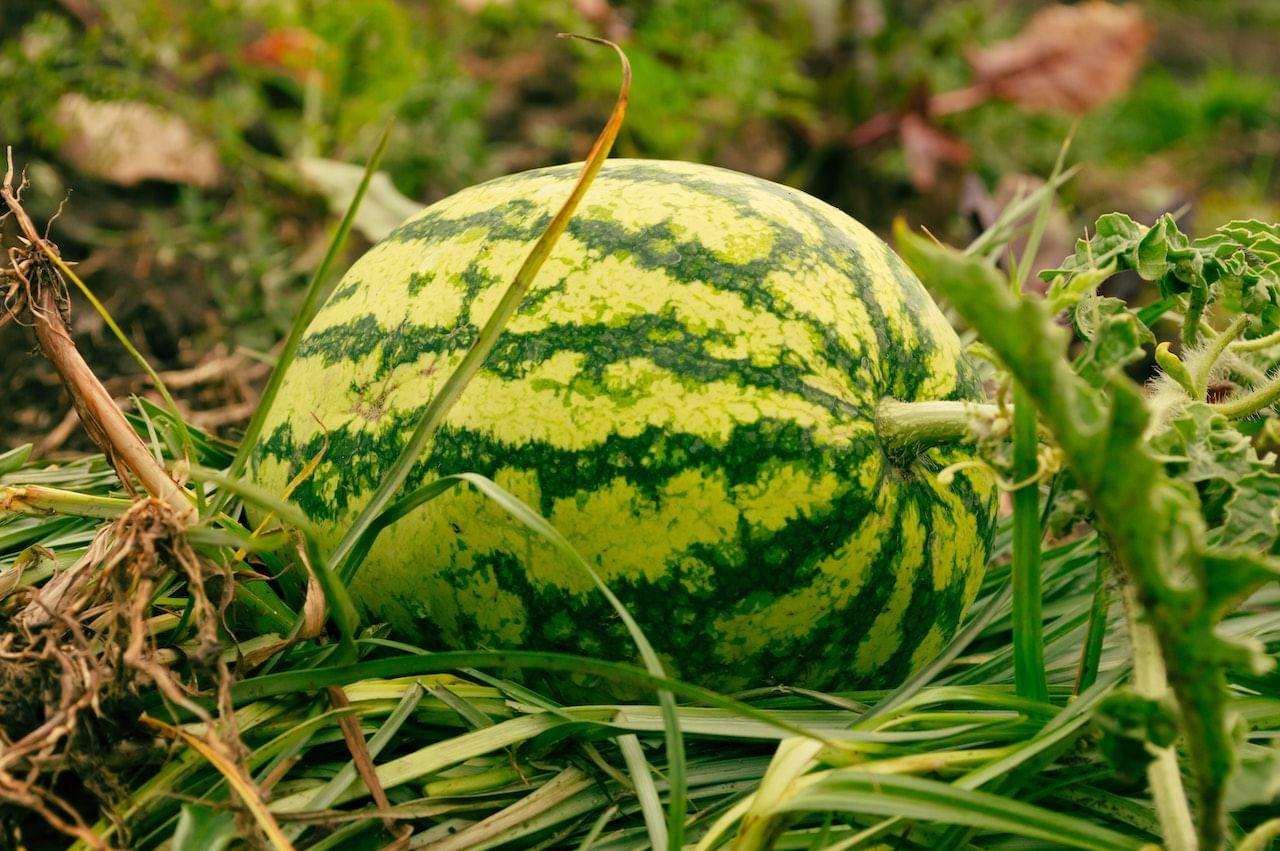
Watermelon is an important fruit crop in India widely grown in summer season and has the potential to provide significant economic benefits to farmers. They are easy to grow, require relatively little maintenance and have short growing season. However, the crop is vulnerable to a number of fungal, bacterial and viral diseases that can cause significant yield losses and reduce the quality of the fruit. It can be difficult to control watermelon diseases once they are established in the field. Early detection and prompt management using appropriate fungicides or bactericides can help to limit the spread of disease and minimize crop losses.
Fungal Diseases in Watermelon
Downy Mildew in Watermelon
Downy mildew is caused by the fungal pathogen Pseudoperonospora cubensis.
Causes:
Infected plant debris and weeds are primary sources of the disease. Wind and rain splash spread spores to healthy plants. High soil moisture, cool, wet, and humid conditions (15-23°C) favor the disease.
Symptoms of Downy Mildew in Watermelon:
Yellowish angular spots appear on the upper leaves, starting at the edges and spreading inward. A white or grayish powdery growth appears on the underside when wet. These spots turn brown to black, and the leaves may wilt and die. The plant may become stunted, producing fewer and smaller fruits with a bitter taste in severe cases.
Management of Downy Mildew in Watermelon:
|
Product name |
Technical content |
Dosage |
|---|---|---|
|
Biological Management |
||
|
Plant extracts |
2.5 ml/lit water |
|
|
Pseudomonas fluorescence |
2.5 ml/lit water |
|
|
Chemical Management |
||
|
Metalaxyl 4% + Manconzeb 64% WP |
1 – 1.5 gm/lit water |
|
|
Metiram 55% + Pyraclostrobin 5% WG |
1.2 – 1.4 gm/lit water |
|
|
Ametoctradin 27% + Dimethomorph 20.27% SC |
1.6 – 2 ml/lit water |
|
Powdery Mildew in Watermelon
Powdery mildew is caused by the fungal pathogens Erysiphe cichoracearum and Sphaerotheca fuliginea.
Causes:
Fungal spores overwinter in dormant buds, plant debris, or weeds. Wind spreads the disease, which favors dry conditions and rainfall.
Symptoms of Powdery Mildew in Watermelon:
White, powdery spots appear on leaves, stems, and young plant parts. Over time, the spots turn yellow or brown, and the leaves may curl or become distorted. Fruit may stop growing or become deformed, leading to premature defoliation.
Management of Powdery Mildew in Watermelon:
|
Product name |
Technical content |
Dosage |
|---|---|---|
|
Biological Management |
||
|
Pseudomonas fluorescence |
2.5 ml/lit water |
|
|
Eugenol, Thymol, potassium salts, cationic surface agent, sodium salts & preservatives |
1.5 – 2 gm/lit water |
|
|
Chemical Management |
||
|
Hexaconazole 5 % EC |
2 ml/lit water |
|
|
Dimethomorph 12 % + Pyraclostrobin 6.7 % WG |
3 gm/lit water |
|
|
Fluxapyroxad 250 G/L + Pyraclostrobin 250 G/L SC |
0.4 ml/lit water |
|
Anthracnose in Watermelon
Anthracnose is caused by Colletotrichum orbiculare and Colletotrichum lagenarium.
Causes:
Fungal spores overwinter in soil. Warm temperatures (24-30°C), high humidity, and leaf wetness favor its spread.
Symptoms of Anthracnose in Watermelon:
Circular or irregular dark brown to black spots appear on leaves, stems, and fruit. Spots have a water-soaked appearance, surrounded by a yellow halo. Infected fruit shows sunken lesions, cracks, and rot.
Management of Anthracnose in Watermelon:
|
Product name |
Technical content |
Dosage |
|---|---|---|
|
Biological Management |
||
|
Botanical extracts |
1 –2 ml/lit water |
|
|
Chemical Management |
||
|
Hexaconazole 5% + Captan 70% WP |
2 gm/lit water |
|
|
Mancozeb 75% WP |
0.8 – 1 gm/lit water |
|
|
Copper Hydroxide 53.8% DF |
2 gm/lit water |
|
Alternaria Leaf Spot in Watermelon
Alternaria leaf spot is caused by Alternaria cucumerina.
Causes:
The fungus overwinters in soil debris. Lack of proper fertilization, warm weather, and continuous wet conditions favor disease development.
Symptoms of Alternaria Leaf Spot in Watermelon:
Small, circular spots initially water-soaked, turning brown or black. The spots may merge and cause distortion and wilting of leaves. Infected fruit shows sunken lesions.
Management of Alternaria Leaf Spot in Watermelon:
|
Product name |
Technical content |
Dosage |
|---|---|---|
|
Biological Management |
||
|
Trichoderma viride |
2.5 ml/lit water |
|
|
Pseudomonas fluorescens |
8 – 10 ml/lit water |
|
|
Chemical Management |
||
|
Propiconazole 25 % EC |
1 ml/lit water |
|
|
Azoxystrobin 18.2% + Difenoconazole 11.4% SC |
1 ml/lit water |
|
|
Tebuconazole + Trifloxystrobin 75 WG (50% +25% ) |
0.2 – 0.5 gm/lit water |
|
Fusarium Wilt in Watermelon
Fusarium wilt is caused by Fusarium oxysporum.
Causes:
Infected soil, root wounds, and infected seeds are primary sources of spread. High soil temperature and moisture favor the disease.
Symptoms of Fusarium Wilt in Watermelon:
Stunted plant growth, yellowing of leaves, wilting, and brittle leaves. Vascular tissue may show brown discoloration, and the plant may eventually die.
Management of Fusarium Wilt in Watermelon:
|
Product name |
Technical content |
Dosage |
|---|---|---|
|
Biological Management |
||
|
Pseudomonas sp |
2ml/lit water |
|
|
Herbal formulation |
2 ml/lit water |
|
|
Chemical management |
||
|
Carbendazim 50% DF |
Soil drenching: 2 gm/lit water |
|
|
Azoxystrobin 23% SC |
Spraying: 0.5 – 1 ml/lit water |
|
|
Thiophanate Methyl 70% WP |
Foliar spray: 1 gm/lit water Drenching: 3 gm/lit water |
|
Gummy Stem Blight in Watermelon
Gummy stem blight is caused by Didymella bryoniae.
Causes:
High humidity, rainfall, leaf wetness, overhead irrigation, and infected seeds favor disease development.
Symptoms of Gummy Stem Blight in Watermelon:
Brown to black lesions appear on stems and leaves, leading to wilting and defoliation. Gummy, reddish-brown substances develop on the lesions.
Management of Gummy Stem Blight in Watermelon:
|
Product Name |
Technical Content |
Dosage |
|---|---|---|
|
Biological Management |
||
|
Pseudomonas fluorescence & Bacillus subtilis |
5 – 10 gm/lit water |
|
|
Chemical Management |
||
|
Azoxystrobin 11% + Tebuconazole 18.3% SC |
1.5 ml/lit water |
|
|
Metalaxyl 8% + Mancozeb 64% WP |
1.5 – 2.5 gm/lit water |
|
|
Chlorothalonil 75% WP |
2 gm/lit water |
|
Bacterial Diseases in Watermelon
Bacterial Wilt in Watermelon
Bacterial wilt is caused by Erwinia tracheiphila, transmitted by cucumber beetles.
Causes:
The bacterium spreads through beetles feeding on leaves, transmitting the disease through wounds.
Symptoms of Bacterial Wilt in Watermelon:
Leaves wilt suddenly, turning dull green but remaining attached. The plant dies within days. Sticky, slimy exudates appear near the soil line, and the stem collapses.
Management of Bacterial Wilt in Watermelon:
|
Product name |
Technical content |
Dosage |
|---|---|---|
|
Biological Management |
||
|
Pongamia Pinnata Extract |
2-3gm/lit water |
|
|
Chemical Management |
||
|
Kasugamacyin 3% SL |
2 – 2.5 ml/lit water |
|
|
Copper Oxychloride 50% WP |
2 – 3 gm/lit water |
|
|
Kasugamycin 5% + Copper Oxychloride 45% WP |
2 gm/lit water |
|
Management of Vector – Cucumber Beetle that transmits Bacterial Wilt:
|
Product name |
Technical content |
Dosage |
|---|---|---|
|
Biological Management |
||
|
Azadirachtin 0.3% EC |
2.5 – 3 ml/lit water |
|
|
Chemical Management |
||
|
Lambdacyhalothrin 5% EC |
1.5 – 1.65 ml/lit water |
|
|
Fenpropathrin 10% EC |
1.5 – 2 ml/lit water |
|
|
Acetamiprid 20% SP |
0.5 gm/lit water |
|
Note: Apply insecticides with caution, as overuse can harm beneficial insects.
Bacterial Fruit Blotch in Watermelon
Bacterial fruit blotch is caused by Acidovorax citrulli.
Causes:
The disease spreads through infected seeds, plant debris, and weed hosts. Overhead irrigation and mechanical transmission by workers or equipment also contribute.
Symptoms of Bacterial Fruit Blotch in Watermelon:
Dark reddish-brown spots appear along leaf veins. Water-soaked spots on fruit lead to cracks, soft flesh, and a sour smell.
Management of Bacterial Fruit Blotch in Watermelon:
|
Product name |
Technical content |
Dosage |
|---|---|---|
|
Biological Management |
||
|
Trichoderma viride |
Seed treatment: 10gm/lit water |
|
|
Consortium Plant Extracts |
0.5 – 1 gm/lit water |
|
|
Chemical Management |
||
|
Copper Oxychloride 50% WP |
2.5 gm/lit water |
|
|
Streptomycin sulphate 90% + Tetracylin hydrocloride 10% SP |
0.2 gm/lit water |
|
|
Kasugamacyin 3% SL |
2 – 2.5 ml/lit water |
|
Viral Diseases in Watermelon
Bud Necrosis Disease in Watermelon
Bud necrosis is caused by the Tomato Spotted Wilt Virus (TOSPO virus).
Causes:
Transmitted by thrips, this disease is more common in dense plantings under hot, dry conditions.
Symptoms of Bud Necrosis Disease in Watermelon :
Yellowing or bronzing of young leaves, stunted growth, and necrotic spots on buds and fruit.
Cucumber Mosaic Virus (CMV) in Watermelon
CMV is transmitted by aphids.
Causes:
The virus spreads through aphids, infected seeds, and mechanical transmission.
Symptoms of Cucumber Mosaic Virus in Watermelon:
Leaves curl, show mottled discoloration, and may become brittle or necrotic. Fruit may become deformed or smaller.
Management of Aphids and Thrips in Watermelon:
|
Product name |
Technical name |
Dosage |
|---|---|---|
|
Mechanical Management |
||
|
Chromatic trap |
10 sheets/acre |
|
|
Biological Management |
||
|
Verticillium lecanii |
2 ml/lit water |
|
|
Plant extracts |
2 ml/lit water |
|
|
Fermented Organic manure |
5 ml/ lit water |
|
|
Chemical Management |
||
|
Imidacloprid 17.8% SL |
0.75 ml/lit water |
|
|
Thiamethoxam 12.6% + Lambda-cyhalothrin 9.5% ZC |
0.5 ml/lit water |
|
|
Diafenthiuron 50% WP |
1 gm/lit water |
|
Conclusion
Watermelon is susceptible to several diseases caused by fungi, bacteria, and viruses. Effective management includes proper irrigation, fertilization, and plant spacing. Field sanitation is essential to prevent disease spread, as many diseases are carried by over-wintering spores in debris. Applying chemicals at the right time and dosage can reduce yield loss. Implement these practices to protect your crop and maximize yields.
Frequently asked questions
What is the Economic Threshold Level (ETL) for watermelon diseases?
The ETL for diseases like Downy Mildew is often set by the number of affected leaves or the percentage of the crop showing symptoms. For example, for thrips, the ETL is 6 thrips per leaf or 10% of the crop affected. Monitoring and controlling at these levels helps reduce yield losses.
How does maintaining proper field sanitation help prevent watermelon diseases?
Field sanitation, including the removal of plant debris and weeds, helps reduce the overwintering of disease-causing spores. This is crucial for controlling fungal and bacterial diseases like Downy Mildew and Bacterial Wilt.
How do I know when to apply fungicides or bactericides in watermelon crops?
Timing is key in managing diseases. For most fungal and bacterial diseases, apply fungicides or bactericides as soon as symptoms appear or at the first sign of pest infestation. Follow the product's recommended dosage and application schedule for the best results.