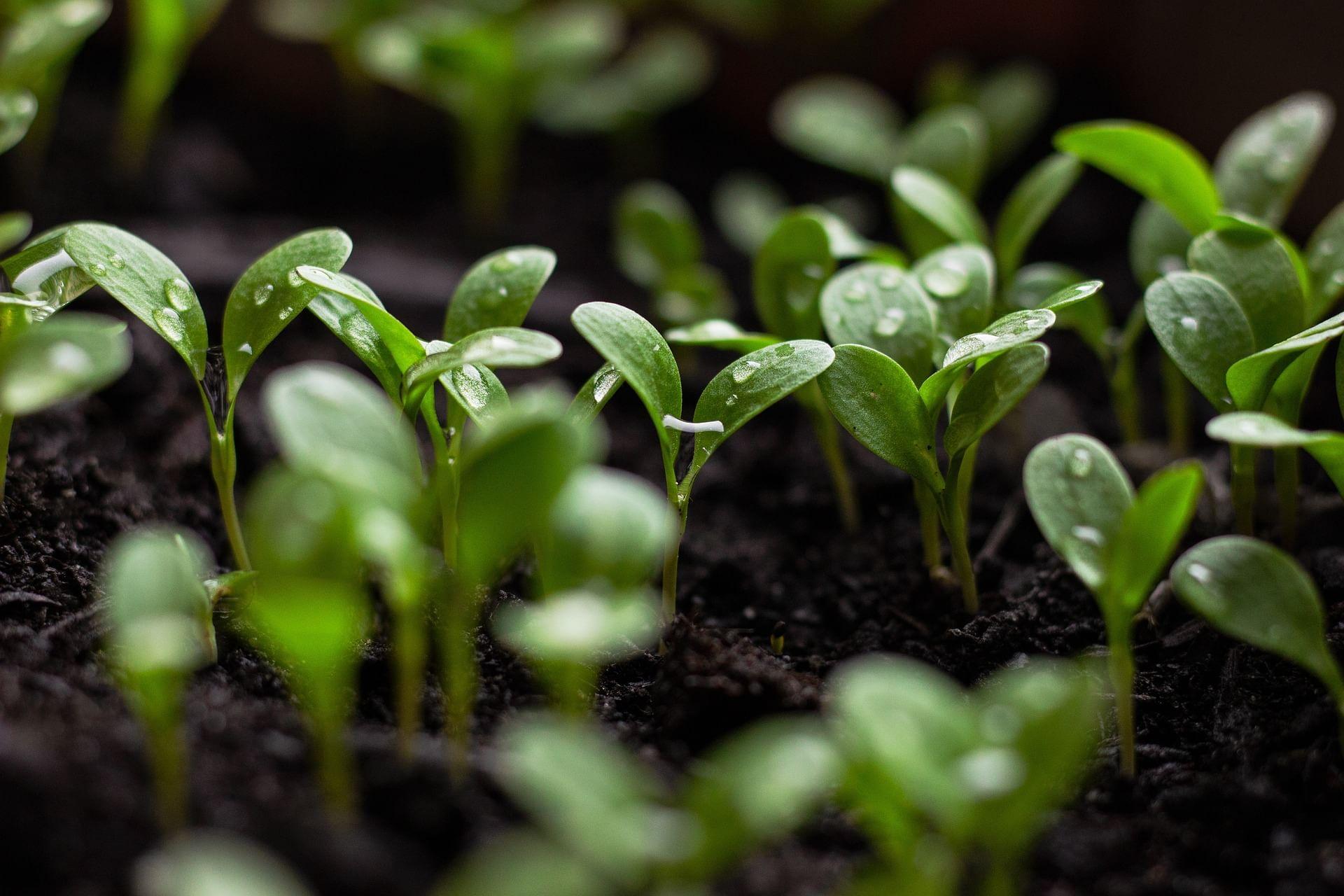
Trichoderma is an eco-friendly microorganism widely used in agriculture to control plant diseases and improve crop growth. Many farmers use Trichoderma for plants because it works as a natural bio-fungal agent that protects crops from harmful soil-borne pathogens. Unlike chemical fungicides, Trichoderma is safe for soil health and supports sustainable farming practices.
Trichoderma acts as a powerful biocontrol agent that helps suppress harmful fungi present in the soil. Because of its natural disease-fighting ability, Trichoderma in agriculture is becoming increasingly popular among farmers who want to reduce chemical usage while improving crop productivity.
What is Trichoderma and How Does it Work?
Trichoderma is a beneficial fungus found naturally in soil and root ecosystems. It works by attacking harmful fungi that cause plant diseases. When applied to soil or seeds, Trichoderma grows around plant roots and protects them from pathogens.
Many farmers ask what Trichoderma is and why it is used in agriculture. The answer is simple: it helps plants grow healthier by protecting roots and improving nutrient absorption. Because of these benefits, Trichoderma fertiliser is widely used as a biological crop protection product.
Trichoderma also improves soil microbial activity. It supports the growth of beneficial microorganisms that help plants absorb nutrients more efficiently.
How is Trichoderma Useful for Plants?
Trichoderma for plants provides several advantages that help farmers maintain healthy crops. One of the main uses of Trichoderma is controlling soil-borne fungal diseases such as root rot, damping-off, and wilt.
Farmers use Trichoderma biofertilizer to improve root development and strengthen plant resistance against diseases. The presence of Trichoderma around plant roots creates a protective barrier that prevents harmful pathogens from infecting the plant.
Because tricoderma is useful in improving soil biology and plant health, it is widely used in organic and sustainable farming systems.
Major Uses of Trichoderma in Agriculture
There are several Trichoderma uses in agriculture that help farmers improve crop productivity.
Some common Trichoderma uses include:
- Controlling soil-borne plant diseases
- Improving root growth and plant vigor
- Enhancing nutrient uptake from soil
- Increasing microbial activity in soil
- Improving overall soil fertility
These benefits make Trichoderma fertiliser an important component of biological crop protection programs.
Benefits of Trichoderma for Farmers
Trichoderma offers many advantages for crop production and soil health. The major Trichoderma benefits for plants include improved root development, better disease resistance, and enhanced plant growth.
Below are some key benefits of using Trichoderma in agriculture:
|
Benefit |
How It Helps Farmers |
|---|---|
|
Controls soil-borne diseases |
Protects crops from root diseases |
|
Improves root growth |
Stronger and healthier plants |
|
Enhances nutrient uptake |
Better crop yield |
|
Improves soil microbial activity |
Healthy and fertile soil |
|
Works as a biofertilizer |
Supports sustainable farming |
Because of these benefits, the Trichoderma biocontrol agent is widely recommended for farmers who want to improve soil health and reduce chemical inputs.
How to Use Trichoderma for Plants?
Farmers often ask how to use Trichoderma for plants in the field. Trichoderma can be applied in several ways depending on the crop and farming practice.
Common application methods include:
Seed treatment
Seeds can be treated with Trichoderma before sowing to protect seedlings from soil-borne diseases.
Soil application
Trichoderma can be mixed with compost or farmyard manure and applied to the soil to improve microbial activity and root protection.
Root treatment
Seedlings can be dipped in a Trichoderma solution before transplanting to protect young plants from fungal infections.
Using Trichoderma harzianum in agriculture is particularly effective in controlling several plant diseases and improving crop health.
Best quality Trichoderma products available on BigHaat
Refer the table below to get the best quality Trichoderma products available on Bighaat:
|
Product Name |
Method of Application |
Dosage |
|---|---|---|
|
Foliar spray |
3 gm/lit water |
|
|
Seed treatment |
5 gm per kg of seed |
|
|
Seed treatment |
6 ml/kg of seed |
|
|
Seed treatment |
20 gm/kg of seed |
|
|
Seed treatment |
10 gm/lit water per kg seed |
|
|
Foliar spray |
3 gm/lit water |
Conclusion
Trichoderma is an effective and eco-friendly solution for improving plant health and soil fertility. As a natural biocontrol agent, it protects crops from harmful fungal pathogens while supporting sustainable agriculture.
With several Trichoderma uses in agriculture, farmers can improve crop productivity, reduce chemical fungicide usage, and maintain healthy soil. By applying Trichoderma for plants through seed treatment or soil application, farmers can ensure better plant growth and stronger resistance to diseases.
Frequently Asked Questions
What is Trichoderma used for in agriculture?
Trichoderma is used as a biocontrol agent to control soil-borne fungal diseases and improve plant growth.
What are the benefits of Trichoderma for plants?
The main Trichoderma benefits for plants include improved root growth, disease control, and better nutrient absorption.
How to use Trichoderma for plants?
Farmers can apply Trichoderma through seed treatment, soil application, or root dipping to protect crops from fungal diseases.
Is Trichoderma a biofertilizer?
Yes, Trichoderma biofertilizer improves soil microbial activity and supports healthy plant growth.
Why is Trichoderma important in sustainable agriculture?
Trichoderma helps reduce chemical fungicide use and promotes eco-friendly crop protection practices.