Chilli Leaf Yellowing: Causes and Solutions
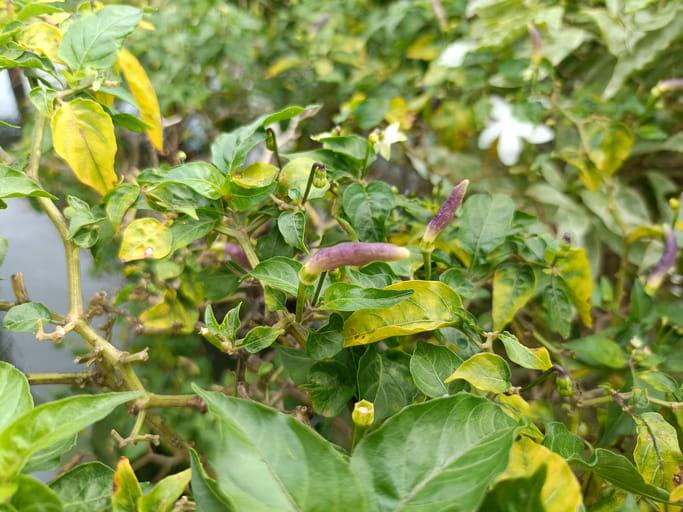
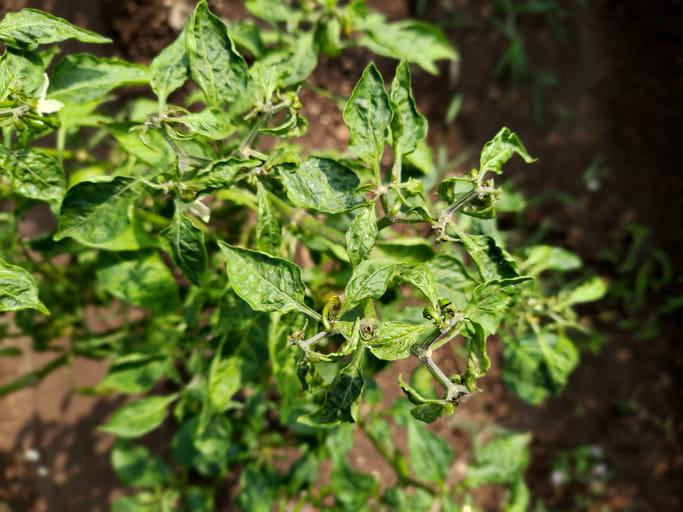
IntroductionChilli farmers across India often notice their plants turning yellow during the kharif season, and this is a cause for concern. Chilli leaf yellowing is a common problem that can indicate various underlying issues—from simple nutrient deficiency to serious fungal diseases. The challenge for farmers is identifying the exact cause quickly, because the solution depends entirely on what's causing the yellowing. If you treat a disease as a nutrient deficiency, or vice versa, you'll waste money and time while your crop continues to deteriorate. This comprehensive guide will help you diagnose the cause of chilli leaf yellowing and implement the right solution to save your plants and maintain productivity throughout the growing season.What is Chilli Leaf Yellowing?Chilli leaf yellowing is the discoloration of green foliage to yellow, which can occur at any plant stage but is most concerning during the vegetative and flowering phases. Unlike simple natural leaf senescence (old leaves naturally yellowing and falling), yellowing that spreads across the canopy or affects young leaves indicates a problem that needs intervention. Leaf yellowing can result from three major causes: nutritional deficiency, fungal or viral diseases, and pest damage. Each cause requires different management strategies.Early identification of the yellowing pattern is crucial because it helps you narrow down the cause. Some patterns are diagnostic—for example, yellowing starting from leaf margins is typically potassium deficiency, while yellowing between leaf veins suggests iron deficiency. Understanding these patterns lets you act quickly and correctly.SymptomsChilli leaf yellowing presents differently depending on the cause. Learn to recognize these patterns:Nitrogen deficiency: Older lower leaves turn pale yellow first, while younger upper leaves remain greenIron chlorosis: Young leaves show yellowing between veins while veins remain green (interveinal pattern)Potassium deficiency: Yellowing starts at leaf margins and spreads inward; older leaves affected firstMagnesium deficiency: Interveinal yellowing in older leaves, veins remain dark greenFungal leaf spots (Cercospora, Alternaria): Yellow halos appear around brown/black spots, eventually affecting entire leavesViral infection (Chilli Mosaic Virus): Mottled yellow and green pattern appears, leaves become distorted and stuntedSpider mite damage: Fine webbing visible; yellow stippling and speckled appearance on leaf undersidesWaterlogging stress: Uniform yellowing of entire plant; roots appear soft and roots smell badPest damage (whiteflies, aphids): Yellow stippling with insects visible on undersides; sticky honeydew residue presentWhole plant appearance: Slow growth, reduced flowering, stunted fruit development in severe casesYield impact: Even moderate yellowing reduces photosynthesis, leading to 20-40% yield loss if uncorrected Farmer Tip: Take a close look at which leaves are yellowing first. If it's older bottom leaves first, suspect nitrogen. If it's young top leaves with green veins showing, suspect iron deficiency. If yellowing edges of leaves are affected, suspect potassium. This pattern recognition helps you diagnose the problem within minutes. Favorable ConditionsDifferent causes of yellowing thrive under different conditions:Nutritional deficiency: Poor or sandy soil with low organic matter; rain leaching nutrients; use of low-quality fertilizersIron chlorosis: High soil pH (alkaline soil); excessive lime or calcium in soil; poor root developmentFungal leaf spot diseases: High humidity, heavy rainfall, and leaf wetness during kharif season; dense plant canopy; poor air circulationViral diseases: Presence of aphid or whitefly vectors; infected seed or contaminated tools; lack of plant quarantineSpider mite infestation: Hot, dry weather; dusty field conditions; nearby infested plantsWaterlogging: Poor field drainage; heavy rainfall; low-lying field areas; clay soil without adequate drainageWhitefly and aphid pressure: Warm, humid weather; monoculture fields; lack of beneficial insects; weeds as alternate hosts Preventive MeasuresPrevention keeps your chilli plants healthy and yellow-leaf-free:Soil preparation: Test soil nutrient status before planting. Incorporate well-decomposed organic matter (5-10 tons/ha) to improve soil fertility and structure.Balanced fertilization: Apply recommended NPK (15:15:15 or 20:20:0) based on soil test results. Avoid excess nitrogen, which promotes disease.Drainage improvement: Ensure your field has proper drainage systems, especially in heavy rain areas. Avoid waterlogging by creating raised beds if necessary.Use certified, disease-free seeds from reputable sources to prevent viral and fungal diseases from the start.Maintain proper spacing (45 × 45 cm) to ensure good air circulation and reduce humidity around plants.Regular weeding removes alternate hosts for pests and diseases, and reduces competition for nutrients.Monitor plants weekly during the kharif season to catch early signs of yellowing before they spread.Control vectors: Monitor for aphids and whiteflies early, as these transmit viral diseases that cause mottled yellowing.Avoid overhead irrigation to keep foliage dry and reduce fungal disease pressure. Use drip irrigation when possible. Management PracticesManaging chilli leaf yellowing requires correctly identifying the cause first, then applying targeted solutions. IPM principles apply here too: start with cultural and biological approaches, and use chemicals only when necessary. Remember that correcting nutritional deficiency requires patience (2-3 weeks) while treating diseases may require quicker action.Mechanical Control & Cultural PracticesYour first actions should be non-chemical:Remove severely yellowed leaves to improve air circulation and reduce disease spread.Prune lower branches to prevent soil-borne disease spores from splashing onto foliage.Improve field drainage immediately if waterlogging is the problem. Make drainage furrows and avoid overwatering.Hand-remove yellowed leaves with spots to stop fungal disease spread to healthy leaves.Adjust fertilizer regime: If deficiency is suspected, apply foliar spray of required nutrient or soil application based on identification.For viral infections, remove and destroy infected plants to prevent spread. Biological ControlFor disease-related yellowing, use these biological products:Product NameTechnical ContentDosageTrichoderma Viride WPTrichoderma viride 1 × 10⁷ CFU/g5-6 g/L waterBacillus subtilis WPBacillus subtilis 1 × 10⁸ CFU/g10 ml/10 L waterNeem Oil 3% ECCold-pressed neem oil 3% w/v5% solution (50 ml/L)Beauveria bassiana WPBeauveria bassiana 1 × 10⁹ spores/g5-10 g/L waterPotassium Nitrate Foliar SprayPotassium nitrate 99% w/w10-15 g/L water (foliar) For nutritional deficiency, consider foliar sprays of specific micronutrients in addition to soil application.Chemical ControlFor fungal leaf spot yellowing, use appropriate fungicides:Product NameTechnical ContentDosageMancozeb 75% WPMancozeb 75% w/w2.5-3 g/L waterTebuconazole 25% ECTebuconazole 25% w/v1 ml/L waterFerrous Sulphate Foliar SprayFerrous sulphate 20% w/w5-10 g/L water (for iron chlorosis)Azoxystrobin 25% SCAzoxystrobin 25% w/v1 ml/L waterCopper Oxide 50% WPCopper oxide 50% w/w3 g/L water Safety Tip: For iron deficiency (interveinal yellowing), chelated iron foliar sprays work better than ferrous sulphate and don't burn leaves. Always test on a small area first if you're unsure. When applying micronutrient sprays, do so in early morning or late evening to avoid leaf burn. Best Time to Take ActionScout frequently: Check your field weekly from flowering onwards to catch yellowing before it spreads.Diagnose immediately: When you notice yellowing, spend 5 minutes identifying the pattern. Is it old leaves, new leaves, entire plant, or spotted leaves? This diagnosis directs your treatment.Nutritional correction: Apply foliar or soil treatment immediately. Recovery takes 15-21 days, so don't delay.Disease management: Start fungicide sprays at the first sign of spotted leaf yellowing. Spray every 10-12 days during wet season.Pest control: If mites or insects are causing yellowing, control them quickly before they multiply exponentially. Common Mistakes Farmers Should AvoidMisdiagnosis: Treating a disease as a nutrient problem or vice versa wastes money and time. Take a moment to examine yellowing pattern carefully.Assuming all yellowing is nitrogen deficiency: Many farmers automatically add more nitrogen when they see yellow leaves, when the problem might be something else entirely.Spraying chemicals without confirmation: Fungicides won't help if the yellowing is due to waterlogging or nutrient deficiency. Spend time diagnosing first.Ignoring drainage problems: Even if you apply nutrients or chemicals, plants in waterlogged soil won't recover until drainage improves.Over-applying nutrients: Excess fertilizer burns roots and worsens yellowing. Follow soil test recommendations or extension service guidelines.Not monitoring vectors: If viral disease causes mottled yellowing, controlling aphids and whiteflies early prevents the problem.Continuing to use overhead irrigation: If fungal leaf spots cause yellowing, overhead irrigation during evening spreads spores and worsens the problem. ConclusionChilli leaf yellowing is a warning sign that your plants need immediate attention, but the good news is that it's usually reversible if you act quickly and correctly. The key is accurate diagnosis—spend a few minutes examining the yellowing pattern to identify whether it's nutritional, disease-related, or pest-related. Once you know the cause, the solution becomes clear and straightforward. Nutritional deficiency requires foliar or soil nutrient application; fungal diseases require fungicide sprays or biological control; and pest damage requires targeted pest management. Prevention through proper soil preparation, balanced fertilization, good drainage, and regular scouting can prevent most yellowing problems before they develop. When yellowing does occur, remember that the cheapest solution is always prevention, the most effective approach is correct diagnosis, and patience combined with persistence will get your chilli crop back to vibrant green health within a few weeks.Note: The information contained herein is for informational purposes only. Nothing herein shall be construed to be financial or legal advice. Viewers are advised to do their own research before making any decisions.
















.png&w=828&q=75)