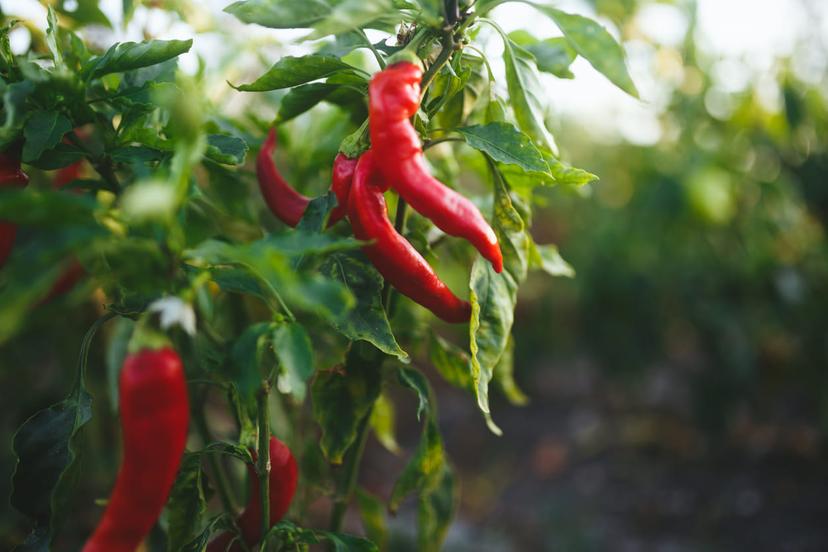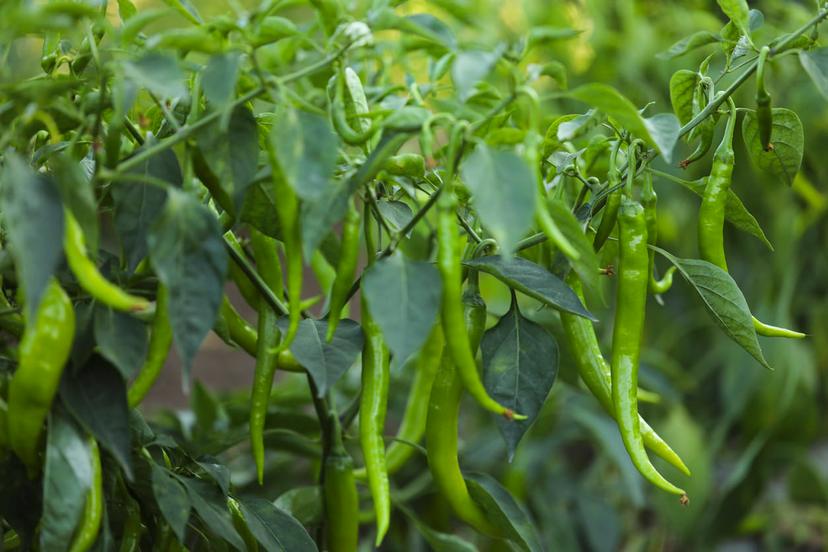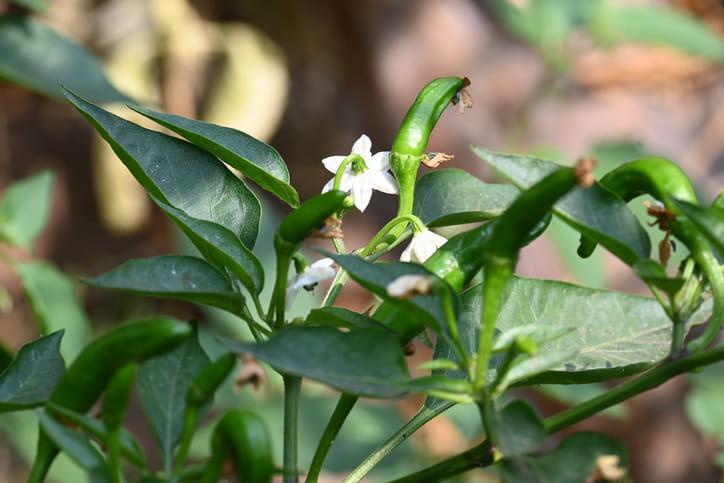
A chilli plant can produce hundreds of flowers, but only a fraction of them become fruits if the conditions are not right. Heavy flower drop is one of the biggest reasons for low yield. Most causes are preventable with simple agronomic steps. Here are the top 7 reasons farmers see flower drop in chilli and exactly how to fix each one.
1. High or Low Temperature Stress
Chilli flowering is sensitive to extremes. Day temperatures above 35 °C and night temperatures above 25 °C trigger heavy flower drop. Cold spells below 15 °C also cause abortion.
Fix: Schedule sowing so flowering avoids peak summer heat. Use shade nets in extreme zones. Mulching and drip irrigation reduce soil temperature.
2. Boron and Calcium Deficiency
Boron is essential for flower formation and pollen viability. Calcium gives strength to flower stalks. Shortage of either causes flowers to dry and fall.
Fix: Apply borax 4 to 6 kg per acre in soil before transplanting. Foliar spray borax 0.1 to 0.2 percent and calcium nitrate 0.5 percent at flower initiation and again 10 days later.
3. Excess Nitrogen
Heavy use of urea or DAP makes plants leafy and delays flowering. Lush green plants often have very few flowers.
Fix: Reduce nitrogen at bud stage. Switch to phosphorus and potassium-rich nutrition. Foliar 0:52:34 at 4 g per litre at bud initiation, and 13:0:45 at 5 g per litre at flowering.
4. Water Stress (Drought or Waterlogging)
Both extremes hurt flowering. Drought stops the plant from supporting flowers; waterlogging suffocates roots.
Fix: Use drip irrigation. Mulch with paddy straw or plastic. Drain surface water within 24 hours of heavy rain.
5. Thrips, Mites, and Whitefly Attack
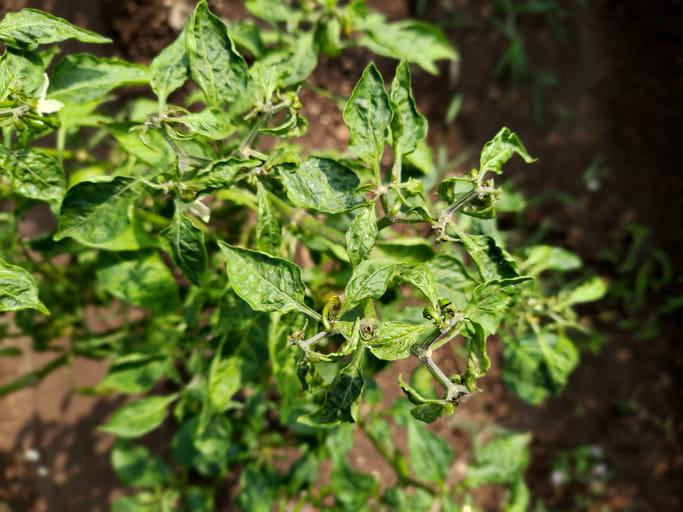
Sucking pests damage growing points and flower buds. Mites cause leaf curling. Whiteflies transmit chilli leaf curl virus, which devastates flowering.
Fix: Monitor weekly with sticky traps. Spray neem oil 3 to 5 ml per litre at first sighting. Use Spinosad, Fipronil, or Diafenthiuron above ETL, following label.
6. Poor Pollination
Chilli is mostly self-pollinated but still benefits from bee activity. Sprays during flowering harm pollinators; very dry or very wet weather reduces pollen viability.
Fix: Avoid insecticide sprays during morning flowering hours. Plant marigold or coriander on field borders to attract bees. Keep humidity moderate.
7. Viral Diseases
Chilli leaf curl virus (CLCV) and chilli mosaic virus cause heavy flower abortion. Once infected, no chemical cures the plant.
Fix: Plant tolerant varieties. Use 40 to 50 mesh nursery cover. Aggressively control whiteflies. Remove and destroy infected plants immediately.
Quick Action Table
|
Reason |
Quick Fix |
|---|---|
|
Heat / Cold |
Time sowing, use shade net or mulch |
|
Boron / Calcium |
Foliar borax + calcium nitrate |
|
Excess N |
Switch to 0:52:34 and 13:0:45 |
|
Water stress |
Drip + mulch; avoid waterlogging |
|
Sucking pests |
Sticky traps + neem + ETL-based sprays |
|
Poor pollination |
Avoid bloom sprays, plant marigold borders |
|
Virus |
Resistant variety + whitefly control |
Conclusion
Flower drop in chilli is rarely one problem. A small fix in each area — nutrition, water, pest, and pollination — adds up to a big yield gain. Follow product label instructions and consult your local KVK or extension officer for variety and product recommendations in your district.