crucifersHeroBanners

नवीनतम लेख

Image

21 July 2026

|

फसलें

Cauliflower Diamondback Moth Control: Early Symptoms and Spray Guide

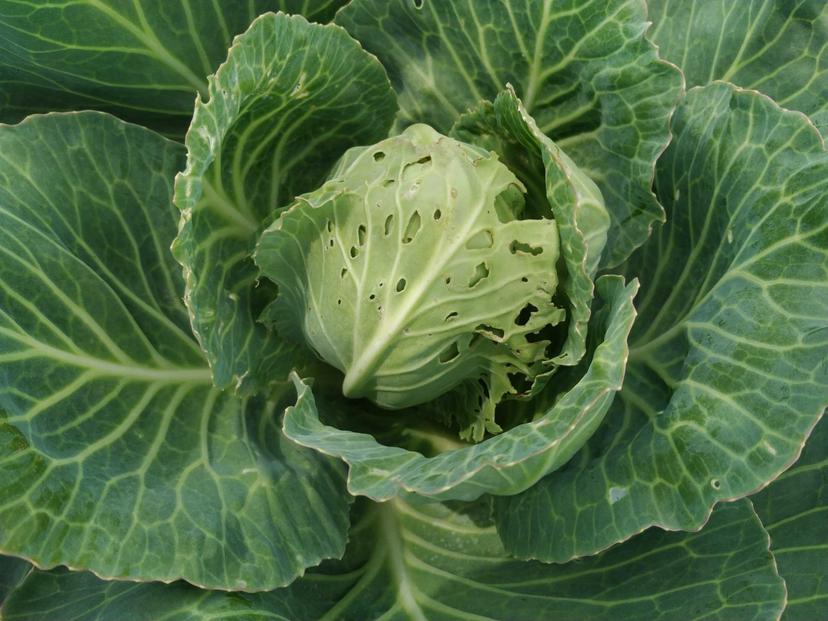
Few pests can ruin a cauliflower crop faster than the diamondback moth. The damage often starts small, but if you miss the early warning signs, these tiny caterpillars can quickly skeletonize leaves, weaken plants, and reduce curd quality. The good news is that cauliflower diamondback moth control is very possible when you know what to look for and how to respond early. In this guide, you'll learn the first symptoms of infestation, how to identify damage before it spreads, and which spray strategies work best for managing diamondback moths on cauliflower. What Is the Diamondback Moth? The diamondback moth is a small gray-brown moth whose larvae feed on cruciferous crops like cauliflower, cabbage, broccoli, kale, and Brussels sprouts. While the adult moth is easy to overlook, the larvae are the real problem. They hatch on the leaves and feed aggressively, often hiding on the undersides where they're harder to spot. Because diamondback moths reproduce quickly, a small infestation can turn into a major outbreak in a matter of days, especially in warm weather. Early Symptoms of Diamondback Moth Infestation on Cauliflower Early detection is the key to effective control. The sooner you identify the pest, the easier it is to stop serious crop loss. 1. Tiny Window-Like Holes in Leaves The earliest sign is usually small, irregular holes in the leaves. Young larvae feed by scraping the leaf surface, which creates translucent "window panes" before the tissue breaks open completely. 2. Skeletonized Leaf Tissue As feeding continues, leaves may look thin, shredded, or skeletonized. In severe cases, only the veins remain, giving the plant a lace-like appearance. 3. Dark Green Larvae on the Undersides of Leaves Diamondback moth larvae are small, slender, and green. They often wriggle vigorously when disturbed and may drop from the plant on a silk thread. Check the undersides of leaves, especially younger inner foliage. 4. Small Whitish Eggs on Leaves Eggs are tiny and usually laid singly or in small groups. They are often found on leaf surfaces near veins. Finding eggs early means you can act before larvae start feeding. 5. Adult Moths Fluttering Around Plants Adults are small and narrow-winged, with a distinctive pattern when at rest. If you notice many tiny moths disturbing as you walk through the field or garden, inspect plants immediately. Tip: Don't wait for major leaf damage. If you see eggs, tiny larvae, or a few feeding holes, begin control measures right away. Why Diamondback Moths Are So Hard to Control Diamondback moths are a major pest because they develop resistance to many insecticides. That means sprays that worked in the past may no longer provide reliable results. They also reproduce fast, hide well, and can survive on crop debris and nearby weeds. Successful control depends on a combination of monitoring, timely spraying, and good field sanitation. Best Spray Guide for Cauliflower Diamondback Moth Control Sprays can be effective, but only if they are applied correctly and at the right stage. The goal is to target young larvae before they grow larger and cause more damage. 1. Use Bt for Young Larvae Bacillus thuringiensis (Bt) is one of the most widely recommended options for organic and low-toxicity control. It works best on small larvae and must be applied when caterpillars are actively feeding. Best for early-stage larvae Safe for beneficial insects when used properly Requires thorough leaf coverage May need repeat applications after rain or heavy growth Bt is most effective when sprayed late in the day, since larvae feed more actively then and UV light can reduce product longevity. 2. Spinosad for Heavier Pressure Spinosad is another effective option for diamondback moth control, especially when populations are increasing. It provides stronger knockdown than Bt in many situations, but it should still be rotated with other products to reduce resistance risk. Works well against small to medium larvae Has faster action than Bt Can help when pest pressure is moderate to high Use carefully to protect pollinators and beneficial insects 3. Neem-Based Sprays for Suppression Neem oil and neem-based products can help suppress feeding and interfere with development. They are not usually the strongest stand-alone solution for severe infestations, but they can be useful in an integrated pest management program. Best as part of a rotation plan Useful for early infestations May reduce feeding and egg-laying Needs good coverage for best results 4. Insect Growth Regulators and Rotational Sprays For commercial growers, insect growth regulators and other labeled insecticides may be needed in rotation to manage resistance. The most important principle is not to rely on one spray type repeatedly. Rotate active ingredients with different modes of action whenever possible, and always follow the label instructions for cauliflower and brassica crops. How to Spray Cauliflower for Diamondback Moths Even the best product won't perform well if it doesn't reach the pest. Diamondback moth larvae hide in tight spaces, so spray technique matters. Inspect plants first. Check the undersides of leaves and inner foliage for eggs and larvae. Target early larvae. Spray when caterpillars are small and actively feeding. Cover thoroughly. Wet both upper and lower leaf surfaces. Apply during calm weather. Avoid windy conditions that reduce coverage. Reapply as needed. Follow label timing, especially after rain or rapid new growth. For best results, use a sprayer that creates fine, even coverage without excessive runoff. Focus especially on the inner leaves where larvae often hide. Non-Spray Methods That Improve Control Sprays work much better when combined with cultural and preventive practices. These steps can reduce pressure and help keep infestations from returning. Remove crop residue: Destroy leftover brassica plants after harvest to eliminate breeding sites. Control weeds: Many weeds in the brassica family can host diamondback moths. Use row covers: Fine mesh covers can prevent adult moths from laying eggs. Scout regularly: Weekly checks help catch infestations early. Encourage beneficial insects: Parasitoids and predators can help suppress populations. When to Spray and When to Hold Back Timing is everything. If you spray too early, before pests are present, you waste product. If you spray too late, larger larvae may survive and continue feeding. Spray when: Eggs and small larvae are present Feeding holes are increasing Adult moths are active and scouting confirms infestation Hold back when: No larvae or eggs are found Beneficial insect activity is high and pressure is very low Weather conditions will prevent proper coverage Common Mistakes to Avoid Many cauliflower growers lose time and yield because of avoidable errors in diamondback moth management. Waiting until leaves are badly damaged Using the same spray repeatedly Failing to inspect leaf undersides Applying sprays in poor weather Ignoring nearby weeds and crop debris Remember: consistent scouting and early intervention are far more effective than rescue treatments after the infestation spreads. Final Thoughts Cauliflower diamondback moth control starts with knowing the early symptoms: tiny holes, window-pane damage, larvae on the undersides of leaves, and small moths around the crop. Once those signs appear, quick action matters. Use Bt for young larvae, rotate with spinosad or other labeled products when needed, and combine sprays with clean field practices for the strongest protection. If you want healthier cauliflower and fewer losses, begin scouting now and treat the first signs of damage before the pest gets ahead of you. Early detection is the best spray strategy of all.

सभी लेख देखें

भारत का सबसे बड़ा कृषि मंच

400+

ब्रांड्स

30M+

किसानों की पसंद

9K+

उत्पाद

95%+

से ज़्यादा पिनकोड में सेवा