How to Control Weeds Effectively After First Monsoon Rain
Introduction
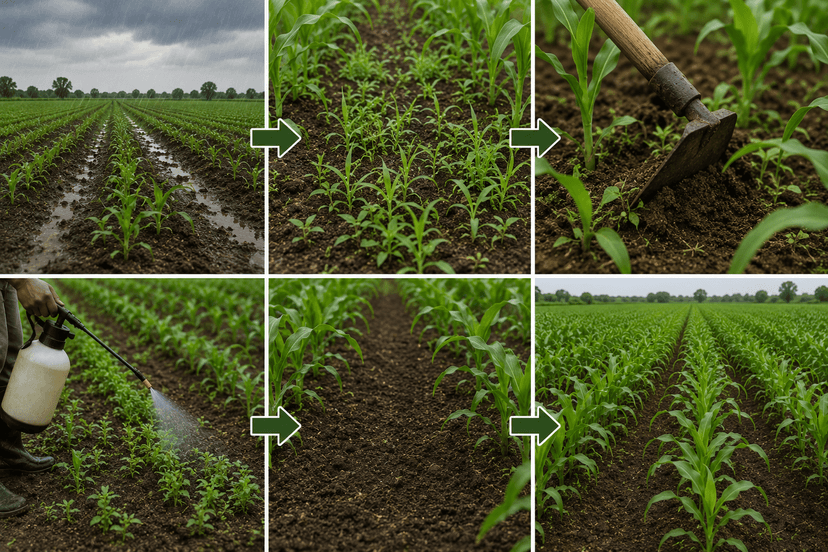
The first monsoon rain brings relief to farmers and helps start sowing operations for many crops. However, along with crop germination, weeds also emerge very quickly after rainfall. In many fields, weed growth becomes visible within a few days after the first rain. If weeds are not controlled early, they compete strongly with crops for nutrients, water, sunlight, and space.
During the early crop stage, weeds can reduce germination, slow crop growth, weaken root development, and lower final yield. In some crops, uncontrolled weeds during the first 30–40 days may cause major production loss. Therefore, proper weed management immediately after monsoon rain is very important for healthy crop establishment.
Farmers should combine manual methods, herbicide application, field monitoring, and timely operations for effective weed control.
Why Weed Growth Increases After First Rain
Weed seeds remain dormant in the soil during dry periods. Once rainfall moistens the soil, these seeds germinate rapidly. Warm temperature, moisture, and sunlight together create ideal conditions for weed emergence.
Weeds usually grow faster than crop seedlings during the initial stage. If not controlled early, they dominate the field and reduce crop growth.
Common problems caused by weeds include:
Competition for nutrients and water
Reduced crop growth
Weak root development
Poor tillering and branching
Increased pest and disease problems
Difficulty during fertilizer application and irrigation
Lower yield and poor crop quality
Early weed management is always easier and cheaper than controlling large weeds later.
Common Types of Weeds Seen After Monsoon Rain
Farmers may observe different types of weeds depending on crop and soil condition.
Grassy Weeds
These weeds resemble grasses and spread rapidly in rainy weather.
Examples include:
Echinochloa species
Cynodon species
Dactyloctenium species
Broadleaf Weeds
These weeds have broad leaves and compete heavily with crops.
Examples include:
Amaranthus species
Parthenium
Commelina species
Sedges
These weeds are commonly seen in wet and poorly drained soils.
Examples include:
Cyperus species
Identifying the weed type is important before selecting any herbicide.
Importance of Early Weed Control
The first 30–45 days after sowing are called the critical crop-weed competition period in many crops. During this stage, weeds affect crop establishment the most.
If weeds are controlled early:
Crop seedlings establish properly
Nutrient use efficiency improves
Water availability increases for the crop
Plant growth becomes uniform
Pest hiding places reduce
Future weed pressure becomes lower
Delayed weed control increases labor cost and reduces herbicide effectiveness.
Pre-Emergence Herbicides
Pre-emergence herbicides are applied soon after sowing but before weed emergence. These herbicides form a protective layer on the soil surface and stop weed seeds from germinating properly.
Advantages of Pre-Emergence Herbicides
Control weeds during the early crop stage
Reduce initial weed competition
Lower labor requirement
Help maintain clean crop rows
Reduce need for repeated weeding
Important Conditions for Better Results
Farmers should remember:
Soil should have sufficient moisture
Spray should be done soon after sowing
Herbicide should be applied before weeds emerge
Field should be free from large soil clods
Proper spray coverage is necessary
If heavy rainfall occurs immediately after spraying, herbicide movement may become uneven. Therefore, weather observation is important.
Post-Emergence Herbicides
Post-emergence herbicides are sprayed after weeds emerge in the field. These herbicides work better when weeds are young and actively growing.
Best Timing for Post-Emergence Spray
Farmers should spray:
When weeds are at early growth stage
Before weeds become too large
During active weed growth
When rainfall is not expected immediately after spraying
Young weeds are easier to control compared to mature weeds.
Important Points Before Spraying
Identify whether weeds are grassy or broadleaf
Select crop-safe herbicides only
Avoid spraying during strong wind
Use recommended dosage
Do not spray stressed crops
Late spraying on overgrown weeds may not give satisfactory control.
Crop-Wise Weed Management Recommendations
Different crops require different weed management approaches. Farmers should follow crop-specific recommendations.
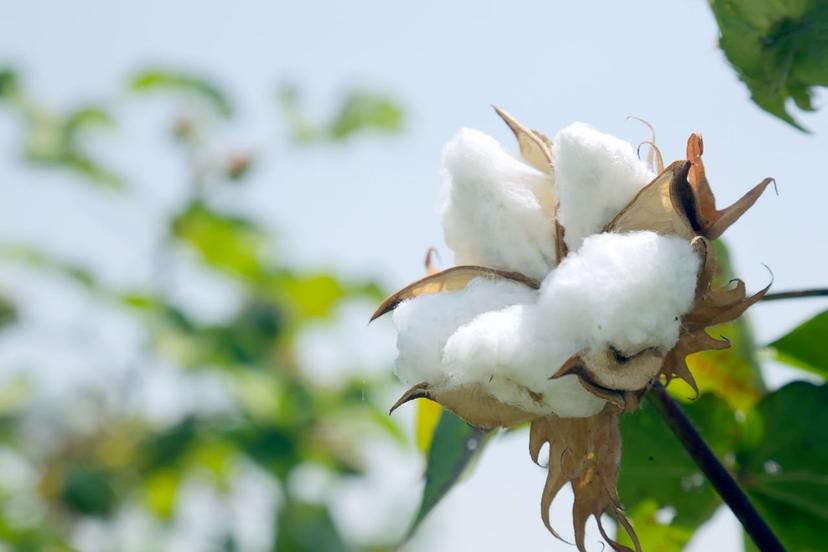
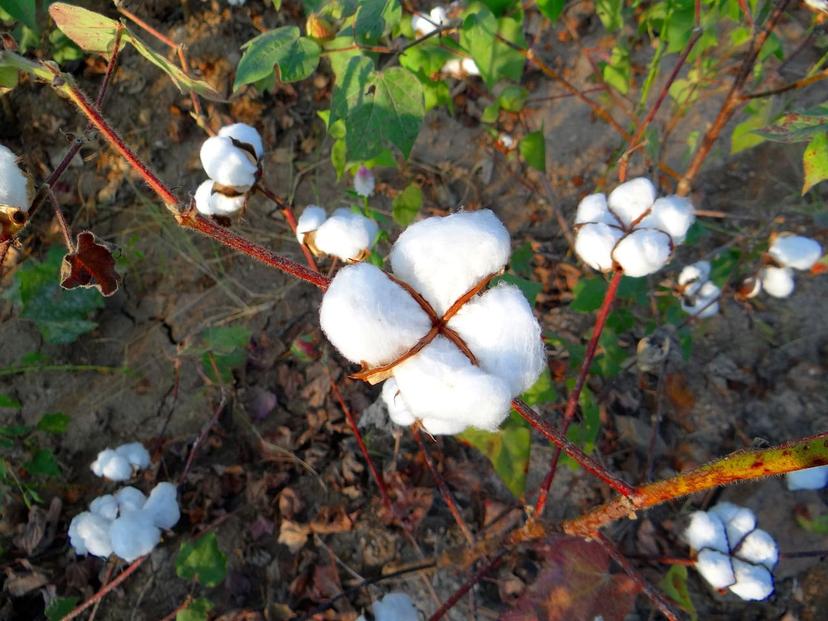
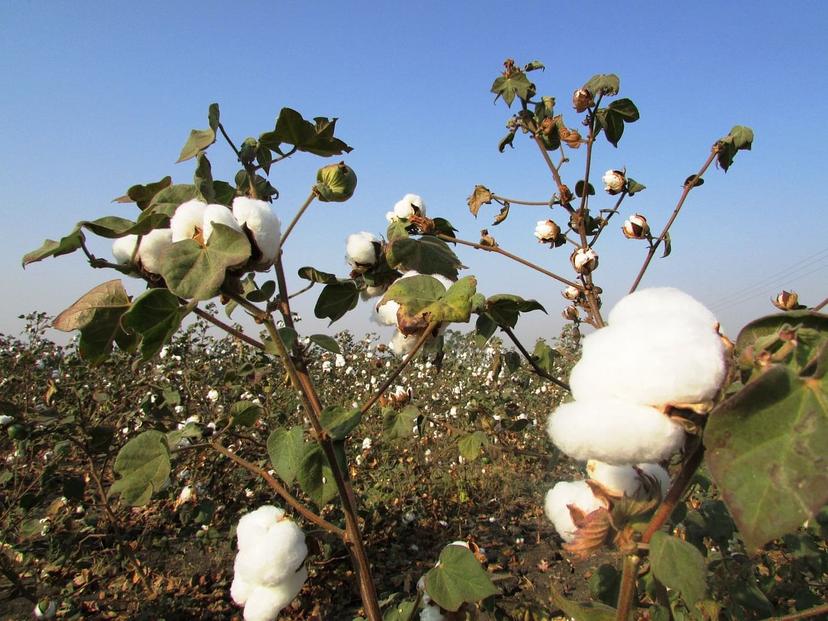
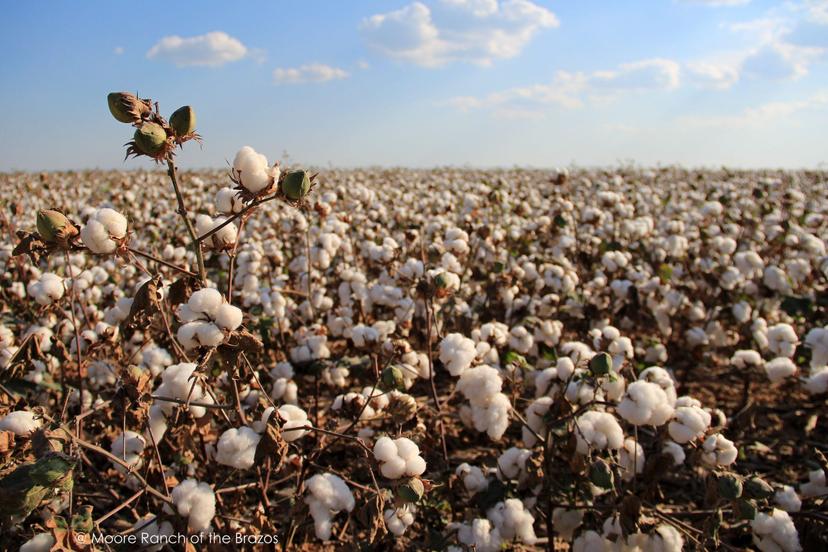
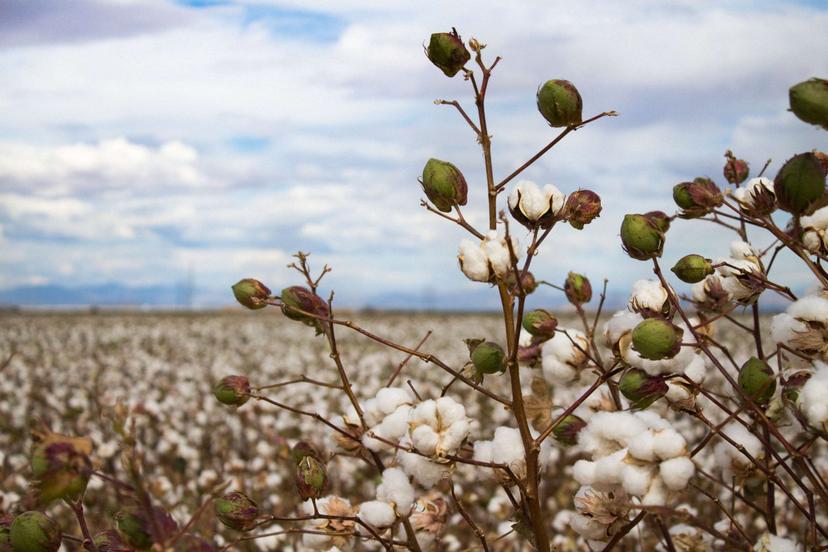
Cotton
In cotton, early weed competition reduces plant growth and branching.
Farmers should:
Use pre-emergence herbicide soon after sowing
Follow intercultivation after weed emergence
Remove weeds near plant base manually if needed
Maize
Weeds reduce nutrient uptake heavily in maize during the early stage.
Important practices include:
Early pre-emergence spray
Timely post-emergence control for grassy weeds
Mechanical weeding between rows
Soybean
Soybean seedlings grow slowly initially and are highly affected by weeds.
Farmers should:
Maintain weed-free field during first 40 days
Use suitable pre-emergence herbicide
Monitor broadleaf weed infestation carefully
Paddy
Weeds in paddy compete strongly for nutrients and space.
Management includes:
Proper water management
Timely herbicide application
Hand weeding where necessary
Vegetable Crops
Vegetable crops require careful herbicide selection because young seedlings are sensitive.
Farmers should:
Prefer mulching and manual weeding where possible
Use only crop-recommended herbicides
Avoid chemical drift on tender plants
Manual vs Chemical Weed Control
Both manual and chemical weed management methods have advantages. Farmers should choose based on crop stage, labor availability, rainfall condition, and weed intensity.
Manual Weed Control
Includes:
Hand weeding
Hoeing
Intercultivation
Advantages:
Safe for crop plants
Useful for small fields
Effective for isolated weeds
Limitations:
High labor cost
Difficult during continuous rain
Time-consuming in large fields
Chemical Weed Control
Includes herbicide spraying.
Advantages:
Faster weed control
Saves labor and time
Effective for large fields
Limitations:
Wrong herbicide may damage crops
Improper spraying reduces effectiveness
Requires correct timing and dosage
Integrated weed management using both methods often gives the best results.
Spray Precautions During Rainy Weather
Herbicide spraying during monsoon requires extra care because rainfall affects spray performance.
Farmers should follow these precautions:
Avoid spraying when heavy rain is expected
Do not spray during strong wind
Spray when leaves are dry
Use clean water for spray preparation
Maintain proper spray pressure
Use recommended nozzle type
Avoid spray drift to nearby crops
Follow label recommendations carefully
If rain occurs immediately after spraying, herbicide effectiveness may reduce. In some cases, re-spraying may be needed based on field observation.
Importance of Field Drainage
Poor drainage increases weed growth, especially sedges and water-loving weeds.
Farmers should:
Create drainage channels
Avoid water stagnation
Level the field properly
Remove weeds from bunds and channels
Good drainage also improves herbicide performance and crop growth.
Additional Tips for Effective Weed Management
Farmers can reduce weed pressure further by following these practices:
Use clean and certified seed
Follow crop rotation
Avoid allowing weeds to produce seeds
Remove weeds before flowering
Keep field borders clean
Use mulching where possible
Monitor fields regularly after rainfall
Combine manual and chemical methods properly
Continuous field observation is important because new weed flushes may appear after repeated rainfall.
Common Mistakes Farmers Should Avoid
Delaying weed control after weed emergence
Spraying wrong herbicide in the wrong crop
Using excess herbicide dosage
Spraying before heavy rainfall
Ignoring weed growth on bunds
Depending only on one weed control method
Allowing weeds to mature and produce seeds
Avoiding these mistakes improves long-term weed management success.
Conclusion
Weed growth increases rapidly after the first monsoon rain and can seriously affect crop establishment if not controlled early. Weeds compete with crops for nutrients, water, and sunlight during the most important early growth stage. Proper weed management through pre-emergence herbicides, timely post-emergence spraying, manual weeding, drainage improvement, and regular field monitoring is essential.
Farmers should choose weed control methods based on crop type, weed species, rainfall condition, and field situation. Early action is the key to reducing weed competition and improving crop growth. Integrated weed management practices help maintain healthy crop stands, reduce production costs, and improve overall yield.