Saaf Fungicide Uses and Benefits for Farmers
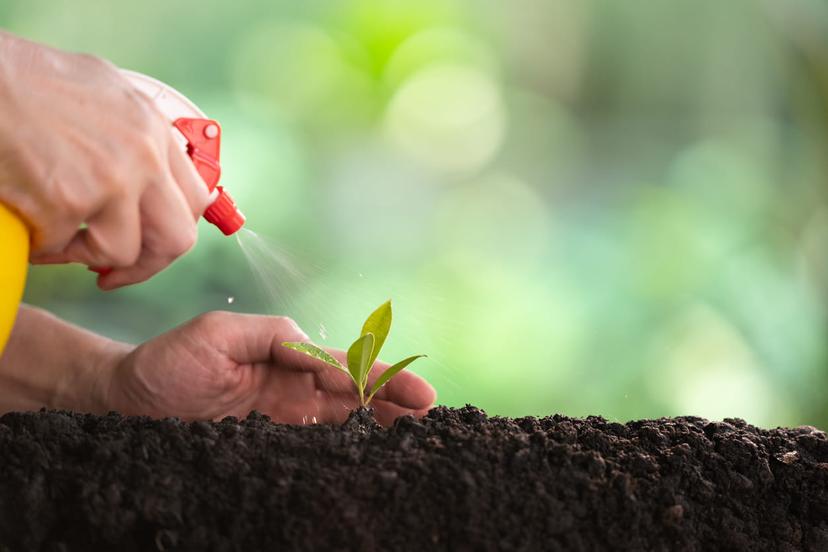
This guide explains the uses of Saaf fungicide in crop protection, particularly for managing common fungal diseases like powdery mildew, leaf spot, blight, and anthracnose across various crops such as Chilli, Grape, Mango, and Paddy. Learn when to apply Saaf fungicide, including early symptom identification and preventive spraying. The blog also covers the Saaf fungicide dosage, the correct way to mix and spray, and the key benefits of using Saaf for healthier crops and better yields. Additionally, it provides safety precautions to follow while applying the fungicide to ensure effective use and crop protection.Fungal diseases are a common issue in many crops, causing problems like leaf spots, blight, yellowing, and drying of leaves. If not controlled at the right time, these diseases can lower both yield and crop quality. This is where Saaf fungicide uses become crucial for farmers looking for safe and timely disease management solutions.What Is Saaf Fungicide Used For?In simple terms, Saaf fungicide is used to manage fungal diseases across a variety of crops. It's commonly applied to vegetables, fruits, and field crops, as per the label recommendations. The main purpose of using Saaf fungicide is to protect crops from the spread of diseases and reduce further damage.Saaf fungicide contains a powerful combination of Carbendazim 12% + Mancozeb 63% WP, making it highly effective in controlling a wide range of fungal infections. Here’s how it benefits different crops:Chilli: Controls fruit rot, leaf spot, and powdery mildew.Grape: Targets anthracnose, downy mildew, and powdery mildew.Mango: Prevents anthracnose and powdery mildew.Paddy: Effective in managing blast.Potato: Controls early blight, late blight, and black scurf.Maize: Prevents downy mildew and leaf blight.Tea: Protects against black rot, blister blight, dieback, grey blight, and red rust.Groundnut: Manages leaf spot and rust.By following the recommended Saaf dose per litre and Saaf fungicide dosage, farmers can ensure they protect their crops effectively for better yields.When to Use Saaf Fungicide?The timing of Saaf fungicide usage is critical for the best results. Saaf fungicide should be applied at the early stages of disease development or as a preventive measure to stop the spread of fungal infections.Early SymptomsSpray Saaf fungicide when you first see signs of fungal disease. The earlier you act, the more effective the treatment.Preventive SprayingEven if no symptoms are visible yet, using Saaf fungicide as a preventive measure can significantly reduce the pressure of fungal diseases.How to Use Saaf Fungicide?To get the best results from Saaf fungicide, it is important to apply it correctly. Here's a simple guide to using Saaf fungicide:1. Mixing the FungicideAlways follow the recommended Saaf fungicide dosage mentioned on the product label. For example, for Chilli, use 300g of Saaf fungicide per acre, diluted in 200L of water.Mix the fungicide thoroughly in clean water to ensure a uniform distribution of the solution.2. Spraying the FungicideEven Coverage: Spray the solution evenly on both sides of the leaves to ensure better coverage and effectiveness.Timing: Spray early in the morning or late in the evening to avoid the hottest part of the day. This ensures better absorption and prevents evaporation.3. Dosage for Different CropsHere are the Saaf fungicide dosage recommendations for popular crops:Chilli: 300g per acre, diluted in 200L of water.Grape and Mango: 300g per acre, diluted in 200L of water.Paddy: 300g per acre, diluted in 300L of water (with a 57-day waiting period before harvest).4. Avoid OveruseNo Overuse: Do not exceed the recommended dosage. Using more than the required amount will not provide extra benefits and may harm your crops.Follow Label Instructions: Always refer to the official label for precise Saaf fungicide dosage per litre and application methods.Benefits of Using Saaf FungicideWhen used properly, Saaf fungicide provides several key benefits that can help crops grow healthy and strong:Prevents Disease SpreadStops fungal infections from spreading to healthy parts of the plant.Protects Healthy LeavesEnsures that your crops maintain their healthy, green leaves.Supports Better Crop GrowthHelps your crops thrive and yield better results.Maintains Crop QualityBy preventing diseases, Saaf fungicide ensures your crops stay strong and of high quality.Using Saaf fungicide as part of a complete crop management plan, which includes proper fertilization and irrigation, will ensure that your crops are well-protected and productive.What Safety Advice Should Be Followed When Using Saaf Fungicide?Safety is key when applying Saaf fungicide. Always follow these safety precautions:Read the LabelAlways follow the instructions on the label to ensure safe and effective use.Wear Protective GearWhen spraying, wear appropriate protective clothing to avoid exposure to the fungicide.Avoid MixingDo not mix Saaf fungicide with other products unless specified on the label.Wait Before HarvestAlways observe the recommended waiting period before harvesting to ensure the safety and effectiveness of Saaf fungicide.By following these guidelines and the recommended Saaf fungicide technical name instructions, farmers can use Saaf fungicide safely and effectively to protect their crops from fungal diseases, leading to healthier plants and better yields.Using Saaf fungicide properly, mixing, applying at the right time, and following the label instructions, ensures that your crops stay protected from fungal diseases, resulting in healthier plants and better harvests. Always refer to Saaf fungicide composition, Saaf fungicide content, and Saaf fungicide dose per acre for detailed usage guidelines.Frequently Asked Questions1. What are the Saaf fungicide uses in cropsSaaf fungicide uses include managing fungal diseases such as leaf spots and blight in vegetables, fruits, and field crops as per label recommendations.2. What is the recommended saaf dose per litreSaaf dose per litre depends on the crop and disease. Farmers should always follow the saaf fungicide dosage per litre mentioned on the product label.3. How to use Saaf fungicide correctlyFor proper saaf fungicide use, mix the recommended quantity in clean water, stir well, and spray evenly on both sides of leaves as per label instructions.4. What is the Saaf fungicide dose per acreSaaf fungicide dose per acre varies based on crop and disease stage. Always refer to the official label before application to avoid overuse.5. Where can farmers check the Saaf fungicide price and product detailsFarmers can check saaf fungicide price, saaf fungicide 100gm price, saaf fungicide composition, saaf fungicide content, and saaf fungicide technical name on the product pack or authorised agri platforms.