Introduction
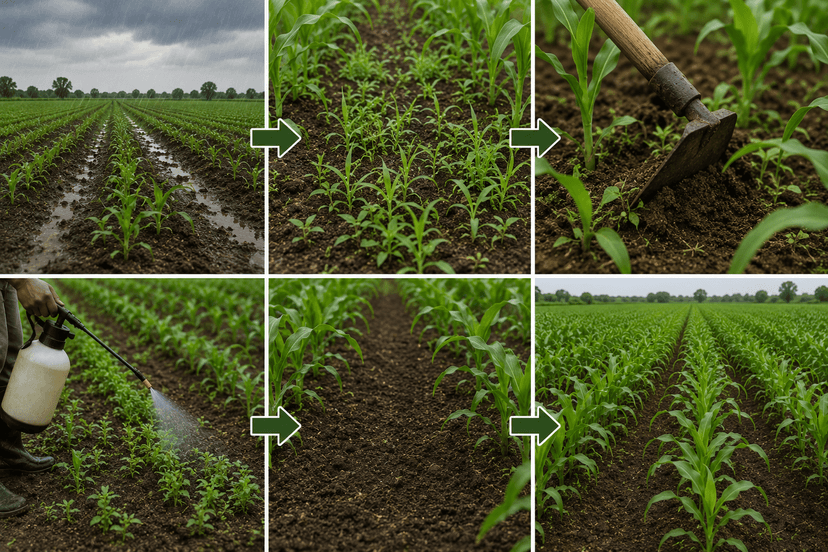
Continuous rainfall during sowing season creates serious problems for farmers. One of the most common issues is poor seed germination and seed rot due to excess soil moisture. Farmers often spend heavily on seed, fertilizer, and land preparation, but after heavy rains, many seeds fail to emerge properly. In some fields, germination becomes uneven, while in severe cases farmers may need complete re-sowing.
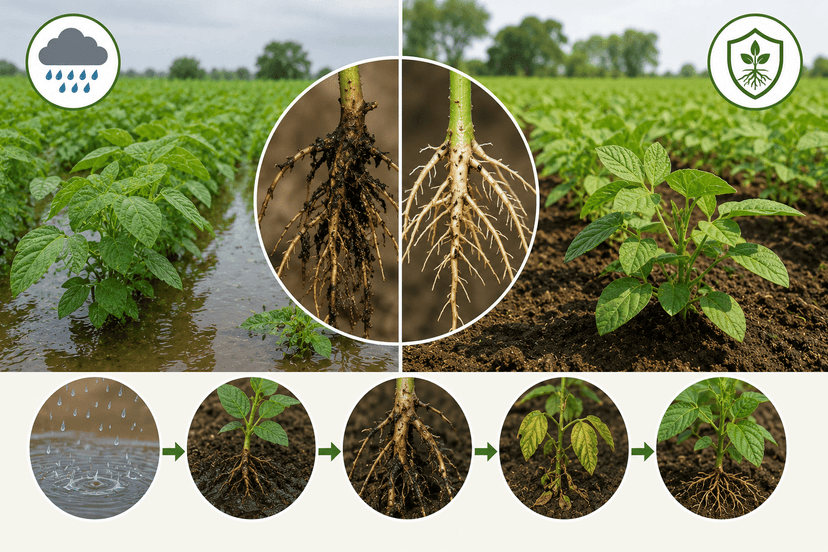
Excess moisture in the soil reduces oxygen around the seed and creates favorable conditions for fungal infection. Weak germination not only affects plant population but also delays crop growth and reduces final yield. Therefore, proper seed treatment, drainage management, and timely field care are very important during rainy conditions.
Why Seed Rot Happens During Continuous Rain
After sowing, seeds require proper moisture, oxygen, and suitable soil temperature for healthy germination. During continuous rainfall, soil becomes excessively wet and air movement inside the soil reduces. Under such conditions, fungal organisms present in the soil attack the seed before proper germination takes place.
In many cases, the seed swells after absorbing water but fails to sprout. Sometimes the seed germinates partially and later rots inside the soil. Young seedlings may also die immediately after emergence if the soil remains waterlogged.
Common Symptoms of Seed Rot and Poor Germination
Farmers may notice the following problems after heavy rainfall:
-
Low or uneven germination in the field
-
Missing gaps between seedlings
-
Seeds becoming soft, black, or rotten inside soil
-
Delayed seed emergence
-
Weak and pale seedlings
-
Seedlings collapsing soon after germination
-
Foul smell from rotting seeds in wet soil
-
Patchy crop stand in low-lying areas
-
Slow early crop growth
These symptoms are usually more severe in poorly drained fields and heavy soils where water remains stagnant for long periods.
Main Causes of Poor Germination During Rainy Weather
Several factors together increase the risk of seed rot during continuous monsoon rains.
Excess Soil Moisture
When soil remains saturated for many hours or days, oxygen availability around the seed reduces. Without oxygen, the seed cannot respire properly and healthy germination gets affected.
Fungal Infection
Wet soil favors fungal diseases that attack seeds and young seedlings. These fungi spread rapidly in moist conditions and damage seeds before emergence.
Low Soil Temperature
Continuous rainfall and cloudy weather may reduce soil temperature. Cold and wet soil slows down seed germination, especially in crops that require warm conditions.
Deep Sowing
Seeds sown too deep in wet soil take longer to emerge. During this delay, fungal infection chances increase.
Poor Quality Seed
Weak or untreated seeds are more likely to rot under stressful field conditions.
Water Stagnation
Low-lying areas with standing water face maximum seed loss because seeds remain submerged for long periods.
Importance of Seed Treatment Before Sowing
Seed treatment is one of the most effective and economical methods to prevent seed rot during rainy conditions. Properly treated seeds remain protected from fungal infection during the early germination stage.
Seed treatment helps in:
-
Protecting seeds from soil-borne fungi
-
Improving germination percentage
-
Reducing seedling mortality
-
Supporting early root development
-
Improving uniform crop stand
-
Reducing the need for re-sowing
Farmers should never skip seed treatment during monsoon sowing, especially when heavy rainfall is expected.
Fungicide and Bio-Agent Combination for Better Protection
Using a combination of fungicide seed treatment and beneficial bio-agents gives better protection under high moisture conditions.
Fungicide Seed Treatment
Recommended fungicide treatment helps protect the seed from fungal attack during the early stage. It creates a protective layer around the seed and reduces rotting inside wet soil.
Farmers should:
-
Use only recommended fungicides for seed treatment
-
Follow proper dosage instructions
-
Mix treatment uniformly on seeds
-
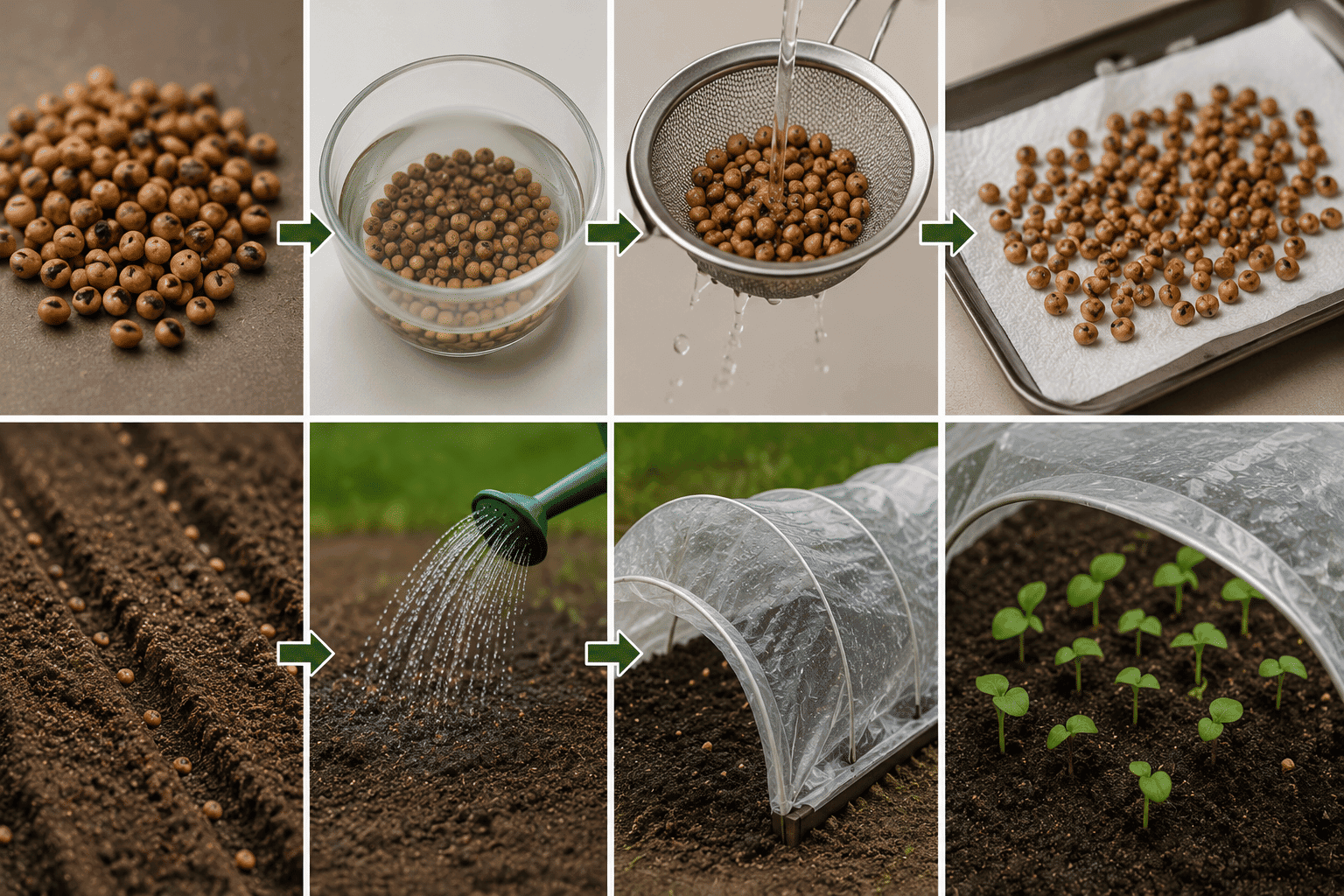
Dry treated seeds in shade before sowing
-
Avoid storing treated seed for a long time
Bio-Agent Seed Treatment
Bio-agents help suppress harmful fungi naturally and improve root health.
Commonly used beneficial bio-agents include:
-
Trichoderma formulations
-
Pseudomonas fluorescens formulations
Benefits of bio-agent treatment include:
-
Better root protection
-
Improved seedling vigor
-
Reduced fungal growth around roots
-
Better soil microbial activity
In many cases, farmers use fungicide treatment first and then apply compatible bio-agents as per recommendation.
Soil Temperature and Its Effect on Germination
Many farmers focus only on rainfall but ignore soil temperature. Soil temperature plays a major role in seed germination.
During continuous cloudy and rainy weather:
-
Soil remains cool and wet
-
Seed metabolism slows down
-
Germination becomes delayed
-
Seeds remain exposed to fungal attack for longer periods
Warm-season crops like cotton, maize, soybean, chilli, and vegetables require suitable soil warmth for fast germination. If soil temperature is too low, seeds remain inactive for several days.
Farmers should avoid sowing immediately before very heavy rainfall if prolonged cold and wet conditions are expected.
Importance of Proper Drainage in the Field
Drainage management is one of the most important steps in preventing seed rot. Even treated seeds may fail if water remains stagnant in the field.
Create Drainage Channels
Farmers should prepare small drainage channels before sowing itself. This helps remove excess rainwater quickly from the field.
Drainage channels should:
-
Allow smooth water movement
-
Prevent water accumulation around seed rows
-
Be cleaned regularly during monsoon
Raised Bed Sowing
In heavy soils and high rainfall areas, raised bed planting helps improve drainage and aeration around seeds.
Benefits include:
-
Better oxygen availability
-
Faster soil drying after rain
-
Reduced fungal infection
-
Improved root development
Avoid Low-Lying Waterlogged Areas
Fields with poor leveling often develop waterlogging patches. Seeds in these areas usually suffer maximum damage.
Proper field leveling before sowing helps reduce water stagnation.
Re-Sowing Gap Management
After heavy rainfall, many farmers become confused about whether to wait or re-sow immediately. Re-sowing decisions should be taken carefully after field observation.
When to Wait
Farmers can wait if:
-
Partial germination is still continuing
-
Soil is slowly drying
-
Seedlings are emerging after temporary delay
-
Plant population remains acceptable
When Re-Sowing is Needed
Re-sowing may be required if:
-
Large gaps are visible across the field
-
Most seeds have rotted
-
Germination percentage is very low
-
Seedlings have collapsed due to severe infection
Proper Gap Filling
In some fields, only certain patches may be affected. Instead of complete re-sowing, farmers can do gap filling in missing areas.
Gap filling should be done:
-
After soil moisture becomes manageable
-
Using treated seed
-
As early as possible to maintain uniform crop growth
Delayed re-sowing leads to uneven crop maturity and management difficulties later.
Additional Preventive Tips for Farmers
Farmers can reduce seed rot problems during monsoon by following these simple practices:
-
Use certified and high-quality seed
-
Avoid sowing in very wet soil
-
Follow proper sowing depth
-
Use recommended seed rate
-
Treat seeds before sowing
-
Improve drainage before rainfall
-
Avoid excess irrigation after sowing
-
Monitor weather forecasts during sowing period
-
Avoid compacted soil conditions
-
Use organic matter to improve soil structure
Healthy soil with good drainage and aeration supports better germination even during rainy weather.
Common Mistakes Farmers Should Avoid
-
Sowing immediately before extremely heavy rainfall
-
Skipping seed treatment to save cost
-
Using old or poor-quality seed
-
Allowing water stagnation in the field
-
Deep sowing in wet soil
-
Re-sowing too early in saturated soil
-
Applying excess irrigation after rainfall
Avoiding these mistakes can significantly improve crop establishment.
Conclusion
Seed rot and poor germination during continuous rainfall are major challenges for farmers during monsoon sowing. Excess soil moisture, fungal infection, low soil temperature, poor drainage, and untreated seeds are the main reasons for crop establishment failure.
Farmers can reduce these losses through proper seed treatment, fungicide and bio-agent combinations, drainage creation, balanced sowing practices, and timely gap management. Monitoring soil moisture and weather conditions before sowing is also very important. Early preventive care helps achieve uniform germination, healthy crop stand, and better final yield.