Growing the same crop on the same field season after season is one of the fastest ways to wear out your soil and invite pest problems. Crop rotation is the simple, time-tested practice of changing the crops grown in a field across seasons or years. Done well, it improves soil fertility, breaks disease and insect cycles, and lifts overall yield.
What Is Crop Rotation?
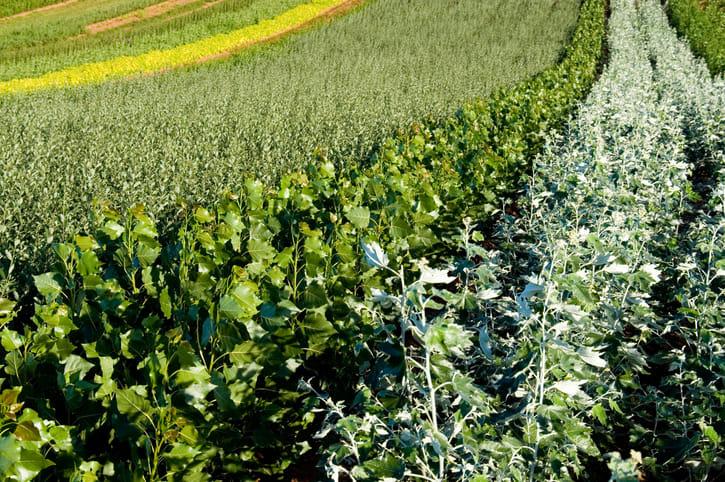
Crop rotation is the planned sequence of growing different crops in the same field over consecutive seasons or years. Instead of paddy-paddy or wheat-wheat repeated each year, the farmer may follow paddy with wheat, gram, or mustard, and follow cotton with chickpea or sorghum. The key is that crops in the rotation come from different botanical families and have different nutrient and pest profiles.
Why Is Crop Rotation Important?
1. Improves Soil Fertility
Different crops draw different nutrients from the soil. Legumes such as gram, soybean, moong, urad, and pigeon pea fix atmospheric nitrogen in their root nodules. This natural nitrogen benefits the next cereal or oilseed crop and can reduce urea use by 20 to 25 percent.
2. Breaks Pest and Disease Cycles
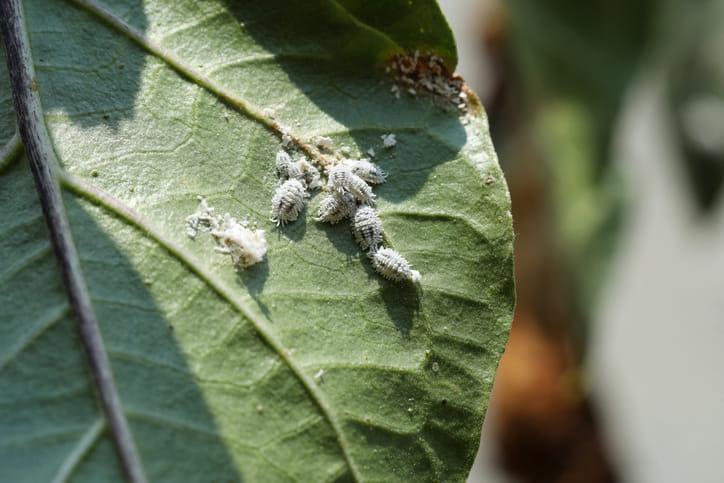
Many insects and pathogens are crop-specific. Continuous paddy encourages stem borer and brown plant hopper. Continuous wheat encourages Karnal bunt and aphids. Rotating with a non-host crop starves these pests and breaks their life cycle.
3. Controls Weeds
Each crop favours certain weeds. For example, Phalaris minor thrives in wheat fields where the same crop is grown each year. Rotating wheat with gram or mustard, combined with different herbicide groups, helps suppress problem weeds.
4. Improves Soil Structure
Deep-rooted crops like pigeon pea, lucerne, or sunflower break compaction in lower layers, while shallow-rooted cereals use surface nutrients. The mix improves drainage, aeration, and water-holding capacity.
5. Reduces Risk and Stabilizes Income
If one crop fails due to price crash or weather, the other crops in the rotation soften the blow. Farmers who follow only one crop are heavily exposed to that crop's risks.
Common Crop Rotation Examples in India
Region | Example Rotation |
|---|---|
Punjab / Haryana | Paddy → Wheat → Summer moong |
Maharashtra (rainfed) | Cotton → Pigeon pea → Sorghum |
Madhya Pradesh | Soybean → Wheat / Gram |
Uttar Pradesh | Paddy → Wheat → Dhaincha (green manure) |
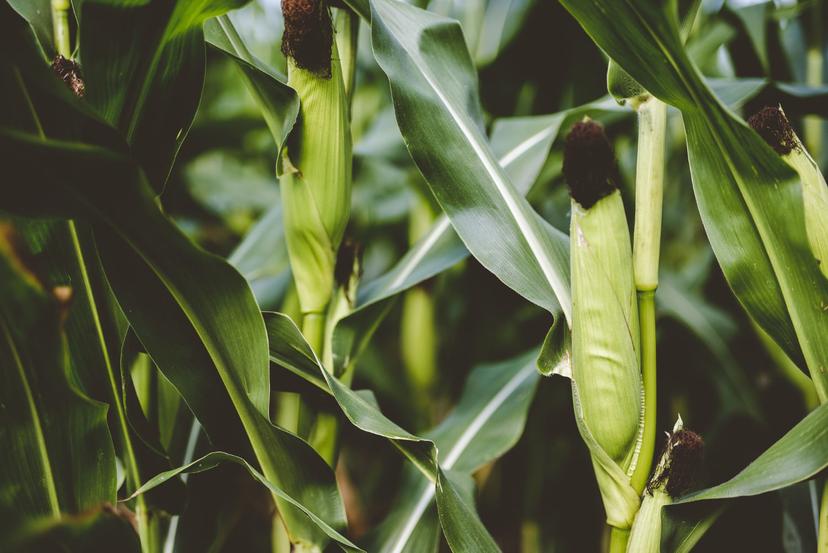
Andhra Pradesh / Telangana | Paddy → Maize → Green gram |
Karnataka (rainfed) | Ragi → Pulses → Oilseed |
Principles of a Good Crop Rotation
- Follow a deep-rooted crop with a shallow-rooted one.
- Follow a heavy feeder (cereal) with a light feeder (legume).
- Avoid back-to-back crops from the same family (e.g., tomato then brinjal: both Solanaceae).
- Include at least one legume in every 2 to 3 year cycle.
- Match the rotation to your soil type, climate, and market.
When Crop Rotation Goes Wrong
Rotation can fail when farmers choose crops from the same family or when the second crop is sown too late after the first harvest. Time the rotation carefully so each crop receives its full growing window. Also avoid back-to-back high-water crops in low-water regions.
Conclusion
Crop rotation is one of the cheapest and most powerful tools for long-term productivity. It rebuilds soil, breaks pest cycles, controls weeds, and stabilizes income. Plan rotations 2 to 3 years ahead and consult your local agriculture extension officer for region-specific recommendations.