Summary
Soil pH plays a crucial role in crop growth because it directly affects nutrient availability and plant health. When soil becomes too acidic or too alkaline, crops cannot absorb essential nutrients efficiently, even if fertilisers are applied.
Most crops grow best within a soil pH range of 6.5-7.5, which supports better nutrient uptake and root development. Farmers can monitor soil conditions through regular soil pH testing using laboratory analysis, testing kits, or digital meters.
If soil pH falls outside the ideal range, practices such as applying lime for acidic soil or gypsum for alkaline soil can help restore balance and improve crop productivity.
What is Soil pH in Agriculture and Why Should Farmers Care?
Soil pH plays a major role in crop production and overall soil health. In simple terms, soil pH indicates how acidic or alkaline the soil is. The pH value of soil directly affects how nutrients become available to plants and how well crops grow in the field.
Many farmers ask what soil pH is and why it is important for farming. Soil pH controls the chemical and biological processes that occur in the soil. When the soil pH value is within the right range, crops can absorb essential nutrients such as nitrogen, phosphorus, and potassium more effectively.
Maintaining the correct soil pH in agriculture helps farmers improve soil fertility and achieve better crop yields.
Why is Soil pH Important for Crop Growth?
The importance of soil pH lies in its strong influence on nutrient availability and plant health. If the soil pH becomes too acidic or too alkaline, plants cannot absorb nutrients properly, even if fertilisers are present.
Another important factor is soil pH and nutrient availability. Nutrients become available to crops only within a certain pH range. If soil pH moves outside this range, nutrient deficiencies may occur, and crop growth can slow down.
Maintaining the right soil pH for plant growth ensures healthy root development, better nutrient absorption, and improved crop productivity.
What is the Ideal Soil pH Range for Crops?
Different crops require different soil conditions, but most agricultural crops grow best within a moderate soil pH range.
|
Soil pH Level |
Soil Condition |
Impact on Crops |
|---|---|---|
|
Below 5.5 |
Strongly acidic soil |
Nutrient deficiencies and poor crop growth |
|
5.5 – 6.5 |
Slightly acidic soil |
Suitable for many crops |
|
6.5 – 7.5 |
Neutral soil |
Ideal soil pH for plant growth |
|
Above 7.5 |
Alkaline soil |
Reduced nutrient availability |
Maintaining the correct soil pH value helps crops absorb nutrients efficiently and improves overall plant health.
How Does Soil pH Affect Nutrient Availability?
The relationship between soil pH and nutrient availability is a key factor in crop production. When soil pH is balanced, nutrients remain available for plants to absorb.
However, extreme soil acidity and alkalinity can reduce nutrient availability. For example:
- Very acidic soils can reduce phosphorus availability.
- Highly alkaline soils can reduce micronutrients such as iron and zinc.
This is why understanding the importance of soil pH in agriculture helps farmers manage soil fertility more effectively.
How Can Farmers Test Soil pH?
Regular soil pH testing allows farmers to understand the condition of their soil and make better farming decisions.
Laboratory Soil Testing
Farmers can send soil samples to agricultural laboratories for accurate soil pH value analysis along with nutrient testing.
Soil Testing Kits
Portable soil pH testing kits help farmers measure the pH value of soil directly in the field.
Digital Soil pH Meters
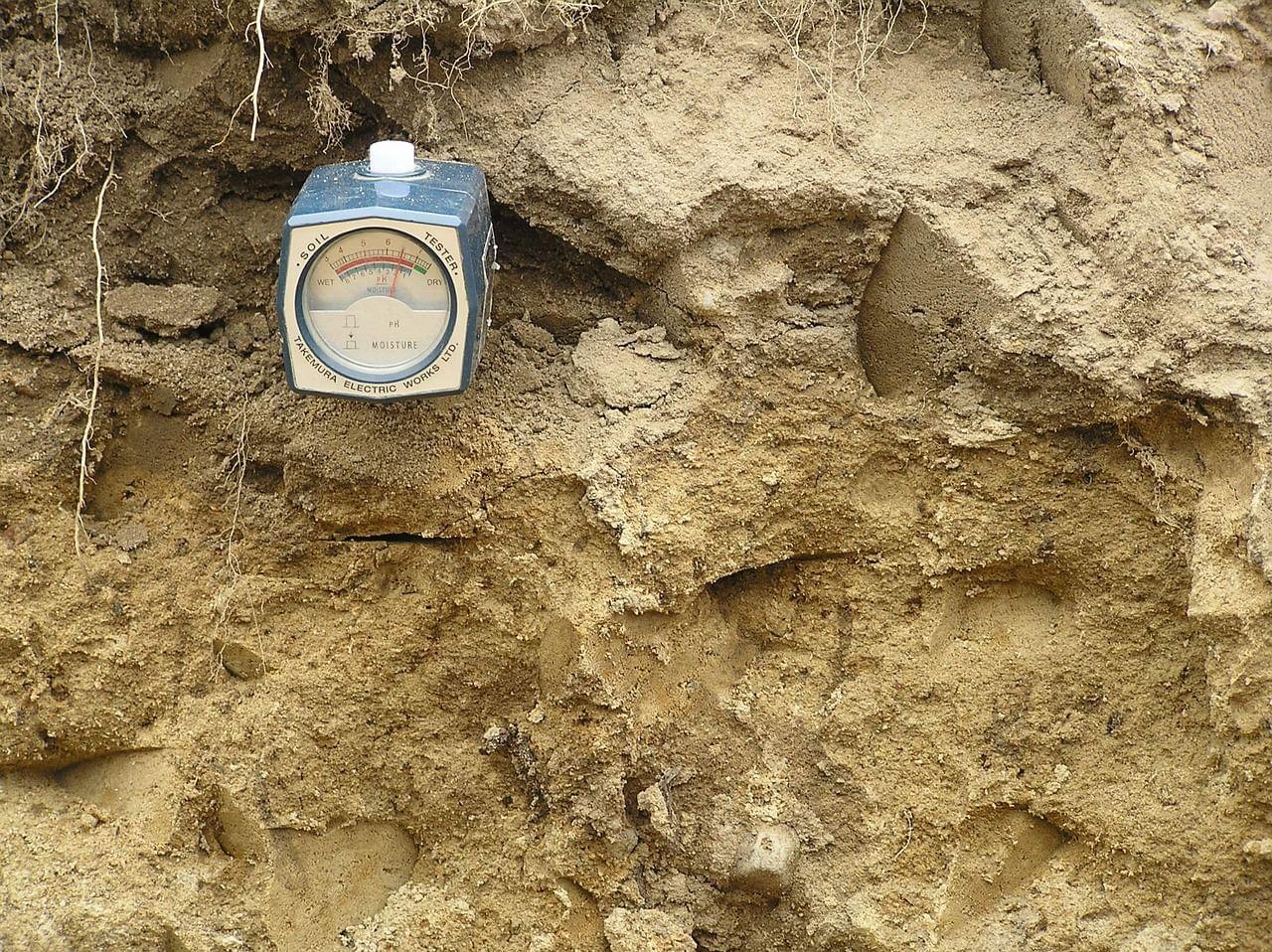
Digital soil pH meters provide quick readings of soil pH value and are commonly used for field monitoring.
Testing soil regularly helps maintain the correct soil pH range for crop growth.
How Can Farmers Improve Soil pH?
If the soil pH value is outside the ideal range, farmers can take steps to correct it.
For Acidic Soil
- Apply agricultural lime to increase soil pH
- Add organic matter such as compost or farmyard manure
- Improve soil drainage
For Alkaline Soil
- Apply gypsum to reduce soil alkalinity
- Use organic matter to improve soil structure
- Grow crops tolerant to alkaline conditions
Managing soil acidity and alkalinity properly helps maintain the correct soil ph for plant growth.
Quick Tips for Farmers to Maintain Ideal Soil pH
Maintaining the right soil pH is important for healthy crops and better yields. Farmers can follow a few simple practices to maintain the correct soil pH value.
Test Soil Regularly
Regular soil pH testing helps farmers monitor soil conditions and take corrective actions.
Add Organic Matter
Applying compost or farmyard manure helps improve soil structure and maintain balanced soil acidity and alkalinity.
Use Lime or Gypsum When Needed
Applying lime to acidic soil or gypsum to alkaline soil helps maintain the correct soil ph range for crop growth.
Following these practices helps farmers improve soil ph for plant growth and maintain healthy soil.
Conclusion
Maintaining the correct soil pH is essential for successful crop production. The importance of soil ph lies in its ability to influence nutrient availability, microbial activity, and plant growth.
By regularly performing soil ph testing, farmers can monitor the soil ph value of their fields and take appropriate steps to maintain the ideal soil ph range. Proper soil pH management improves nutrient absorption, promotes healthy crop growth, and increases overall farm productivity.
Farmers who focus on maintaining the correct soil ph for plant growth can achieve better yields and improve long-term soil fertility.
Frequently Asked Questions
What is soil pH in agriculture?
Soil pH in agriculture refers to the level of acidity or alkalinity of soil. It affects nutrient availability and crop growth.
Why is soil pH important for crop growth?
The importance of soil pH lies in its effect on nutrient absorption, microbial activity, and overall plant health.
What is the ideal soil pH range for crops?
Most crops grow best within a soil pH range of 6.0 to 7.5.
How can farmers test soil pH?
Farmers can perform soil pH testing through laboratory testing, soil testing kits, or digital pH meters.
How does soil pH affect plant growth?
The soil pH value affects nutrient availability in soil, which directly influences crop growth and productivity.