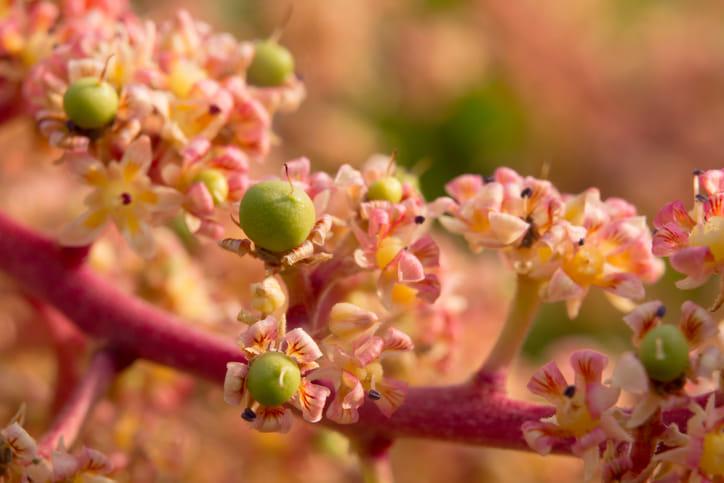
Strong flowering and good fruit set decide the final yield in most crops. Many farmers see plants with lots of flowers, but most flowers drop before becoming fruit. This is usually due to a mix of nutritional, environmental, and management issues. The good news is that almost all of them can be corrected with simple, timely steps.
Why Flowers and Fruits Drop in Crops
- Nutrient deficiencies, especially boron, zinc, and potassium.
- Imbalanced nitrogen — too much encourages leaves over flowers.
- Water stress or waterlogging at flowering stage.
- Heat, cold, or strong wind during pollination.
- Poor pollination due to low bee activity or pesticide spray during flowering.
- Sucking pests and viral diseases reducing plant vigour.
- Hormonal imbalance and crowded canopy with poor light penetration.
1. Balance Nitrogen With Phosphorus and Potassium
Excess nitrogen produces lush green growth and delays flowering. As the crop approaches the bud stage, reduce nitrogen and increase phosphorus and potassium. Phosphorus supports flower initiation; potassium improves flower retention and fruit quality.
2. Use the Right Micronutrients
Boron
Boron deficiency causes flower drop, hollow stem, and poor fruit set, especially in tomato, chilli, cotton, cauliflower, mustard, mango, and citrus.
Solution: Apply borax 4 to 8 kg per acre in soil before flowering, or foliar spray of 0.1 to 0.2 percent borax / Solubor at flower initiation and 10 to 15 days later. Follow product label for crop-specific dose.
Zinc
Zinc is essential for hormone production and flower development. Spray zinc sulphate at 0.5 percent if deficiency symptoms appear, or apply 10 to 25 kg per acre once in 2 to 3 years.
Calcium
Calcium reduces fruit cracking and blossom end rot in tomato and capsicum. Apply calcium nitrate or foliar calcium during fruit development.
3. Ensure Adequate Water at Flowering
Flowering is the most water-sensitive stage in most crops. Water stress at this point causes massive flower drop. At the same time, waterlogging suffocates roots and gives the same result. Use these tips:
- Light, frequent irrigation at flowering rather than heavy floods.
- Drip irrigation for vegetables and orchards keeps moisture uniform.
- Mulching reduces water stress and soil temperature.
- Drain off excess water within 24 hours during heavy rain.
4. Protect Pollinators
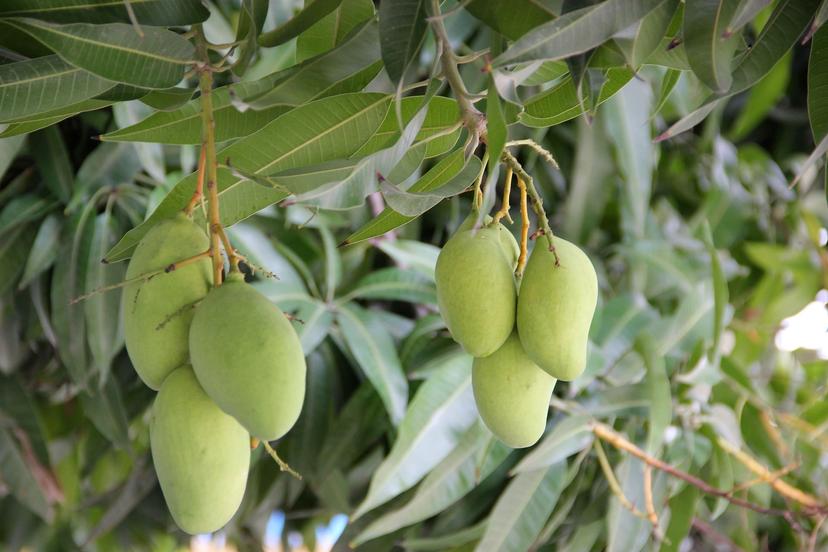
Bees and other pollinators are critical for crops like mustard, sunflower, mango, cotton, cucurbits, and pulses. Poor pollination leads to poor fruit set.
- Avoid insecticide sprays during flowering, especially in the morning.
- If a spray is unavoidable, use bee-safer products and spray in late evening.
- Provide flowering border crops (marigold, sunflower) to attract bees.
- Place bee hives in orchards and oilseed crops during flowering.
5. Manage Sucking Pests and Diseases Early
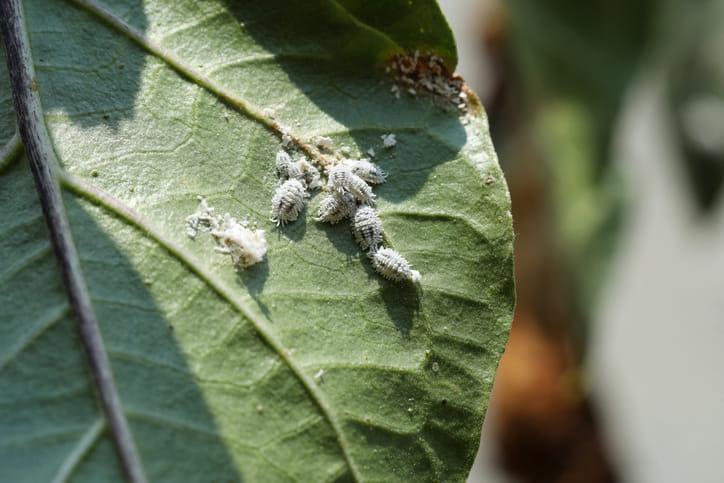
Aphids, thrips, jassids, whiteflies, and mites weaken plants and reduce flowering. Diseases like powdery mildew, blights, and leaf curl viruses also damage the flowering stage. Monitor weekly and act early with neem-based sprays or recommended insecticides above ETL, always following label instructions.
6. Use Plant Growth Regulators (PGRs) Carefully
Approved PGRs can help in specific crops when used correctly:
- NAA (Naphthalene Acetic Acid) at 20 to 40 ppm: reduces flower and fruit drop in cotton, mango, citrus, chilli.
- GA3 (Gibberellic Acid) at 5 to 20 ppm: improves bunch size and berry setting in grapes; varies by crop.
- Salicylic acid sprays: help in heat tolerance in some crops.
Use PGRs only at the recommended dose and stage. Overdose causes deformed flowers or yield loss. Always follow label and consult your local KVK or agronomist.
7. Maintain Plant Canopy and Light Penetration
- Follow recommended plant spacing to avoid overcrowding.
- Prune lower and weak branches in tomato, chilli, brinjal, and orchards.
- Remove suckers in cotton and tomato for better air and light.
- Train climbing vegetables on stakes or nets.
8. Foliar Spray Schedule for Better Flowering (General Guide)
Stage | Recommended Foliar Spray |
|---|---|
Pre-flowering (vegetative) | 0.5 percent 19:19:19 NPK + 0.5 percent zinc sulphate |
Flower initiation | 0.1 to 0.2 percent borax (Solubor) + 0.5 percent 0:52:34 (MAP) |
Full bloom | 0.5 percent 0:0:50 (SOP) + calcium nitrate (in fruiting vegetables) |
Fruit development | 0.5 percent 13:0:45 + micronutrient mix as per crop |
Doses are general guides. Adjust based on crop, soil test, and product label.
Conclusion
Improving flowering and fruit set is not about one spray or one fertilizer. It is the result of balanced nutrition, careful water management, pest control, pollinator protection, and good canopy management. Plan these steps from the bud stage onwards, follow label instructions on all inputs, and consult your local agriculture extension officer or KVK for crop-specific recommendations.