How to Control Mango Mealybug Before Flowering Season Begins
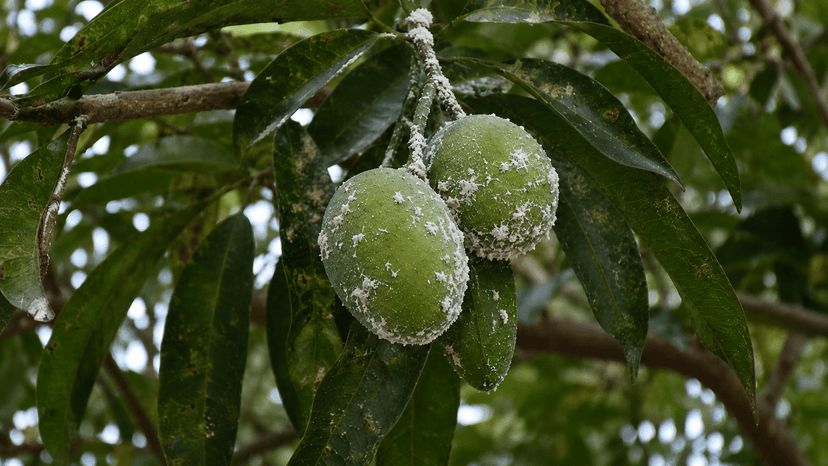
IntroductionMango mealybug (Rastrococcus iceryoides) is a major insect pest of mango and other fruit crops across India. This small, soft-bodied insect feeds on plant sap, weakening mango trees and reducing their fruiting potential. More than just a direct feeder, mealybugs are vectors of serious viral diseases, particularly mango leaf hopper-transmitted virus. Infestations of mealybug can cause 30-50% yield loss, but the critical window for control is well before flowering begins. Once flowering starts, broad-spectrum insecticide sprays are not suitable because they kill pollinating insects essential for fruit set. This creates an urgent need to control mealybug populations during the pre-flowering period (August-September in most mango-growing regions) to prevent heavy infestations during flowering. Early detection and biological control methods are key to managing this pest without resorting to broad-spectrum chemicals during critical flowering period. This comprehensive guide will help you identify mealybug infestations early and implement effective IPM strategies to control populations before flowering season begins.What is Mango Mealybug?Mango mealybug is a soft-bodied homopteran insect with a sucking mouth-part. Adult mealybugs are small (2-3 mm), covered with a white, waxy coating, and are typically found on new growth, twigs, leaves, and fruit surfaces. Females can reproduce without mating (parthenogenesis), allowing rapid population buildup. The insect has multiple generations per year (4-6 in favorable conditions), leading to exponential population growth if unchecked. Mealybugs feed on plant sap, injecting toxic saliva that causes plant tissue damage and necrosis. Beyond direct damage, mealybugs secrete honeydew that promotes sooty mold growth, further reducing plant vigor. More critically, mealybugs transmit viral diseases that can permanently damage or kill affected branches.Symptoms and SignsLearn to identify mango mealybug infestation:Visible insects: Small, white, cottony masses on new shoots, leaf axils, and petioles—these are mealybugs with waxy coveringLeaf yellowing: Affected leaves turn yellow and may drop; plant vigor declines noticeablyStunted growth: New shoots develop slowly; internodes become shorter than normalSooty mold: Black, sooty coating appears on leaves and fruits due to mold growing on mealybug honeydewFruit damage: Infested fruits show sticky residue; quality is reduced and fruits are unmarketableBranch dieback: Severe infestations cause necrosis; branches may die back, especially young shootsHoneydew residue: Sticky, transparent coating appears on leaves and twigs; ants attracted to honeydewViral symptoms: In severe cases, viral infection transmitted by mealybugs causes mosaic, mottling, or severe leaf deformationWhole tree appearance: Canopy appears sparse, stunted; overall tree vigor is severely compromisedYield loss: Reduced flowering due to tree stress; even with flowers, poor fruit set and small fruit size Farmer Tip: Look for white, cottony masses on new twigs and leaf axils, especially during monsoon. Use a hand lens if needed. Check the undersides of leaves—mealybugs often congregate there. Early detection means easier, cheaper control. Favorable ConditionsThese conditions promote mealybug population buildup:Warm temperature (20-30°C) and high humidity favor rapid reproductionLush, new vegetative growth provides ideal feeding sites and shelter for mealybugsExcess nitrogen fertilization promotes soft, succulent new growth attractive to mealybugsDense canopy with poor air circulation protects mealybugs from natural enemies and UV exposureLack of natural enemies: When parasitoids and predators are absent or killed by broad-spectrum sprays, mealybug populations explodeShade: Mealybugs thrive in reduced light; shaded trees have higher populationsMono-cropping or poor orchard hygiene: Without neighboring predatory insects, mealybugs face no natural control Preventive MeasuresPrevention is far cheaper and easier than treating high-population infestations:Regular monitoring: Scout orchards at least bi-weekly during monsoon season (June-October) for early infestationsBalanced fertilization: Avoid excess nitrogen; follow recommended NPK (8:8:8 or soil test recommendation)Pruning for air circulation: Open up canopy to reduce humidity and improve light penetrationRemove wild host plants: Eliminate nearby trees or weeds that harbor mealybug populationsField sanitation: Remove infested twigs and shoots manually; destroy them immediatelyQuarantine new trees: Inspect saplings from nurseries before planting; reject infested stockConserve natural enemies: Avoid broad-spectrum insecticides that kill parasitoids and predatorsControl ants: Ants farm mealybugs for honeydew. Control ants to reduce mealybug populations Management PracticesIPM approach combining mechanical, biological, and chemical methods gives best results. Critical principle: control mealybug BEFORE flowering season begins.Mechanical ControlNon-chemical methods that can be highly effective if applied early:Manual removal: Pick off infested twigs and shoots; destroy them in a bag away from treePruning: Remove heavily infested branches; this also improves tree vigorSpray water: Strong water spray can wash off mealybugs; repeat every 3-4 daysAnt control: Use sticky bands on tree trunk to prevent ants from farming mealybugs Biological ControlBiological control agents are most effective when mealybug populations are still low:Product NameTechnical ContentDosageNeem Oil 3% ECCold-pressed neem oil 3% w/v5% solution (50 ml/L)Spinosad 45% SCSpinosad 45% w/v0.5 ml/L waterBeauveria bassiana WPBeauveria bassiana 1 × 10⁹ spores/g5-10 g/L waterChrysoperla carnea (Lacewing parasitoid)Parasitoid wasp 2000-5000/haUse as per lab guidancePseudomonas fluorescensPseudomonas fluorescens 1 × 10⁸ CFU/ml10 ml/L water Chemical ControlUse chemicals only when other methods are insufficient and before flowering begins:Product NameTechnical ContentDosageImidacloprid 17.8% SLImidacloprid 17.8% w/v0.5 ml/L waterThiamethoxam 25% WGThiamethoxam 25% w/w1 g/L waterDichlorvos 76% ECDichlorvos 76% w/v1.2 ml/L waterChlorpyrifos 20% ECChlorpyrifos 20% w/v2 ml/L waterFipronil 5% SCFipronil 5% w/v1.5 ml/L water CRITICAL: Stop ALL chemical sprays at least 4 weeks before flowering begins. Broad-spectrum insecticides kill pollinators essential for fruit set. Focus on pre-flowering control. Best Time to Take ActionMonsoon monitoring: Scout intensively from June onwards when mealybugs start appearingEarly scouting: Bi-weekly inspections catch infestations before they explodeAugust-September action: This is the critical window for control—before flowering in October-NovemberBiological control: Apply early in season when populations are still manageable; parasitoids work best thenChemical control: Only if biological control insufficient; must finish all sprays 4 weeks before flowering Common Mistakes Farmers Should AvoidNot scouting during monsoon: Mealybug populations build up quickly if you're not monitoringWaiting too long to treat: Large infestations are much harder to control than small onesSpraying during flowering: This kills pollinators and actually reduces fruit set more than mealybug wouldUsing broad-spectrum chemicals: These kill natural enemies. Use selective chemicals or biologicals earlyOver-fertilizing with nitrogen: This promotes soft growth that mealybugs preferIgnoring ants: Ants protect mealybugs from natural enemies. Control ants to suppress mealybugs ConclusionMango mealybug is a serious threat to mango productivity, but it is entirely manageable with early detection and timely action. The critical insight is that control must happen BEFORE flowering season begins—once flowering starts, you cannot use broad-spectrum chemicals without killing the very pollinating insects your crop depends on. Therefore, begin scouting in June, catch infestations early when populations are small and manageable, and use manual removal and biological control agents before resorting to chemicals. If chemical control becomes necessary, complete all applications by late August so that natural recovery of pollinator populations occurs before October-November flowering. By maintaining vigilant monitoring throughout the monsoon season, implementing preventive measures like balanced nutrition and canopy pruning, and using selective biological controls, you can keep mealybug populations suppressed and protect both your flowering success and fruit quality. With commitment to early-season mealybug management, your mango trees will enter the critical flowering period healthy and mealybug-free, ensuring excellent fruit set and a bountiful harvest.Note: The information contained herein is for informational purposes only. Nothing herein shall be construed to be financial or legal advice. Viewers are advised to do their own research before making any decisions.