

Introduction
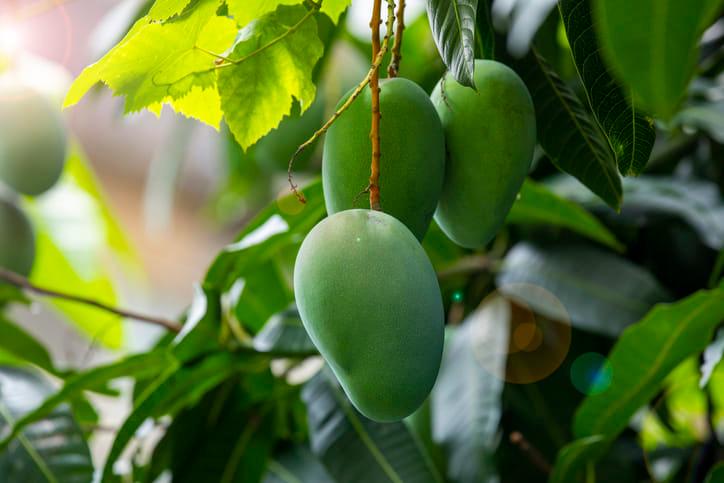
Mango, known as the 'king of fruits' and highly valued in Indian agriculture, is grown extensively across the country in states like Karnataka, Andhra Pradesh, Uttar Pradesh, Rajasthan, and Tamil Nadu. A mature mango tree can produce 200-400 fruits annually, but this potential is often unrealized due to pre-harvest fruit drop. Mango fruit drop—the premature shedding of fruits from the tree before maturity and harvest—is one of the most serious production constraints for mango farmers. Losses from fruit drop can range from 30% to complete crop failure in severe years, translating to devastating economic losses. The frustrating reality is that fruit drop has multiple causes: nutritional deficiency, erratic weather, poor pollination, pest damage, and disease. This comprehensive guide examines each cause of mango fruit drop and provides you with practical, proven strategies to minimize losses and ensure a full, healthy harvest.
What is Mango Fruit Drop?
Mango fruit drop is the premature shedding of developing fruits at any stage from flower bud to pre-harvest maturity. While some natural fruit drop is normal (trees naturally shed excess fruit to prevent branch breakage), excessive drop—more than 5-10% of set fruit—indicates an underlying problem requiring intervention. Fruit drop typically occurs at three critical stages: pre-flowering drop (flower buds shed), flowering drop (flowers fall), and fruit drop (young fruits fall within weeks of fruit set).
The causes are diverse: deficiency of zinc, boron, or other micronutrients; sudden temperature fluctuations; drought stress; excessive rain or humidity; poor pollination; and pest or disease attacks. Because causes vary, your diagnosis of what's causing drop on your tree is essential for implementing the right solution. A single approach won't work for all trees if different problems are causing the drop.
Symptoms and Signs of Fruit Drop
Learn to identify the type of fruit drop occurring on your mango tree:
- Flower bud drop: Unopened buds fall from tree, leaving branch tips bare
- Flower drop: Blooms open but fall within days, no fruit sets at all
- Young fruit drop: Marble-to-lemon-sized fruits fall 3-8 weeks after fruit set
- Mature fruit drop: Nearly mature fruits fall 2-4 weeks before normal harvest period
- Drop associated with leafy growth: If tree is growing excessive leaves instead of fruits, zinc or boron deficiency may cause drop
- Drop after rain or temperature fluctuation: If drop increases after weather stress events, stress-related causes are likely
- Drop with visible fruit rot or insect damage: If fallen fruits show fungal growth or insect holes, disease or pest is involved
- Whole tree appearance: Some branches heavily loaded with fruit, other branches bare, indicating uneven flowering or drop
- Yield impact: 30-100% fruit loss depending on severity and timing of drop
Farmer Tip: Monitor your tree weekly from flowering through fruit maturation. Observe which stage drop occurs at (bud, flower, young fruit, or mature fruit) and whether it follows weather events or appears related to tree nutrition. This observation guides your diagnostic process.
Favorable Conditions for Fruit Drop
Multiple environmental and nutritional stresses increase mango fruit drop:
- Zinc deficiency: One of the most common causes; low zinc reduces pollination success and fruit set
- Boron deficiency: Essential for fruit development; deficiency causes flower abortion and young fruit drop
- Magnesium or potassium deficiency: Weakens fruit retention ability
- Sudden temperature fluctuations: Unexpected heat waves or cold spells cause flower and fruit drop
- Drought stress followed by heavy rain: Alternating stress conditions cause abscission
- Waterlogging: Excess moisture in flowering and fruit development stage increases drop
- Poor pollination: Lack of pollinating insects (bees, flies) or rainy weather during flowering prevents proper fruit set
- Fruit fly or mango hopper damage: Insect feeding on flowers and young fruits causes drop
- Anthracnose or powdery mildew: Fungal diseases damage flowers and young fruits
- Excessive nitrogen: Over-fertilization promotes leaf growth at the expense of fruit
- Poor tree health: Trees weakened by previous high crop loads or pest/disease stress drop more fruit
Preventive Measures
Preventing fruit drop is far easier than trying to recover lost yield:
- Soil testing: Conduct soil and leaf tissue tests annually to identify micronutrient deficiencies before they cause drop
- Micronutrient management: Apply zinc, boron, and magnesium according to test recommendations. Zinc deficiency correction is particularly critical.
- Balanced fertilization: Apply recommended NPK (8:8:8 or based on soil test) to maintain tree vigor without promoting excess vegetative growth
- Consistent irrigation: Provide regular, adequate water during flowering and fruit development. Avoid both water stress and waterlogging.
- Proper pruning: Remove dead wood and crossing branches, but don't over-prune, which weakens the tree
- Promote pollination: Avoid insecticides during flowering that kill pollinating insects. Preserve diverse pollinator populations.
- Regular scouting: Monitor for pests and diseases during flowering and fruit development stages
- Mulching: Apply organic mulch (10 cm) around tree base to moderate soil temperature and moisture
- Maintain tree health: Alternate bearing (one heavy crop year followed by light year) is normal; don't force heavy crops every year
Management Practices
Integrated approach to managing mango fruit drop requires combining nutrition, pest management, and environmental control:
Nutritional Management
Apply these micronutrients to prevent drop caused by deficiency:
Product Name | Technical Content | Dosage |
Zinc Sulphate | Zinc sulphate 21% Zn | 500 g-1 kg/tree, soil application |
Borax | Borax 11% Boron | 500 g-1 kg/tree, or 1-2 g/L foliar |
Magnesium Sulphate (Epsom Salt) | Magnesium sulphate 10% Mg | 250 g/tree, or 5 g/L foliar spray |
Copper Sulphate | Copper sulphate 25% Cu | 250-500 g/tree soil, 1-2 g/L foliar |
Potassium Nitrate | Potassium nitrate 46% K | Use as per label, foliar or soil |
Apply zinc during post-harvest period (June-July) and maintain application annually. Apply boron 2-3 weeks before flowering.
Biological and Chemical Control for Pests
If fruit drop is due to pest damage, use these products:
Product Name | Technical Content | Dosage |
Neem Oil 3% EC | Cold-pressed neem oil 3% w/v | 5% solution (50 ml/L water) |
Spinosad | Spinosad 45% SC | 0.5 ml/L water |
Imidacloprid 17.8% SL | Imidacloprid 17.8% w/v | 0.5 ml/L water |
Beauveria bassiana WP | Beauveria bassiana 1 × 10⁹ spores/g | 5-10 g/L water |
Copper Oxide 50% WP (fungicide) | Copper oxide 50% w/w | 3 g/L water |
Safety Tip: Never spray insecticides during the flowering period, as this kills pollinating insects essential for fruit set. Spray only after flowering is complete if pest damage is severe.
Best Time to Take Action
- Off-season (June-July): Apply micronutrient corrections and maintain tree health
- Pre-flowering (August-September): Ensure tree is healthy and apply boron 2-3 weeks before flowering
- During flowering and fruit development: Monitor for pests and diseases; avoid broad-spectrum insecticides
- Post-flowering (if fruit drop occurs): Scout for pest damage and treat with appropriate biological or chemical products
- Throughout development: Maintain consistent irrigation and monitor for weather stress
Common Mistakes Farmers Should Avoid
- Not testing soil for micronutrients: Zinc and boron deficiencies cause the majority of preventable fruit drop. Get tested before symptoms appear.
- Over-fertilizing with nitrogen: Excess nitrogen promotes leaf growth and reduces fruit set and retention.
- Spraying insecticides during flowering: This kills pollinators and reduces fruit set, the root cause of drop.
- Ignoring irrigation needs during flowering: Trees under water stress during flowering drop flowers and fruit extensively.
- Waiting too long to treat pest/disease problems: Early intervention when few fruits are affected is more effective than treating widespread drop.
- Pushing heavy crops every year: Trees alternate between heavy and light crop years naturally. Forcing heavy crops stresses tree and increases next year's drop.
Conclusion
Mango fruit drop is a complex problem with multiple contributing causes, but it is largely preventable through a combination of proper nutrition, pest management, and environmental control. The most important first step is getting a soil and leaf tissue test to identify micronutrient deficiencies, particularly zinc and boron, which are often the root cause of fruit drop. Once you understand your tree's nutritional status, you can apply targeted micronutrient correction starting in the off-season. During the flowering and fruit development period, maintain consistent irrigation, avoid spraying broad-spectrum insecticides that kill pollinators, and monitor regularly for pests and diseases. When fruit drop does occur, scout immediately to diagnose the cause—is it pest damage, disease, or environmental stress?—and implement the appropriate solution. Remember that preventing fruit drop is far cheaper than trying to recover from a failed crop. With commitment to year-round tree health management, including timely micronutrient application, proper irrigation, and integrated pest and disease management, your mango trees will reliably produce full, healthy crops year after year, ensuring stable income and food security for your family.
Note: The information contained herein is for informational purposes only. Nothing herein shall be construed to be financial or legal advice. Viewers are advised to do their own research before making any decisions.