Introduction
Sucking pests like thrips, aphids, whiteflies, and leafhoppers are the major pests of vegetable crops to cause huge damage to the crop in terms of yield and quality. These tiny insects hide under the leaves and flowers, and feed on them aggressively. The damage caused by these tiny insects is very significant. The average yield loss caused by these pests is 30-40% in general for all the vegetable crops while the crop specific damage may vary from 25-30%. Severe attacks may result in total crop loss for the season. Moreover, these insects can increase the cost of production due to increased use of pest control chemicals, which could be expensive. Hence, it is very important to manage these insect pests in a cost-effective way without interfering with the safety of other beneficial insects and the environment. In this article, let’s learn about the early identification of pests through visual damage symptoms, conditions that favour the attacks, and proper management practices to safeguard your vegetable crops from these tiny monsters.
Damage Symptoms of Sucking pests
Sucking insects are of many kinds and every type will result in different kinds of damage symptoms. Below are the visual damage symptoms at field level.
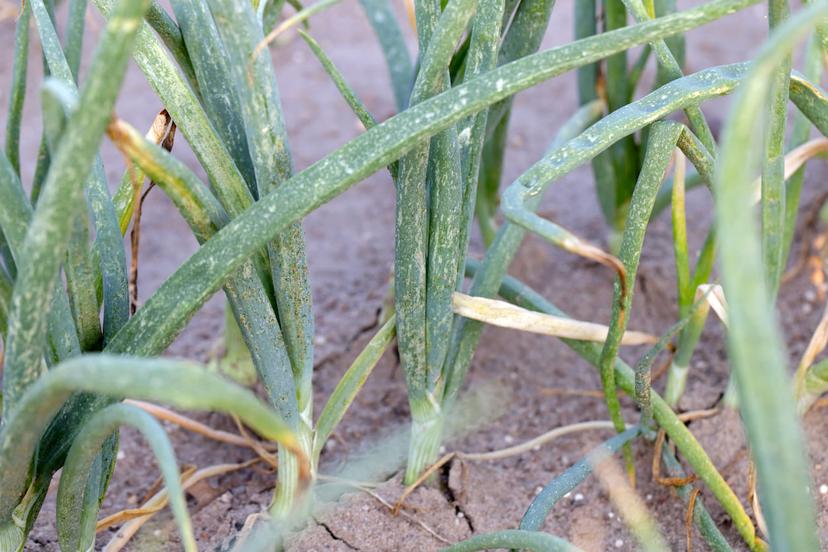
- Thrips: Thrips are slender shaped insects with sucking type of mouth parts. They feed on the plant sap. As a result, the young leaves appear brittle and dull. Some plants like chilli show white silvery streaks because of thrips feeding on them. As a result of thrips attack, leaves start curling inwards. Thrips also feed on flowers which turn brown and eventually shed. Fruits exhibit silver patches, fruit deformation, and some rough canker-like growth on them. Both larval and adult stages of thrips are dangerous to crops.
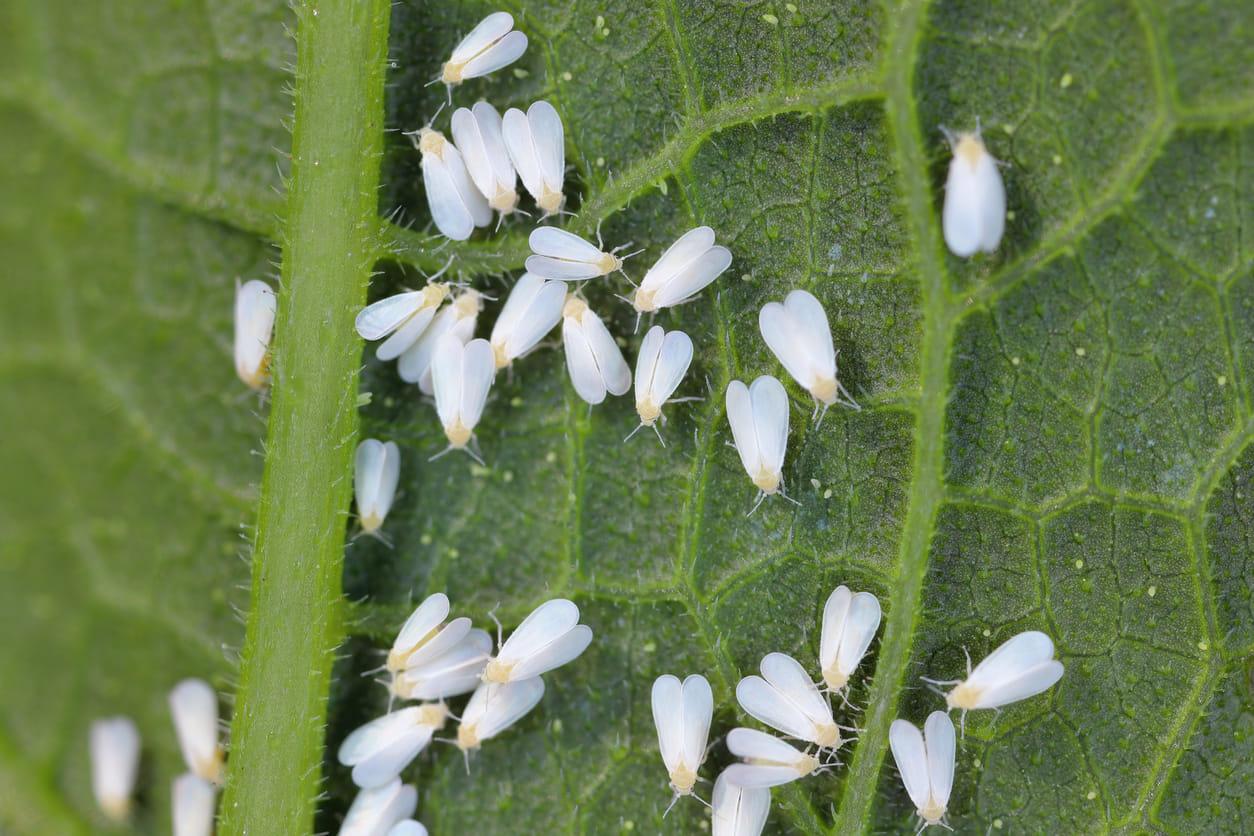
- Whiteflies: These are small, winged insects that get attracted to lush green foliage and damage the host crop. Whiteflies usually suck the sap from the tender leaves giving them pale appearance. Excessive feeding may turn the leaves chlorotic and eventually result in leaf shedding.
- Aphids: Many kinds of aphids are known to damage vegetable crops. These tiny insects are of varying colors. They attack young leaves and they feed on the plant sap because of which, leaves start curling and crinkling. Both larval and adult stages of aphids are damaging to crops.
- Leafhoppers: Also known as jassids, are the wedge-shaped tiny insects which suck the sap from young, tender leaves. This results in yellowing of leaf margin which grows towards the centre. Severe feeding leads to hopper-burn symptoms which is reddening/bronzing of the leaf margins.
- Mites: Mites are non-insect pests which also cause significant yield loss to vegetable growers. There are different types of mites known to damage the crops. Leaves start showing small yellow-red spots which later turn bronze or grey leading to leaf shedding.
- Apart from sucking plant sap, these insects also act as carriers of virus. They carry virus from an infected plant to a healthy plant and thus spread the virus across the crops. Viral diseases may result in total crop loss if not managed properly.
Favorable Conditions
- Warm and dry weather conditions favour the spread of whiteflies and mites while humid and cloudy weather favour the spread of insects like jassids, aphids, etc.
- Excess use of nitrogenous fertilizers encourages vigorous growth of the canopy which attracts these sucking insects.
Sucking Pests Preventive Measures
- Use of varieties or hybrids developed to resist sucking pest damage or withstand the damage.
- Clean fields always make a path for pest free crops and quality yields. Keep your farm free from weeds and plant debris from previous seasons.
- Grow border crops like cereal crops at the borders. These border crops act as barriers to stop sucking pests moving to your farm. 5 lines of border crops can help prevent transmission.
- Trap crops: grow alternate host plants like marigold between the lines to distract these sucking insects from damaging the main crop.
- Avoid overhead irrigation
- Avoid use of excess nitrogenous fertilizers
- Maintain proper spacing between the plants and rows to allow enough penetration of sunlight and fresh air, which reduces the risk of humidity buildup.
Sucking Pest Management Practices
Cultural practices/ Mechanical control
- Install sticky traps like blue, yellow, and white sticky traps depending on the type of sucking insect. Blue traps are for thrips and leafhoppers; yellow traps are for aphids, whiteflies, thrips, and leafhoppers while white sticky traps are for some aphids.
- Use of water at moderate pressure level to wash away the insects
- Handpicking and destroying the damaged plant parts during initial stage of insect attack. In case of viral transmission, uproot and burn the infected plants.
- Use nets to cover the crop, especially during nursery raising.
Biological control of Sucking Pest
- Encourage natural enemies like ladybird beetles, lacewing bugs, and parasitic wasps may help control the insect population.
- Release bio control agents like Beauveria bassiana, Verticillium lecanii, Isaria fumosorosea, Metarhizium anisopliae, etc.
Product name | Technical content | Dosage |
Beauveria Bassiana - (2x10^8) CFU. | 2.5-5 ml/L of water | |
Verticillium Lecanii 2.0% AS | 2-3 ml/L of water | |
Azadirachtin | 3-5 ml/L of water | |
Verticillium Lecanii + Beauveria Bassiana + Metarhizium Anisopliae | 1-2 ml/L of water |
Sucking Pests Chemical control
Product Name | Technical content | Dosage |
Acetamiprid 20% SP | 0.25ml/L of water | |
Thiamethoxam 12.6% + Lambda-cyhalothrin 9.5% ZC | 0.25-0.3 ml/L of water | |
Imidacloprid 200 SL (17.8 % w/w) | 0.5-1 ml/L of water | |
Dimethoate 30% EC | 1-2 ml/L of water | |
Thiamethoxam 25% WG | 0.2-0.4 g/L of water |
Conclusion
Vegetable crops every year face major threats from sucking insects during peak growing seasons. These tiny insects have been tough on crops feeding on their sap and reducing their vigour. Sucking pest damage during flowering and fruit development stage until maturity pose a huge risk of reduced market value to the commodity. Early detection of pest damage symptoms and following preventive measures keep your farms pest free can be helpful in reaping bigger harvests. Once the pest attack is spotted, plant of action including clean cultivation, field sanitation, release of bio control agents that parasitize and prey on these sucking insects along with chemical control methods will help vegetable growers escape the danger of crop loss or economic loss. By taking a proactive approach, farmers can safeguard their crops, protect yields, and minimize the financial losses caused by these hidden invaders.