








blogsHomeHeroBanner

Latest Articles

Image

Tapas VitaInject - Game-Changing Growth Support for Every Farmer

yamini

-

13 April 2026

Every IPL Team Has a Match Winner…Now Every Farm Can Have One TooWhen we watch IPL, one thing is clear…Every team has that one player.The player who changes the game.The player who handles pressure.The player who delivers when it matters the most.Sometimes it’s Dhoni finishing the match - Thala for a reason.Sometimes it’s a bowler taking a crucial wicket.And the whole stadium cheers…because they trust that player.But Think About This…In your farm…Weather is unpredictableFlower drop happens suddenlyPlants look weak even after good careAnd at that moment, every farmer needs one strong support system.Just like a match-winning player.Meet TAPAS VitaInject by BigHaat - The Match Winner for Your Crops Just like that IPL player who stands strong in tough situations…TAPAS VitaInject, the growth regulator works the same way for your crops.It is not just a product.It is a growth hormone, stress reliever, and immunity booster all in one.And farmers across the country are already trusting it…just like fans trust their favorite player.Why Farmers Are Calling It a Game-Changer?Imagine your crop getting support at every stage…Strong Roots = Strong StartVitaInject improves root development so plants can absorb more water and nutrients easily.Better Branching = More GrowthIt promotes secondary and tertiary branches, giving your crop a fuller and healthier structure.More Flowers, Less DropHelps in flower formation and retention, reducing flower drop and increasing chances of fruiting.Better Fruit SettingImproves pollination and fruit development, leading to uniform and better-quality produce.What Makes VitaInject So Powerful?It works like a smart system inside the plant:Salicylic Acid (2%) - Activates plant immunity (like a warning system)Cytokinins (0.036%) - Boosts cell division, branching, and floweringVitamin B3 (3.75%) - Acts like energy supply for plant growthTogether, they help plants: ✔ Handle stress (heat, drought, salinity) ✔ Stay green and active for longerThala for a Reason… VitaInject for a ReasonJust like Dhoni stays calm and finishes the match…Tapas VitaInject supports your crop in every critical stage:Vegetative stage - Better structureBud stage - Strong flower developmentFlowering - Less drop, more retentionFruit stage - Better size and qualityThat’s why farmers are starting to say:This product is there for a reason.Simple to Use, Easy to Trust Just 10 ml per acre (mixed in 150–200 liters water)Can be applied via spray or drip irrigationSuitable for all crops - vegetables, fruits, field crops, plantationsReal Strength: Works Even in Tough Conditions Whether it’s:High temperature Water stress VitaInject helps plants recover faster and stay strong.A Message to FarmersIn IPL, players give their best…And the crowd cheers for them.Now it’s your turn.Take a chance with Tapas VitaInject…!Let us support your crop’s growth.Let VitaInject be that match winner in your field. Final Thought Farming is not easy.It needs patience, effort, and the right support.And sometimes…One right decision can change the entire result, why can’t the decision be VitaInject?Remember: Every IPL team has a match winner…Now your farm can have one too.TAPAS VitaInject - Truly, for a reason.
Image

Why Organic Farming is the Future of Indian Agriculture?

yamini

-

05 March 2026

Key Highlights Organic farming in India is growing rapidly, offering solutions for soil degradation, financial distress, and health issues. The benefits of organic farming practices include better soil health, reduced input costs, and a growing market for organic produce. Government policies and technological advancements are driving the shift towards sustainable agriculture in India. Farmers can benefit from organic farming methodsthrough cost-effective practices and access to premium markets. Why Organic Farming is the Future of Indian Agriculture? Organic farming is gaining momentum as the country faces challenges from conventional agricultural methods. These traditional farming practices have led to issues such as soil degradation, rising debt, and declining health. Organic farming provides a solution to all these issues by restoring soil health, improving economic viability, and meeting the demand for chemical-free produce. What are the Key Drivers of the Organic Farming transition? The shift towards organic farming techniques has driven several key factors that are transforming agriculture in India, such as: Restoration of Soil Health Organic farming techniques like crop rotation and composting help farmers to restore their soil health. Overuse of chemicals on agriculture field has impacted the soil negatively, such as depleting soil organic carbon by nearly 30% ions like Punjab. On the other hand, organic practices have encouraged microbial activity and improved water retention, making farms more climate resilient. Economic Viability for Small Land Holder Organic farming methods reduce the dependency on expensive chemical fertilizers, which is particularly beneficial for the 85% of Indian farmers who are small landholders. By switching to organic farming methods, farmers can lower their production costs and reduce the financial risk that leads to debt-related issues. Market Demand and High Pricing India is witnessing a surge in demand for organic farming. The organic food market in India is growing rapidly, driven by health-conscious consumers. Additionally, organic products are fetching a premium price in the global market, especially in the US and EU, where organic oil seeds, cotton, tea, and spices are in high demand. What are the benefits of Organic Farming in India? Organic farming in India not only improves the environment, but it also helps positively in health aspects and long-term economic benefits: Soil Health Organic farming restores soil health by increasing its organic carbon content, reducing the need for artificial fertilizers. Economic Stability By eliminating expensive chemical inputs, farmers reduce t costs and improvetehir long term income stability. Market Access Organic products attract higher prices, both domestically and internationally, which helps farmers earn more. How Can Organic Farming Practices Improve Agricultural Productivity? Below are the reasons why farmers should shift to organic farming: Using Organic fertilizers Organic farming leads to the use of organic fertilizers, which can enrich the soil naturally. By using compost and other organic materials, farmers improve the soil’s ability to retain water and nutrients, which boosts crop productivity over time. Pest Control in Organic Farming Pest control in organic farming relies on natural methods such as crop rotation, biological pest controlnd the use of natural pesticide methods ensure that crops are protected from pests without harming the environment. How Does the Government Support Organic Farming in India? The Indian government has been actively promoting sustainable agriculture in India through initiatives like: Paramparagat Krishi Vikas Yojana This program provides financial assistance for farmers to transition to organic farming. Mission Organic Value Chain Development Focuses on developing organic farming in North - Eastern India. These initiatives help farmers access organic farming certification and support with the financial resources needed to switch to organic practices. What are the Challenges of Organic Farming in India? Initial Transition Period While organic farming offers significant long-term benefits, the transition can be challenging. Farmers may experience lower yields during the first 2 - 3 years as the soil recovers and fertility is restored. However, these short-term challenges are outweighed by the long-term sustainability of organic farming. Limited Infrastructure for Organic Farming Currently, only 2% of India’s net sown area is certified organic, highlighting the need for better infrastructure, like cold storage and certification processes that are more affordable for small-scale farmers. Organic Farming for a Sustainable Future The future of organic farming in India is bright. With government support, technological advancements, and growing consumer demand for organic products, the sector is poised for rapid growth. By adopting organic farming methods, farmers can improve soil health, reduce costs, and increase yield while contributing to a healthier environment. Sustainable agriculture in India is not just about improving productivity, it’s about ensuring a resilient, profitable,a nd eco-friendly future for the next generation of farmers. Frequently Asked Questions 1. Why is organic farming gaining popularity in India? Organic farming is becoming popular in India due to growing consumer health awareness, government support, and the demand for chemical-free food. 2. What are the benefits of organic agriculture? The benefits of organic agriculture include improved soil health, reduced production costs, access to premium markets, and environmental sustainability. 3. What are the main organic farming techniques? Organic farming techniques include crop rotation, composting, biological pest control, and the use of organic fertilizers to maintain soil health. 4. How does organic farming contribute to sustainable agriculture in India? Sustainable agriculture in India is supported by organic farming through reduced chemical use, soil health restoration, and higher resilience to climate change. 5. How can technology improve organic farming practices? Technology like drones, AI, and blockchain is improving organic farming practices by enhancing pest control, nutrient monitoring, and traceability in the organic supply chain.

Top Picks

Latest News

News Image
Publisher Icon

Times Of India

| 13 April 2026

Price of kharif onions slumps 30% at Lasalgaon, hits one-year low | Nashik News - The Times of India

Nashik: The average wholesale price of late kharif onions at the Agriculture Produce Market Committee (APMC) in Lasalgaon dropped sharply by around 30.
News Image
Publisher Icon

News 18 India

| 11 April 2026

इस बीज को रजाई-कंबल में सुलाते हैं किसान, फिर करते बुवाई, तब जाकर होता मीठा फल

र्वी चंपारणः बिहार में खेती-किसानी के कई रंग देखने को मिलते हैं, लेकिन पूर्वी चंपारण के संग्रामपुर में तरबूज उगाने का तरीका सबसे निराला है. यहां के किसान तरबूज, जिसे स्थानीय भाषा में ‘लालमी’ कहते हैं, उसे उगाने के लिए किसी मशीन पर नहीं बल्कि अपने शरीर की गर्मी पर भरोसा करते हैं. कड़कड़ाती ठंड में जब लोग रजाई से बाहर नहीं निकलना चाहते, तब यहां के किसान तरबूज के बीजों को अपने साथ रजाई-कंबल में लेकर सोते हैं. सुनने में यह थोड़ा अजीब लग सकता है, लेकिन फसल की शुरुआत के लिए यह बेहद जरूरी प्रक्रिया है. https://hindi.news18.com/news/agriculture/sangrampur-farmers-germinate-seeds-in-quilts-to-grow-sweet-watermelons-local18-ws-l-10361089.html?utm_source=copy_share&utm_medium=clipboard&utm_campaign=clipnshare
News Image
Publisher Icon

Times Of India

| 11 April 2026

Punjab wheat procurement surges, shrugs off weather hit | Chandigarh News - The Times of India

Patiala: Punjab's wheat season remained affected by unseasonal rains, high-velocity winds and erratic temperature swings, even as grain arrivals at st.
News Image
Publisher Icon

Times Of India

| 11 April 2026

IFFCO launches nationwide campaign to promote nano fertilizers - The Times of India

India Business News: NEW DELHI: Indian Farmers Fertiliser Cooperative Limited (IFFCO) on Friday launched a nationwide campaign to promote and raise awareness about nano fe.

National Schemes
Diseases & Pests
Image

How to control black thrips in chilli?

yamini

-

03 March 2026

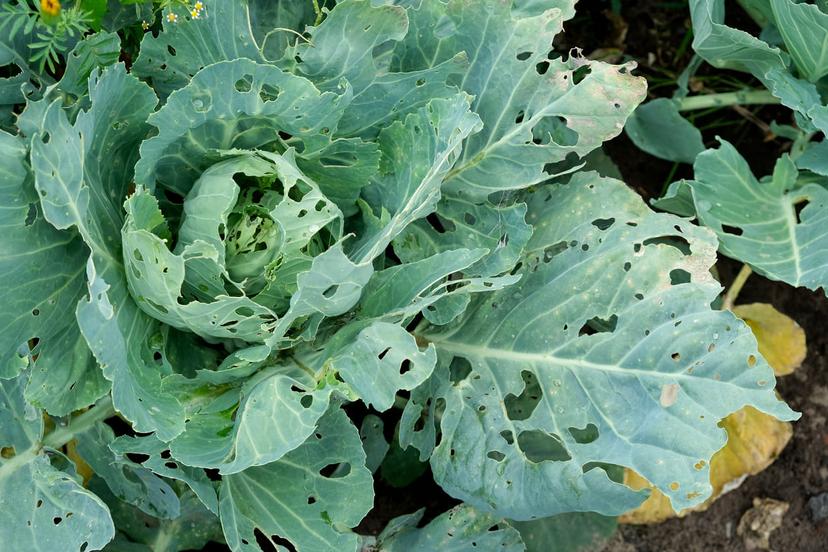
Black thrips in chilli is one of the most commonly discussed problems among chilli farmers, especially during dry and warm weather. Many growers notice sudden leaf curling, flower drop, or poor fruit setting and later realise that the real issue is black thrips in chilli fields. Understanding why the problem happens, how it develops, and what practical steps can reduce the damage is the key to sustainable control. This guide is written in simple, farmer-friendly English. It focuses on field observations, practical prevention steps, and safe management approaches, without making exaggerated claims or risky promises. What is black thrips? Black thrips are tiny, slender insects that usually stay hidden on the underside of leaves, flower buds, and tender shoots. Because of their small size, many farmers notice the damage first and the insect later. Chilli black thrips feed by scraping the leaf surface and sucking plant sap. Over time, this feeding style weakens the plant and disturbs normal growth. When black thrips are not managed early, the crop may show slow growth and reduced productivity. Thrips multiply quickly under favourable conditions, which is why regular field monitoring is extremely important. Why black thrips attack chilli crops Black thrips in chilli become more active when certain field conditions support their life cycle. Knowing these triggers helps in prevention. Common reasons for thrips build-up: Hot and dry climate with low rainfall Excessive use of nitrogen fertilisers Continuous chilli cropping in the same field Poor field sanitation and weed growth Lack of natural enemies due to repeated chemical sprays When these factors combine, black thrips in chilli can spread rapidly across the field. Chilli thrips damage symptoms farmers should not ignore Early identification saves both cost and crop health. Chilli thrips damage symptoms usually appear in stages. Early-stage symptoms Moderate infestation symptoms Severe chilli thrips damage symptoms Slight curling of young leaves Silver or bronze streaks on the leaf surface Leaves are losing their natural shine Upward or downward leaf curl Distorted leaf shape and reduced leaf size Slowed plant growth Flower drop and poor fruit setting Deformed or undersized fruits Dry, brittle appearance of leaves Overall stress in chilli plants These chilli thrips damage symptoms often start on new growth, which is why farmers should check the top leaves regularly. How do black thrips in chilli spread within the field? Black thrips in chilli spread mainly through: Wind movement Infected seedlings Movement of labour and tools Nearby host plants and weeds Because thrips can move quickly from one plant to another, partial control often leads to reinfestation. A field-wide approach is always more effective than spot treatment. Black thrips control in chilli using integrated methods Successful black thrips control in chilli does not rely on a single action. Instead, it works best when multiple safe practices are combined, such as: Basic methods from the foundation These steps reduce pest pressure naturally. Avoid excess nitrogen fertiliser Maintain proper plant spacing for airflow Remove heavily infested plant parts Keep field borders weed-free Follow crop rotation where possible Healthy plants are better able to tolerate minor thrips presence. 2. Mechanical and physical methods These methods help in monitoring and early control. Blue or yellow sticky traps for monitoring the adult thrips population Regular visual inspection of leaf undersides Removal of severely affected plants to prevent spread Sticky traps do not eliminate black thrips in chilli completely, but they provide early warning signs. 3. Biological and natural approaches Encouraging beneficial insects supports long-term balance. Conserving natural predators like ladybird beetles and lacewings Avoiding unnecessary broad-spectrum sprays Using neem-based formulations as part of a rotation These methods help suppress chilli black thrips population gradually and safely. 4. What to know before spraying insecticides for chilli thrips? When infestation crosses economic threshold levels, farmers may consider chilli thrips control insecticide options only as per label recommendations. Important safety points: Always rotate insecticides with different modes of action Avoid repeated use of the same chemical group Follow the recommended dosage and spray intervals strictly Respect waiting periods before harvest Preventive steps to reduce black thrips in chilli naturally Prevention is always cheaper and safer than heavy control. Nursery-stage prevention Use healthy, pest-free seedlings Avoid overcrowding in nurseries Inspect seedlings before transplanting Field-level prevention Install sticky traps early Maintain proper irrigation schedule Avoid water stress to plants Nutrition management Balanced fertiliser application Avoid excess urea Ensure micronutrient balance These steps reduce plant stress, which lowers the risk of severe chilli black thrips attack. Common mistakes farmers make during thrips management Many control failures are due to avoidable mistakes: Spraying without confirming pest presence Overdosing chilli thrips control insecticide Ignoring early chilli thrips damage symptoms Mixing incompatible products Spraying during high temperatures Correcting these practices alone can significantly improve black thrips control in chilli fields. When to monitor black thrips in chilli crop Regular monitoring should start: From the early vegetative stage Continue during flowering Increase frequency during dry spells A simple routine of checking 10 - 15 random plants per acre helps catch black thrips before damage becomes severe. Long-term management strategy for chilli black thrips For consistent results across seasons: Rotate crops where possible Maintain field hygiene year-round Use integrated approaches instead of single-solution sprays Keep records of infestation and treatments This long-term thinking reduces dependency on repeated chemical intervention. Managing black thrips is not about quick fixes. It is about understanding the pest, observing the crop closely, and taking timely, balanced action. With regular monitoring, preventive care, and responsible control methods, farmers can reduce the impact of chilli black thrips and maintain healthy crop growth throughout the season. Frequently Asked Questions How can farmers identify black thrips in chilli at an early stage? Early identification of black thrips in chilli is usually based on plant symptoms rather than the insect itself. Farmers may notice slight leaf curling, silver or bronze streaks on young leaves, and loss of leaf shine. Regularly checking the underside of top leaves helps detect chilli black thrips before damage increases. What are the most common chilli thrips damage symptoms seen in the field? Chilli thrips damage symptoms generally start with curled or distorted leaves. As infestation increases, plants may show flower drop, poor fruit setting, and undersized fruits. Severe cases can cause dry, brittle leaves and overall plant stress, especially during hot and dry weather. Why does black thrips infestation increase in chilli crops during dry seasons? Black thrips in chilli multiply faster in hot, dry conditions. Low rainfall, excess nitrogen fertiliser, continuous chilli cropping, and poor weed control create favourable conditions. These factors allow chilli black thrips populations to spread quickly across the field. Is insecticide always required for black thrips control in chilli? Insecticide use is not always the first step in black thrips control in chilli. Preventive practices, regular monitoring, and natural control methods are often used initially. Chilli thrips control insecticide options are usually considered only when pest levels increase beyond manageable limits and must always be used as per label instructions. What mistakes should be avoided while managing chilli black thrips? Common mistakes include spraying without confirming pest presence, overdosing on insecticides, ignoring early symptoms, and spraying during high temperatures. Avoiding these errors helps improve black thrips control in chilli and reduces the risk of resistance and crop stress.
Image

How to Identify Chilli Thrips Damage and Control It Early

yamini

-

03 March 2026

Chilli is a sensitive crop. Even small stress on young leaves or flowers can affect plant growth and final yield. One of the most common yet often misunderstood problems in chilli fields is thrips damage. Many farmers notice curling leaves or poor flowering but realise the real cause only when the damage has already spread.This guide is written in a farmer-first, experience-based manner to help you clearly understand chilli thrips damage symptoms, how to identify them early, and how to take timely control steps without risking crop safety.Why early identification of chilli thrips matters?Thrips are tiny insects, but their impact is big. They attack tender plant parts and feed by scraping the surface and sucking plant sap. If chilli thrips damage symptoms are ignored in the early stage, plants may remain stunted throughout the season.Early identification helps in:Preventing permanent leaf damageProtecting flower formationReducing repeated spraysMaintaining plant vigourUnderstanding chilli thrips symptoms clearly is the first and most important step.What are thrips and how do they attack chilli plants?Thrips are slender, very small insects that usually hide on:Tender leavesLeaf foldsFlower budsUnderside of leavesA chilli thrip damages the plant by scraping the leaf surface and feeding on plant fluids. This feeding disrupts normal leaf growth and affects photosynthesis.Because they are tiny and fast-moving, farmers often miss them during early infestation.Chilli thrips damage symptoms: what to look for firstRecognising chilli thrips damage symptoms early can save the crop. Below are the most common visible signs seen in chilli fields.1. Leaf curling and crinklingYoung leaves curl upward or inwardLeaves look narrow, twisted, and roughGrowth appears unevenThis is one of the earliest chilli thrips symptoms.2. Silvery or bronze patches on leavesScraped leaf surface looks shiny or silveryOver time, these patches turn brownThis type of thrips damage is more visible under sunlight3. Stunted plant growthPlants remain short even with proper nutritionInternodes become shorterNew leaf formation slows downThese are strong indicators of chilli thrips damage symptoms in the vegetative stage.4. Flower drop and poor fruit setFlowers dry and fall earlyReduced fruit formationUneven chilli sizeThis stage is critical, and untreated chilli thrips symptoms can directly affect yield.How to confirm thrips infestation in chilliTo confirm thrips damage:Gently tap a leaf over white paperLook for tiny moving insectsCheck early morning or evening for better visibilityDo not rely only on leaf curling. Nutrient deficiency and herbicide stress can look similar, but chilli thrips damage symptoms usually appear first on new growth.Difference between thrips damage and nutrient deficiencyObservationThrips damageNutrient deficiencyLeaf textureRough, crinkledSoft, thinLeaf colourSilvery → brownUniform yellowingSpreadPatchy, fastGradualNew leavesHighly affectedMildly affectedThis comparison helps avoid a wrong diagnosis when identifying chilli thrips damage symptoms.When is the chilli crop most vulnerable to thrips?A chilli thrip infestation is most severe during:Hot and dry weatherEarly vegetative stageFlower initiation stageDry climate supports rapid multiplication, making early monitoring very important for chilli thrips control.Cultural practices to reduce thrips pressureBefore jumping to sprays, basic field practices can reduce thrips damage naturally.Field-level precautionsAvoid water stress in plantsMaintain proper plant spacingRemove heavily infested shootsAvoid excess nitrogen fertiliserHealthy plants tolerate chilli thrips symptoms better than stressed crops.Mechanical and preventive methodsUse yellow or blue sticky traps for monitoringRegular field scouting twice a weekRemove weeds that act as alternate hostsThese steps support early chilli thrips control without chemical stress.Chilli thrips control using insecticidesWhen infestation crosses manageable levels, chilli thrips control insecticide options may be considered carefully.Important points before spraying:Always follow label instructionsRotate modes of actionAvoid repeated use of the same chemistrySpray during early morning or eveningUsing a chilli thrips control insecticide should be based on pest pressure, not routine calendar spraying.Note: The choice and dosage of insecticides should always be as per local agricultural recommendations and label directions to ensure crop and user safety.Correct spraying method for better thrips controlFor effective chilli thrips control:Ensure good coverage of new leavesFocus on leaf undersidesUse the recommended water volumeAvoid spraying during high temperaturesPoor spraying technique often leads to repeated thrips damage even after treatment.How early control helps reduce future damage?Early management of chilli thrips damage symptoms:Protects new leaf growthImproves floweringReduces the cost of multiple spraysMaintains uniform crop growthOnce leaf deformation occurs, it cannot be reversed. That is why early action against chilli thrips symptoms is critical.Common mistakes farmers make with thrips controlWaiting too long after the first symptomsOver-spraying without monitoringMixing multiple chemicals unnecessarilyIgnoring resistance managementAvoiding these mistakes improves long-term chilli thrips control results.Final takeaway for farmersThrips may be small, but ignoring chilli thrips damage symptoms can lead to big losses. Regular crop observation, correct identification, and timely action are the keys to successful management.By understanding:Early chilli thrips symptomsProper monitoring methodsSafe chilli thrips control insecticide usePreventive field practicesFarmer tip: Walk through your chilli field every 3 - 4 days during early growth. Early eyes save the crop.Frequently Asked Questions1. How to Identify Chilli Thrips Damage and Control It Early?To identify chilli thrips damage early, carefully observe young leaves and flower buds. Look for leaf curling, silvery patches, and rough leaf texture. Early detection allows farmers to start monitoring and apply timely chilli thrips control measures before the damage spreads across the field. Regular field visits during the early growth stage are the best way to identify chilli thrips damage and control it early.2. What are the first signs to Identify Chilli Thrips Damage and Control It Early?The first visible signs include curling of tender leaves, narrow and twisted growth, and silvery streaks on the leaf surface. These chilli thrips damage symptoms usually appear on new growth first. If these signs are noticed early, it becomes easier to identify chilli thrips damage and control it early without repeated sprays.3. When should farmers try to Identify Chilli Thrips Damage and Control It Early?Farmers should start monitoring from the early vegetative stage, especially during hot and dry weather. Thrips multiply quickly in dry conditions. Inspect the crop every 3 - 4 days, tap leaves over white paper, and check the underside of new leaves. Early monitoring helps identify chilli thrips damage and control it early before flowering is affected.4. Can leaf curling alone help Identify Chilli Thrips Damage and Control It Early?Leaf curling is an important symptom, but it should not be the only factor considered. Nutrient deficiency or herbicide stress may look similar. To correctly identify chilli thrips damage and control it early, confirm the presence of tiny moving thrips on leaves or buds. Proper identification avoids unnecessary spraying.5. Why is it important to Identify Chilli Thrips Damage and Control It Early instead of waiting?Once leaves become deformed due to thrips feeding, they do not return to normal shape. Delayed action can result in stunted growth, flower drop, and poor fruit set. By learning how to identify chilli thrips damage and control it early, farmers can protect plant vigour, reduce input costs, and maintain better yield potential.

Agri Hacks

Field Preparation

Image

Field Preparation for Onions

Sathya G

-

04 January 2023

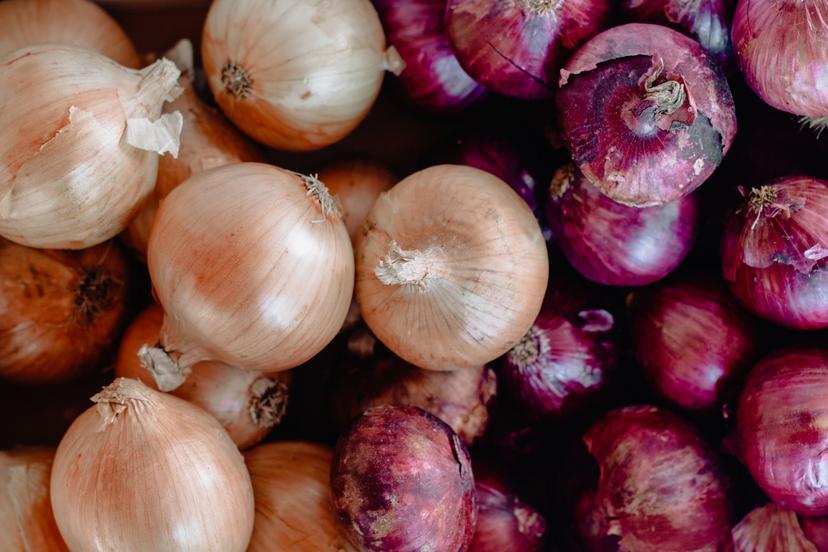
India is the second largest onion producer. Indian onions are famous for having their pungency all year around. Due to this fact there is a lot of demand for Indian Onions. India has exported 1,537,496.89 MT of fresh onion to the world for the worth Rs. 3,432.14 crores during the year 2021-22. Some of the major export countries are Bangladesh, Malaysia, Sri Lanka, United Arab EMTs, Nepal and Indonesia. Major onion growing states are Maharashtra, Madhya Pradesh, Karnataka, Gujarat, Rajasthan, Bihar, Andhra Pradesh, Haryana, West Bengal, Uttar Pradesh, Chhattisgarh, Odisha, Tamil Nadu, Jharkhand and Telangana.  Difficulty Level: Medium  Selection of Seeds There are various kind of onion varieties to choose from like Co­ 1, Co­ 2, MDU­ 1, Agrifound Rose, Arka Bindu, Bhima Shubra, Bhima Shweta, Bhima Safed, Pusa White Round, Arka Yojith, Pusa White Flat, Udaipur ­102, Phule Safed, N­257­9­1, Agrifound White, Phule Suvarna, Arka Niketan, Arka Kirtiman, Bhima Super, Bhima Red, Punjab Selection, Pusa Red, N­2­-4­-1, Pusa Madhavi, Arka Kalyan and Arka Lalima.  Onion Seed Treatment The green shoots of the onion are completely cut and removed. The onion bulbs are then treated with bavistin (or) dithane M45 @ 2 gm/litre water for 5-10 minutes before sowing. This will help prevent the bulbs infection from soil borne pathogens.  The seeds are treated with thiram @ 2gm/kg of seeds. Two days after treating the seeds, they are treated with Trichoderma viride @ 1.25 kg/ha is also recommended to manage damping off and raise healthy seedlings. Nursery Bed Preparation for Onions The seed requirement for one hectare is approximately 5 – 7 kgs. The ideal nursery size is about 6 to 7 cents. The land is ploughed 5 – 6 times and all the debris is removed. The soil is mixed with 500 kg of FYM and raised beds are made. The raised beds are of 10-15 cm height, 1.0 & 1.2 m width and length respectively with 30 cm distance between each bed. The seeds are then sown in lines at 50 mm to 75 mm. This is followed by light irrigation. After 35-40 days after sowing (DAS) for Kharif and 45-50 DAS for late Kharif and Rabi seasons,  the seedling will be available for transplanting.  Land Preparations for Onion Onion land preparation follows the land being ploughed for three to four times. Add 20 tons of FYM per acre at the time of last ploughing. Ridges and furrows are made with 20 cm spacing and fertilizers of Urea: 26 kg, SSP: 144 kg and Potash: 19 kgs are to be added to the soil. The treated bulbs are planted after irrigating the field for easy transplanting.  Soil Type Requirements for Onion Onion is grown all throughout the country. Therefore, onions can be grown in any soil. However, loamy soil or clayey loam soil is considered to be ideal.  Soil pH for Onion Production Soil with neutral pH is optimal.  Conclusion Onion is a hardy crop that can be grown anywhere. Onions, unlike other crops, can be stored for a long time. Therefore, onions regardless of when or where it is grown can be stored and sold in the market.  FAQs What is the seed rate for onion? The seed requirement for one acre is approximately 2 – 3 kgs.  What are the popular varieties of onion? States  Varieties  Karnataka & Telangana  Nasik Red onion (N-53), Royal selection onion, JSC Nasik Red onion (N-53), Prema 178 onion  Andhra Pradesh  Nasik Red onion (N-53), Prema onion, JSC Nasik Red onion (N-53), Prema 178 onion, Gulmohar onion  Madhya Pradesh  Nasik red onion (N-53), Gulmohar onion, Laxmi onion seeds diamond super, Royal Selection onion, Rise Agro Laxmi onion diamond super  Maharashtra  Nasik Red onion (N-53), Gulmohar onion seeds, JSC Nasik red onion (N-53), Royal selection onion, Rise Agro Laxmi onion diamond super  Uttar Pradesh  Nasik Red onion (N-53), Royal selection onion, Prema onion, JSC Nasik Red onion (N-53), Gulmohar onion  What is the ideal time for transplanting onion seedlings? After 35 – 40 days after sowing (DAS) for Kharif and 45 – 50 DAS for late Kharif and Rabi seasons, the seedling will be ready for transplanting.  What is the fertilizer recommendation for onion? The general dose of fertilizer recommendation for onion is 38:14:22 kg/acre. The commercial quantity to be applied in the field is given in the table below:  Nutrient  Fertilizers  General Dose (per acre)  Organic  FYM   6 ton  N  Urea (or)  83 kg  Ammonium Sulphate  178 kg  P  Single Super Phosphate (SSP) (or)  89 kg  Double Super Phosphate (DSP)  44 kg  K  Muriate of Potash (MOP) (or)  37 kg  Sulphate of Potash (SOP)  45 kg  Zn  (For zinc deficient soil)  ANAND AGRO INSTA CHEAL ZINC 12 % Micronutrient    Foliar application: 0.5 -1 gm/lit water  Soil application: 10 kg  B              ALLBOR Boron 20%    Foliar spray: 1gm/lit water    How is seed treatment done for onion bulb/seeds? Bulb treatment: Treat the onion bulbs with Bavistin (or) Dithane M75 (Mancozeb 75% WP) at 2 – 2.5 gm/litre water for 5 – 10 minutes before sowing.  This will help prevent the bulbs infection from soil borne pathogens.   Seed treatment: The seeds are treated with Vitavax powder (Carboxin 37.5% + Thiram 37.5% DS) at 3 gm/kg seed per acre or treat with BACF TRIDENT (Tricoderma viride 1.5%WP) at 4 gm/kg seed is also recommended to manage damping off and raise healthy seedlings.   Note: The information contained herein is for informational purposes only. Nothing herein shall be construed to be financial or legal advice. Pesticides are a considerable risk of loss in crops and viewers are advised to do their own research before making any decisions.
Image

Field Preparation for Coffee

Sathya G

-

04 January 2023

India in the year 2021-2022 alone produced 3.69 lakh tonnes of coffee. The world’s largest coffee producers are Brazil, Vietnam, Columbia, Indonesia and Ethiopia. India ranks as the world’s seventh-largest coffee producer. In India, Karnataka, Kerala and Tamil Nadu are the largest producers of coffee. Indian coffee is regarded as one of the strongest blends. Indian coffee, however, is extensively exported by almost 80% of the total coffee produced. India exports to Italy,  Germany, Russia, Spain, Belgium, Slovenia, United States and the United Kingdom. There are two kinds of coffee that are cultivated: Arabica and Robusta.  Difficulty Level: Hard Selection of Seeds There are two major types, arabica and robusta. The popular hybrids from those two types are  Kent, S-795, Cauvery, and Selection 9.  Coffee Seed Treatment Coffee seeds are usually bought from credible retailers as producing coffee seeds from coffee beans is very hard. Coffee seeds are treated with Azospirillum and phosphobacteria. Coffee seeds are not treated with too many chemicals as the seeds are sensitive to different chemicals and can affect the germination process. The coffee seed’s coat must be removed carefully. The seeds are then washed in a 1% solution of sodium hypochlorite. The seeds are then immediately washed in demineralized water to remove any chemical residue. The seeds are then soaked for 48 hours.  Nursery Bed Preparation for Coffee Coffee saplings are usually bought and planted, as getting coffee saplings from seed is very hard, time-consuming and delicate. Coffee saplings in nurseries are usually raised in polythene bags. The bag is mixed with a thin layer of fine soil, vermiculite and humus. The seeds are then individually sown and kept in shade. The germination takes 2.5 months. The coffee seeds are very sensitive, therefore too much water or too little can kill the seeds. Land Preparation for Coffee  The field must be weed free. The field must be cleaned without any debris. The field must be on a sloppy surface for better water management. The field must be soil tested before any nutrient or manure application. Based on soil test results, apply lime accordingly. Adding bulky organic manures like FYM or compost at 5 tonnes/ha is a thumb rule. The saplings are usually planted in a shaded condition, usually with an accompanying agroforestry crop.  Soil Type Requirements for Coffee Coffee is usually planted on a well drained soil with high humus content and with pH of 5 to 6. The soil has to be acidic, and this has to be maintained. The soil must be tested every 2 years to find out the fertility level.  Conclusion Coffee is a very hard crop to cultivate and is extremely sensitive. Coffee, however, if cultivated properly will fetch the farmer high return on investment.  FAQs  What are the popular varieties and hybrids of coffee? Variety – Arabica and Robusta  Hybrid – Kent, S – 795, Cauvery, and Selection 9  How to do seed treatment for coffee seeds? Treat the coffee beans/seeds with 10 ml of Azospirillium (SUN BIO AZOS) or Phosphobacteria (SUN BIO PHOSI) mixed with cold jaggery solution. Dry the treated seeds in shade before sowing and use it on the same day.  What is the germination period for the seeds? It is 2.5 months.  Is there any specific growth condition for coffee? The saplings are usually planted in a shaded condition, usually with an accompanying agroforestry crop.  What are the major plantation trees grown to provide shade to coffee? Coffee grows in a 3 – tier shade system.  The lower shade tier is usually a nitrogen fixing species like Erythrina or Glyricidia. The secondary tier is of trees like silver oak, white or red cedar which provides effective shade during monsoon by shedding leaves. The tertiary tier is of hardwood trees.   What type of soilis ideal for coffee cultivation? Well-drained loamy soil is ideal for coffee cultivation.  How is irrigation done for coffee? Over-head irrigation by sprinkler system is adopted to a greater advantage during Nov – Jan to keep the soil moisture level and Feb – April to ensure blossom as well as backing, if necessary.  What is the fertilizer recommendation for coffee? The general dose of fertilizer recommendation and its commercial quantity for young bushes up to 4th year is given in the table below.  Year  NPK dose (gram/plant/year)  Fertilizers (gram/plant/year)  Urea  Rock Phosphate  MOP  Arabica  1 year  20:10:20  43  33  33  2 year  20:10:20  43  33  33  3 year  25:15:25  54  50  42  4 year  25:15:25  54  50  42  Robusta  1 year  38:28:38  83  92  63  2 year  38:28:38  83  92  63  3 year  38:28:38  83  92  63  4 year  40:30:40  87  99  67  Fertilizer requirement and commercial quantity for mature yielding coffee is given in the table below.  Bearing bush   NPK dose (kg/acre)  Fertilizer (kg/acre)  Urea  Rock Phosphate  MOP  Yield level (kg/acre)  Arabica  1000  120:90:120  260  297  200  500  70:50:70  152  165  117  Robusta  1000  120:90:130  260  297  217  500  70:50:80  152  165  134    Note: The information contained herein is for informational purposes only. Nothing herein shall be construed to be financial or legal advice. Pesticides are a considerable risk of loss in crops and viewers are advised to do their own research before making any decisions.

State Schemes

Might Interest You

INDIA’S LARGEST AGRICULTURE PLATFORM

400+

Brands

30M+

Farmers Served

9K+

Products

95%+

Pincodes Served