Key Highlights
Organic farming in India is growing rapidly, offering solutions for soil degradation, financial distress, and health issues.
The benefits of organic farming practices include better soil health, reduced input costs, and a growing market for organic produce.
Government policies and technological advancements are driving the shift towards sustainable agriculture in India.
Farmers can benefit from organic farming methodsthrough cost-effective practices and access to premium markets.
Why Organic Farming is the Future of Indian Agriculture?
Organic farming is gaining momentum as the country faces challenges from conventional agricultural methods. These traditional farming practices have led to issues such as soil degradation, rising debt, and declining health. Organic farming provides a solution to all these issues by restoring soil health, improving economic viability, and meeting the demand for chemical-free produce.
What are the Key Drivers of the Organic Farming transition?
The shift towards organic farming techniques has driven several key factors that are transforming agriculture in India, such as:
Restoration of Soil Health
Organic farming techniques like crop rotation and composting help farmers to restore their soil health. Overuse of chemicals on agriculture field has impacted the soil negatively, such as depleting soil organic carbon by nearly 30% ions like Punjab. On the other hand, organic practices have encouraged microbial activity and improved water retention, making farms more climate resilient.
Economic Viability for Small Land Holder
Organic farming methods reduce the dependency on expensive chemical fertilizers, which is particularly beneficial for the 85% of Indian farmers who are small landholders. By switching to organic farming methods, farmers can lower their production costs and reduce the financial risk that leads to debt-related issues.
Market Demand and High Pricing
India is witnessing a surge in demand for organic farming. The organic food market in India is growing rapidly, driven by health-conscious consumers. Additionally, organic products are fetching a premium price in the global market, especially in the US and EU, where organic oil seeds, cotton, tea, and spices are in high demand.
What are the benefits of Organic Farming in India?
Organic farming in India not only improves the environment, but it also helps positively in health aspects and long-term economic benefits:
Soil Health
Organic farming restores soil health by increasing its organic carbon content, reducing the need for artificial fertilizers.
Economic Stability
By eliminating expensive chemical inputs, farmers reduce t costs and improvetehir long term income stability.
Market Access
Organic products attract higher prices, both domestically and internationally, which helps farmers earn more.
How Can Organic Farming Practices Improve Agricultural Productivity?
Below are the reasons why farmers should shift to organic farming:
Using Organic fertilizers
Organic farming leads to the use of organic fertilizers, which can enrich the soil naturally. By using compost and other organic materials, farmers improve the soil’s ability to retain water and nutrients, which boosts crop productivity over time.
Pest Control in Organic Farming
Pest control in organic farming relies on natural methods such as crop rotation, biological pest controlnd the use of natural pesticide methods ensure that crops are protected from pests without harming the environment.
How Does the Government Support Organic Farming in India?
The Indian government has been actively promoting sustainable agriculture in India through initiatives like:
Paramparagat Krishi Vikas Yojana
This program provides financial assistance for farmers to transition to organic farming.
Mission Organic Value Chain Development
Focuses on developing organic farming in North - Eastern India.
These initiatives help farmers access organic farming certification and support with the financial resources needed to switch to organic practices.
What are the Challenges of Organic Farming in India?
Initial Transition Period
While organic farming offers significant long-term benefits, the transition can be challenging. Farmers may experience lower yields during the first 2 - 3 years as the soil recovers and fertility is restored. However, these short-term challenges are outweighed by the long-term sustainability of organic farming.
Limited Infrastructure for Organic Farming
Currently, only 2% of India’s net sown area is certified organic, highlighting the need for better infrastructure, like cold storage and certification processes that are more affordable for small-scale farmers.
Organic Farming for a Sustainable Future
The future of organic farming in India is bright. With government support, technological advancements, and growing consumer demand for organic products, the sector is poised for rapid growth.
By adopting organic farming methods, farmers can improve soil health, reduce costs, and increase yield while contributing to a healthier environment. Sustainable agriculture in India is not just about improving productivity, it’s about ensuring a resilient, profitable,a nd eco-friendly future for the next generation of farmers.
Frequently Asked Questions
1. Why is organic farming gaining popularity in India?
Organic farming is becoming popular in India due to growing consumer health awareness, government support, and the demand for chemical-free food.
2. What are the benefits of organic agriculture?
The benefits of organic agriculture include improved soil health, reduced production costs, access to premium markets, and environmental sustainability.
3. What are the main organic farming techniques?
Organic farming techniques include crop rotation, composting, biological pest control, and the use of organic fertilizers to maintain soil health.
4. How does organic farming contribute to sustainable agriculture in India?
Sustainable agriculture in India is supported by organic farming through reduced chemical use, soil health restoration, and higher resilience to climate change.
5. How can technology improve organic farming practices?
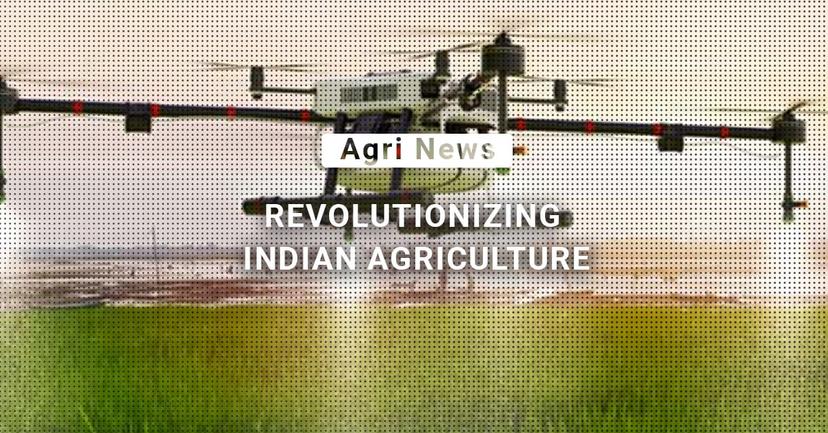
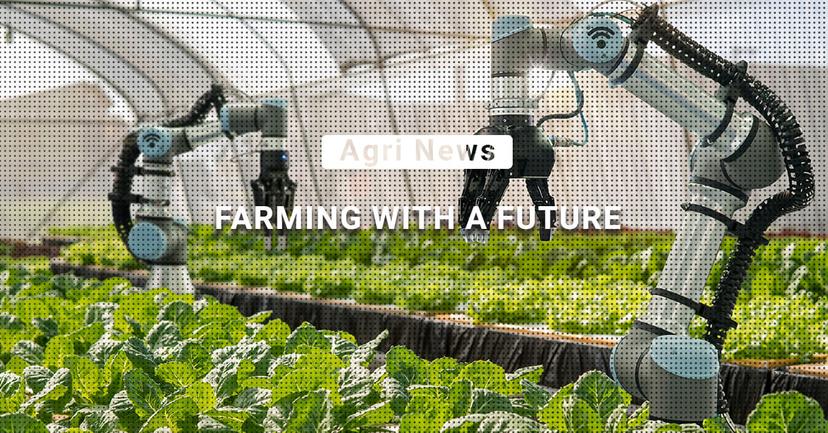
Technology like drones, AI, and blockchain is improving organic farming practices by enhancing pest control, nutrient monitoring, and traceability in the organic supply chain.