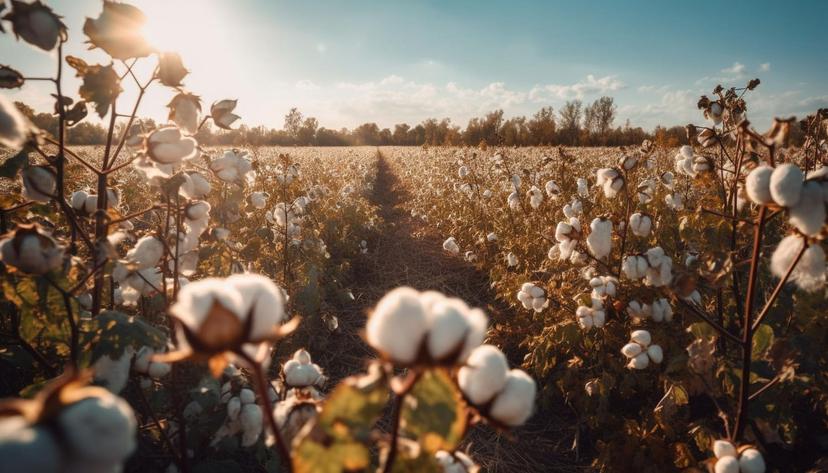
Pink Bollworm in Cotton: When to Start Monitoring and How to Reduce Crop Loss
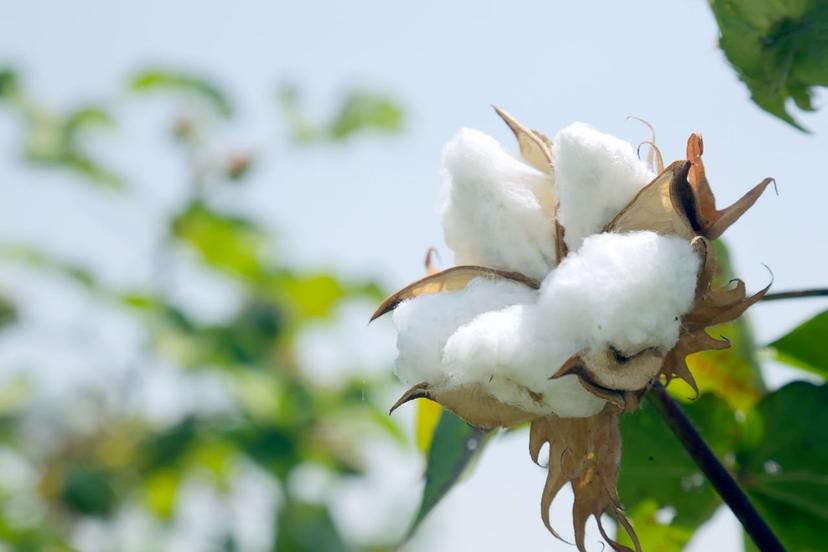
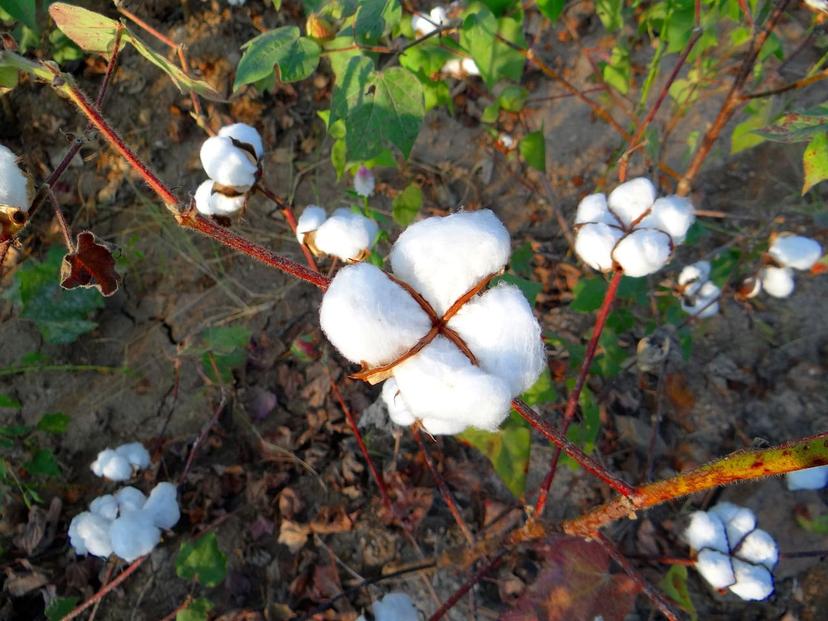
IntroductionCotton is one of the most important cash crops of India, grown across major states like Maharashtra, Gujarat, Telangana, Andhra Pradesh, Karnataka, Punjab, Haryana, and Rajasthan. In recent years, pink bollworm in cotton has become the number one pest, causing huge yield losses even in Bt cotton fields. Pink bollworm has developed resistance to Bt toxins (Cry1Ac and Cry2Ab), and many farmers see severe damage during the boll formation stage. Since the larvae feed inside the boll, sprays do not reach them easily. Early monitoring with pheromone traps, careful scouting, and integrated control are the only effective ways to reduce crop loss.What is Pink Bollworm in Cotton?Pink bollworm (Pectinophora gossypiella) is a small caterpillar pest that attacks flower buds, flowers, and bolls of cotton. The adult is a small grey-brown moth that lays eggs on tender plant parts. The young caterpillars are creamy white but turn pinkish as they grow. They bore inside the flower buds and bolls, feed on the developing seeds and lint inside, and damage the fibre quality. Affected flowers do not open properly and look like a rose bud — known as "rosetted flower". Bolls show small bore-holes that may close up later, making detection difficult. Pink bollworm mainly attacks during the squaring, flowering, and boll formation stages, and early monitoring is the key to effective control.SymptomsRosetted flowers: Flowers fail to open fully and look like a rose bud (typical sign of PBW).Small entry holes on flower buds and green bolls; the holes may close up after the larva enters.Pink-coloured caterpillars (8–12 mm) seen inside the bolls when they are split open.Damaged seeds and discoloured lint inside the bolls.Pre-mature opening of green bolls and badly opened, dirty white locks.Yellowing and dropping of squares and small bolls.Reduced number of pickable bolls and poor fibre quality.Yield impact: 30–60% loss in heavily infested fields and serious quality loss in lint.Farmer Tip: From flowering onwards, randomly pick 20 green bolls from different parts of the field every week. Split them open. If you find pink larvae or fed seeds inside even 5–10% of bolls, pink bollworm is present and immediate action is needed.Favorable ConditionsPink bollworm outbreaks are linked to cropping pattern, sowing dates, and field hygiene. The main favorable conditions are:Long duration cotton crops (more than 180 days), which give continuous food and shelter to the pest.Late sowing and staggered sowing in nearby fields, leading to overlapping flowering.Continuous cotton-cotton cropping without a clean break.Storage of unginned seed cotton near new fields; pupae carry over from old crop.Warm, humid weather (25–32°C) during flowering and boll formation.Use of broad-spectrum chemicals that kill natural enemies.Use of Bt cotton in fields with already developed resistance, without refuge planting.Carrying cotton stalks and stubble between fields without destroying them.Preventive MeasuresUse certified seed of recommended Bt cotton hybrid; do not save Bt seed for next year.Plant the recommended refuge area (non-Bt cotton) around or within the Bt cotton field.Avoid late sowing; follow the recommended sowing window for your region.Terminate the crop on time; do not extend cotton beyond 160–180 days where advised.Plough the field deeply after harvest; destroy stubble and stalks.Do not store unginned seed cotton near new cotton fields.Scout the field weekly and randomly check 20 green bolls per acre for damage.Keep the field free from weeds and host plants like Hibiscus, Abutilon, and Hollyhock.Conserve natural enemies — Trichogramma, lacewings, ants, and predatory bugs.Practice crop rotation with pulses, cereals, or oilseeds wherever possible.Management PracticesPink bollworm should be managed through Integrated Pest Management (IPM). Combine cultural practices, pheromone monitoring, mass trapping, biological control, and need-based chemical sprays. Farmers should not depend only on chemical sprays — once the larva is inside the boll, sprays cannot reach it. Action timing and proper crop hygiene are most important.Mechanical ControlInstall pheromone traps @ 5 per acre at canopy height from squaring stage.Hand-pick and destroy rosetted flowers and damaged bolls.Crush and destroy any pink larvae found in green bolls.Plough deeply after final picking; remove and burn cotton stalks.Avoid storing seed cotton near new fields; destroy old plant residue.Product NameUsageGAIAGEN Pectino® Lure Combo10-12 lure in traps/AcrePink Bollworm Pheromone Lure10-15 lure in traps/AcreCOMBO PACK OF BIO PHERO8-10 lure in traps/AcreBiological ControlBiological control is most useful in the early phase before larvae enter the boll. Egg parasitoids and entomopathogenic fungi help reduce population pressure. Useful BigHaat products include:Product NameTechnical ContentDosageEBS ORGANO KILLEROrganic Insecticide and Larvicide for Effective Pest Control100ml/AcreKatyayani Dr. NeemAzadirachtin 0.30% EC (3000 PPM)1litre/AcreKATYAYANI BT BIO LARVICIDEBacillus Thuringiensis 5*10⁸ CFU gram/min2litre/AcreT. Stanes NimbecidineAzadirachtin 0.30% EC (3000 PPM)1litre/AcreChemical ControlUse chemical insecticides only after monitoring shows pheromone trap catches above 8 moths per trap per night for 3 consecutive nights, or boll damage is more than 10%. Spray in the early morning or evening. Direct spray to flowers, squares, and young bolls. Rotate chemical groups, follow label dosage, and wear safety gear. Avoid mixing too many chemicals.Product NameTechnical ContentDosageDanitol InsecticideFenpropathrin 10% EC300-400ml/AcreSyngenta AmpligoChlorantraniliprole 9.3% + Lambda-cyhalothrin 4.6% ZC100ml/AcreProfex super Profenophos 40% + Cypermethrin 4%400-600ml/AcreBayer DecisDeltamethrin 2.8 EC (2.8% w/w)200ml/AcreSafety Tip: Always read the product label, follow the recommended dosage, and consult a local agronomist before spraying.Best Time to Take ActionStart pheromone trap monitoring from squaring stage (around 45 days after sowing). Release Trichogramma cards from flowering onwards at weekly intervals. Begin scouting bolls every 7 days. Apply biological sprays as a preventive measure during early flowering. Use chemical insecticides only when trap catches cross 8 moths per trap per night for 3 consecutive nights or 10% boll damage is seen. Picking bolls early and destroying damaged bolls during routine field walks also reduces the carry-over of larvae.Common Mistakes Farmers Should AvoidSpraying only on the top canopy; PBW eggs and larvae are inside flowers and bolls.Extending cotton crop beyond 180 days, giving extra time for PBW build-up.Storing unginned cotton near new fields — pupae carry over to next crop.Saving Bt cotton seed for next sowing — leads to faster Bt resistance.Using only one chemical group repeatedly; PBW develops resistance fast.Not installing pheromone traps for early monitoring.Spraying just before rain — chemical washes off and money is wasted.ConclusionPink bollworm is the biggest yield robber in Indian cotton today. Once the caterpillar enters the boll, sprays cannot reach it, and yield is already lost. The best protection is early monitoring with pheromone traps, weekly boll inspection, and timely action. Follow the right sowing window, plant the refuge as advised, and terminate the crop on time. Use Trichogramma cards, neem, and biological sprays as preventive tools. Apply chemical insecticides only when monitoring shows clear threshold crossing, and rotate chemical groups every spray. Always follow label dosage, spray at the right time, and wear safety gear. Integrated management protects yield and keeps the cropping system healthy for the next season.Note: The information contained herein is for informational purposes only. Nothing herein shall be construed to be financial or legal advice. Viewers are advised to do their own research before making any decisions.