cultivationPracticesHeroBanners

తాజా కథనాలు

Image

06 October 2026

|

పంటలు

Fruit Cracking and Sunscald in Chilli: Causes and Prevention

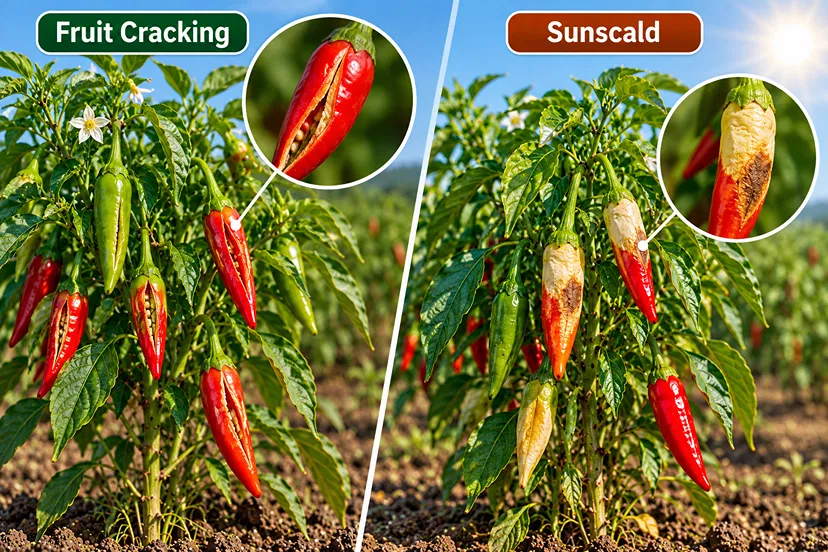
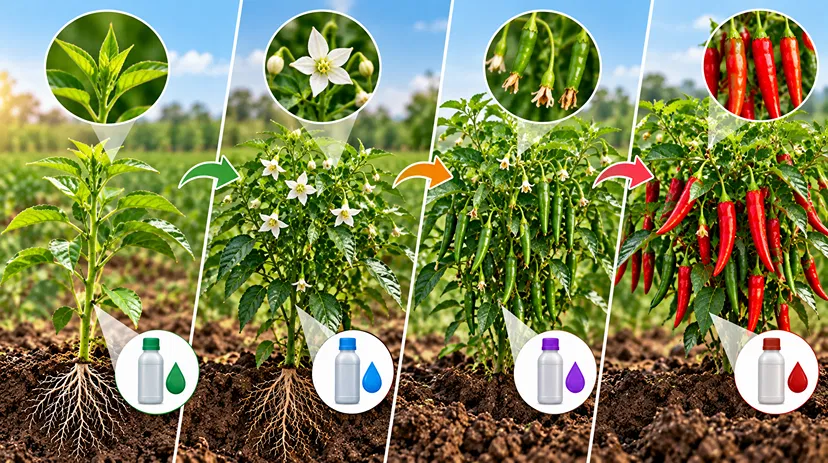
Cracked skin and sun-scorched patches are two common problems that can lower the look, weight and market value of chilli fruits. Neither is generally caused by a pest or a disease at the start. Both are usually linked to how the crop is watered, how the weather changes, and how well the plant covers its fruits. Knowing the cause can help you take the right step early. Fruit Cracking in Chilli What It Looks Like Cracking can show up as small brown or whitish lines on the skin, often described as looking like stretch marks. This is sometimes called corking. In most cases the fruit may still be usable, but it can look poor and may lose water faster after harvest. Common Causes Uneven moisture: Cracking is generally linked to wide swings in soil moisture, such as a long dry spell followed by heavy irrigation or rain. The fruit can swell faster than its skin can stretch. Changes in temperature: Sharp swings in temperature along with moisture changes may add to the problem. Variety: Some varieties may be more prone to cracking than others. A study on chilli-type peppers found differences in skin thickness and skin cell density between cracking and smooth-skinned varieties. Nutrition: Low calcium or boron has been linked to fruit cracking in some fruit crops. Its role in chilli is less clear, so a soil or leaf test can help before adding these nutrients. How to Prevent Fruit Cracking Try to keep soil moisture even through the crop. Regular, light irrigation, such as through drip, may work better than long gaps followed by heavy watering Use mulch, which can help hold moisture and reduce swings during dry weather Choose varieties that are known to be less prone to cracking in your area Where a boron shortage is suspected from a soil or leaf test, a foliar boron spray may be considered Product Recommendation Multiplex Allbor 20% Boron Fertilizer - A boron source for foliar use on vegetable crops including chillies, applied at 1 gm per litre of water, with the first spray just before flowering and the second spray 10 to 12 days later. Sunscald in Chilli What It Looks Like Sunscald can appear as pale, bleached, papery or tan patches on the side of the fruit facing the sun. The patch may turn sunken or leathery. Dark fungal growth can develop on the damaged area, and the fruit may rot if other infections enter. Green fruits are generally more visible when affected. Common Causes Direct sun on the fruit: Fruit that was shaded earlier can get burnt when it is suddenly exposed to strong sun and high heat. Loss of leaf cover: Heat stress, water shortage, pests and diseases can reduce the leaves that normally shade the fruit. Leaning plants: Wind can push plants over and expose fruits that were earlier covered by leaves. Hot fruit surface: In tomato, a close relative, the fruit surface has been found to run more than 10°C hotter than the air, which can show how quickly damage may occur. How to Prevent Sunscald Keep plants healthy with regular watering and good pest and disease management, so enough leaves remain to cover the fruits Stake and tie plants so they do not lean. In one trial on peppers, fewer than 2 per cent of fruits were scalded on staked and tied plants, against 17 per cent on plants that were not tied Consider a shade net during very hot spells. Extension guidance suggests about 30 per cent shade, and up to 50 per cent in extreme heat, though heavier shade may reduce yield Conclusion Cracking and sunscald can usually be reduced with steady watering, mulch, healthy leaf cover and support for the plants. A simple routine through the hot months may help protect both the quality and the weight of your harvest. Disclaimer: Always confirm the fertilizer dose suited to your soil type and soil test results before application, since actual requirements vary by field and region. This guide is a general advisory. Do your own research and verification before using any product. Always confirm suitability for your crop stage, region, and field conditions before making any purchase, spray, or crop-management decision.

Fruit Crops

Vegetable Crops

Spice Crops

అన్ని కథనాలను చూడండి

భారతదేశపు అతిపెద్ద వ్యవసాయ వేదిక

400+

బ్రాండ్లు

30M+

రైతులకందించిన సేవలు

9K+

ఉత్పత్తులు

95%+

పిన్ కోడ్ లకు అందించిన సేవలు