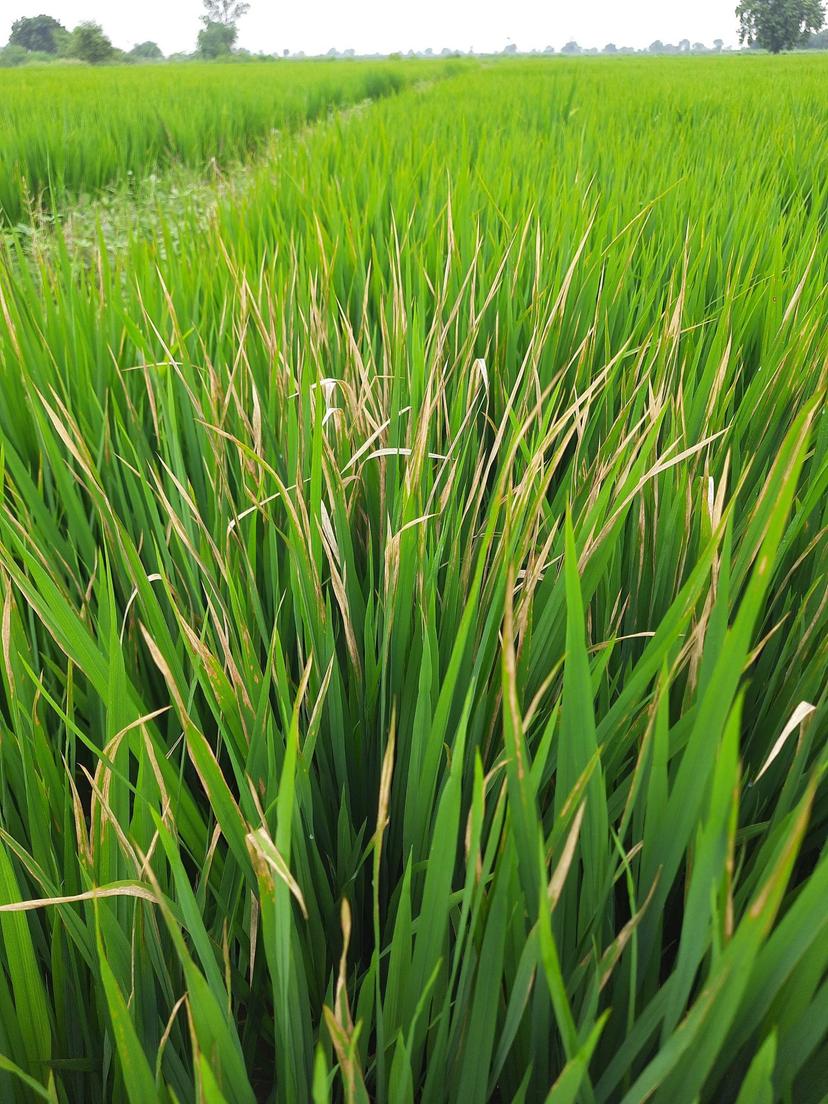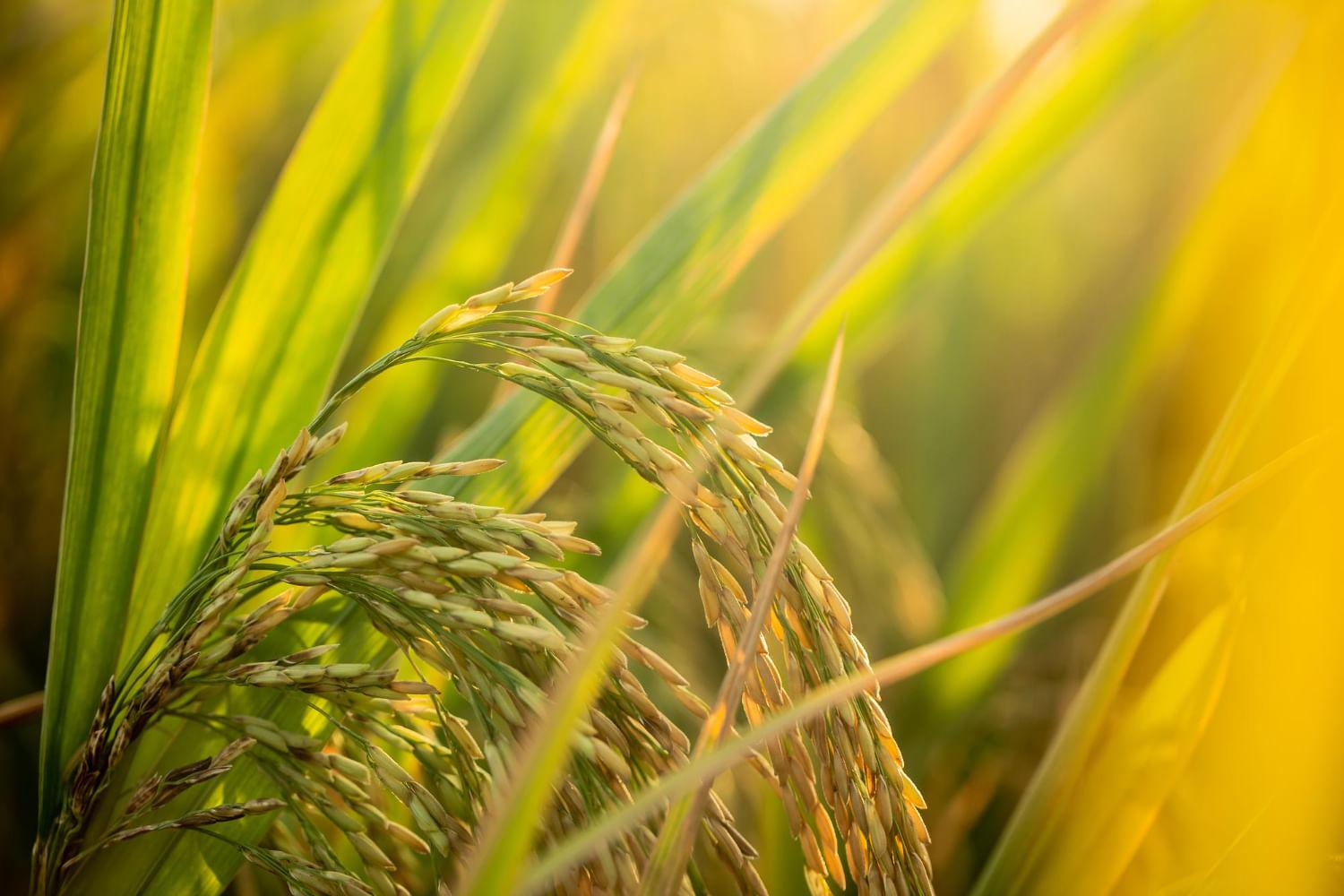
Paddy Crop: More than half of the world’s population consumes rice as their staple food. Despite being grown in a variety of agro-climatic areas, rice is the most commonly used food in Southeast Asia. In India, rice planting is typically farmed in six distinct habitats, including coastal lowlands, deep water areas, rainfed lowlands, rainfed uplands, irrigated kharif and irrigated rabi. Gain a thorough understanding of how to grow paddy crops to boost your farm productivity.
Soil and Climatic Requirements for Paddy Cultivation
- Soil for Paddy: Paddy planting works well in clay loams with good water retention. Paddy roots thrive in soils with pH levels ranging from 5.5 to 6.5.
- Climate: Paddy crops thrive in humid, warm climates with temperatures ranging from 21˚C to 38˚C. Rice crops are short-day plants and are sensitive to long days during the reproductive phase, which can delay flowering.
Package of Practices for Rice/Paddy Cultivation
Paddy Seedbed Preparation
1. Dry Seed Bed:
- Select land near a water source for Kharif (June) and Rabi (December) crops.
- Plough soil 3-4 times, using a rotavator for fine tilth.
- Apply 10 kg N, 2 kg P2O5, and 2 kg K2O for 1000m² nursery area.
- Use about one-tenth of the main field for the nursery.
2. Wet Seed Bed:
- Plough 4-5 times for desired tilth.
- Divide into 1m x 10m sub-plots with drainage channels.
- Apply 5 kg urea, 10 kg SSP, and 5 kg MOP before levelling each 10m² bed.
3. Dapog Nursery:
Grow seedlings on raised beds covered with polyethylene sheets.
- Sow pre-germinated seeds at 1 kg per m².
- 25-35 m² nursery is sufficient for 1 hectare.
- Seedlings are ready for transplanting in 13-14 days.
- In case of zinc deficiency, spray a 0.5% zinc sulphate solution.
Selection of Paddy Seed
- Prepare a salt solution (60 gm in 1-litre water) and place the seed in the container of salt solution
- The seeds that float upon soaking should be removed
- Dry the soaked seed under the shade
Seed Rate of Paddy Crop
Sl.No. | Sowing method | Seed rate (kg/ha) |
|---|---|---|
1 | Transplanting | 30 to 35 |
2 | Direct seeding | 75 |
3 | System of Rice Intensification (SRI) | 7 to 8 |
Seed Treatment in Paddy
Treat seeds with Bavistin Fungicide (2 gm/kg) to control seed-borne diseases and prevent rice blast. For wet seedbeds, soak seeds in Taqat Fungicide for disease prevention.
Field Preparation of Paddy/Rice
- Prepare the land using a tractor-drawn plough in dry conditions, either before the monsoon or after the second crop harvest, to reduce pest and weed issues.
- Plough the field twice, with a 7-day interval between puddling. This creates an impervious layer, reducing water loss from deep percolation. After puddling, level the land.
- The system of rice intensification is the process of rice cultivation by adopting a square geometry. In this method of paddy cultivation, young seedlings of 8 to 12 days old (2-leaf stage) should be raised in moist soil (saturated)
Age of seedlings for Transplanting
- Kharif/ wet season: 20 to 25 days old seedlings
- Rabi/ Dry season/ Dalua: Maximum of 30 days old seedlings
Spacing and Stand Establishment
- Kharif/ wet season: 20 cm×10 cm
- Rabi/ Dry season/ Dalua: 15 cm×10 cm
- SRI: 25 cm × 25 cm
Fertilizer Recommendations for Paddy Crops
- Wet season: 80:40:40 N, P2O5 and K2O kg/ha + 10t/ha FYM
- Dry season: 120:60:60 N,P2O5 and K2O kg/ha + 10t/ha FYM
- For paddy planting in zinc-deficient areas, apply zinc sulphate at a rate of 25 kg/ha as a basal application.
Water Management for Paddy
- Maintain a water level of 3-5 cm throughout the growth period. Saturate the field for a week after transplanting.
- Stop irrigation 10-15 days before harvesting.
Weed Management for Paddy
Weed competition is highest in the first 4-6 weeks. Use Pretilachlor (500 ml/acre) for pre-emergence weed control, followed by post-emergence applications of Bispyribac Sodium (80 ml/acre) at 20 and 40 DAS/DAT.
Common Pests in Paddy Crops
1. Yellow Stem Borer (Scirpophaga incertulas)
Symptoms:
- Dead heart at vegetative stage, turns brownish, curls, and dries off.
- White ears at panicle emergence, partially filled grains.
Management: Apply Ferterra Insecticide (Chlorantraniliprole 0.4% w/w GR) at 4 kg/acre.
2. Gall Midge (Orseolia oryzae)
Symptoms:
- Gall formation in the leaf sheath, heavy tillering.
- Hollow whitish to pale green cylindrical tubes in tillers.
Management: Apply Ekalux Insecticide (Quinalphos 25% EC) at 2 ml/lit water
3. Brown Plant Hopper (Nilaparvata lugens)
Symptoms:
- Drying of crops in circular patterns
- Honeydew symptoms appear on the leaves
Management: Apply Prorin (Profenophos 40% + Cypermethrin 4% EC) at 400 ml/acre.
4. Rice Hispa (Dicladispa armigera)
Symptoms:
- Papery white rectangular streaks on leaves.
- Tips of infested leaves turn white
Management: Apply Lara 909 Insecticide (Chlorpyriphos 50% + Cypermethrin 5% EC) at 1.5 ml/lit water
5. Rice Leaf Folder (Cnaphalocrocis medinalis)
Symptoms:
- Larvae fold the leaf into a folder and feed on it.
- Faecal pellets inside folded leaf.
Management: Apply Curacron Insecticide (Profenofos 50% EC) at 100 ml/acre.
6. Rice Earhead Bug (Leptocorisa acuta)
Symptoms:
- Nymphs and adults suck juice from grains at milky stage.
- Brown spot on the feeding site.
- The affected grains are partially filled or chaffy.
Management: Apply Ampligo Insecticide (Chlorantraniliprole 9.3% + Lambdacyhalothrin 4.6% ZC) at 100 ml/acre
Common Diseases affecting Paddy crop
1. Rice Blast (Pyricularia oryzae)
Symptoms:
- Spindle-shaped brown spots with greyish center on leaf sheath.
- Spots join, field shows burnt appearance.
- Node and neck blast on nodes and peduncles.
Management: Apply Custodia Fungicide (Azoxystrobin + Tebuconazole) at 300 ml/acre.
2. Brown Leaf Spot (Helminthosporium oryzae)
Symptoms:
- Oval to circular brown spots on leaves.
- Spots coalesce, leaf dries up.
Management: Apply Contaf Fungicide (Hexaconazole 5% EC) at 200 ml/acre.
3. Rice Sheath Blight (Rhizoctonia solani)
Symptoms:
- Grey spots on leaf sheath.
- Spots enlarge, blackish-brown appearance.
- Poor grain filling in infected plants.
Management: Use Zerox Fungicide (Propiconazole 25% EC) at 200 ml/acre.
4. False Smut (Ustilaginoidea virens)
Symptoms:
- Greenish spore balls with velvety appearance covering spikelets.
- Grains with spore balls remain unfilled.
Management: Apply Amistar Top Fungicide (Azoxystrobin + Difenoconazole) at 200 ml/acre.
5. Bacterial Leaf Blight (Xanthomonas oryzae)
Symptoms:
- Small water-soaked lesions on leaves.
- Lesions enlarge, turn straw yellow with wavy margin.
Management: Apply Hal (Streptocycline Sulphate + Tetracycline Hydrochloride) at 6 gm/50 liters water.
6. Bacterial Leaf Streak (Xanthomonas campestris pv. oryzicola)
Symptoms:
- Small water-soaked streaks on leaves.
- Streaks enlarge lengthwise, turn brown.
Management: Apply Hal (Streptocycline Sulphate + Tetracycline Hydrochloride) at 6 gm/50 liters water.
Harvesting and Threshing
The most common sign of crop maturity is a change in straw colour from green to yellow. At this point, the panicle’s grain begins to mature from top to bottom. In general, the lower portion of the plant should still be green while harvesting to prevent shattering. If harvesting is performed by a combined harvester, threshing occurs simultaneously. However, if harvested manually, then the rice should be bundled and threshed using a thresher.
Yield
The yield of the paddy crop ranges from 4 to 5 t/ha depending on variety, soil and management conditions