Key takeaways:
- Mango flower drop control is essential for improving the fruit set.
- Pruning and mango flowering fertilisers enhance the mango tree's flowering potential.
- Optimal weather conditions, pest control, and effective pollination are critical for success.
- Managing nutrient levels during the mango flowering season improves flowering and fruit development.
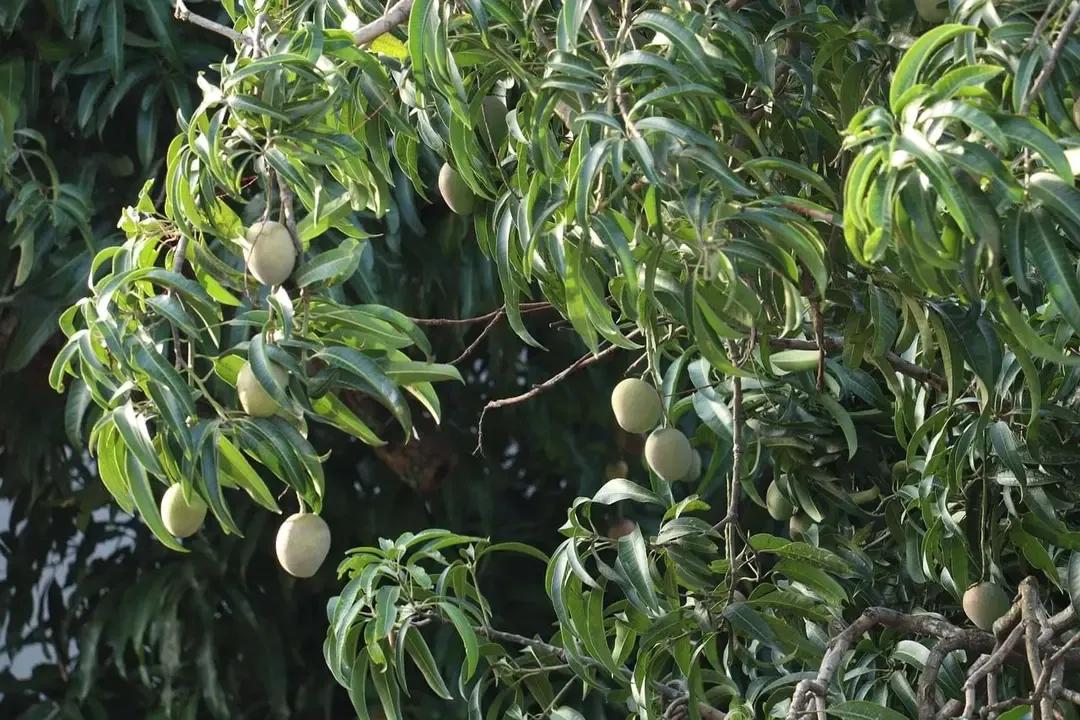
Mango (Mangifera indica) is one of the most important tropical fruits in India. India is the largest producer of mangoes in the world, accounting for about 21 million metric tons in 2022. Mango flowering is a critical stage as it directly impacts the fruit yield. Effective management of mango flowers is essential for ensuring a good yield.
When Does Mango Flowering Occur, And How Does It Affect Yield?
Mango tree flowering usually begins after 5 - 8 years of growth when the trees reach maturity. In India, the mango flowering season generally starts from December to February, while fruit development continues from January to May, depending on the time of flower initiation. Mango flowers are small, yellowish or pinkish-red and grow in clusters called panicles that hang from the branches.
Although mango flowers are hermaphrodite, cross-pollination by pollinators such as bees, wasps, moths, butterflies, flies, beetles, and ants improves the fruit set. Cooler temperatures of 15–20°C during the day and 10–15°C at night, along with bright sunlight, favour flowering, whereas high humidity, frost, rain, or cloudy weather can affect flower formation and encourage pests like mango hoppers and diseases.
The number of flowers and duration of the flowering stage directly influence mango yield, but even under good pollination, only a small percentage of flowers develop into fruits because many flowers and young fruits drop due to weather conditions and pest infestations. Therefore, favourable environmental conditions and proper crop management are essential for successful mango flowering and fruit production.
How Effective Management Of Flowering Can Increase Yield In Mango
1. Intercultural operation:
Pruning mango trees can induce flowering. Lack of pruning leads to dense growth of the mango canopy, preventing light from penetrating the interior portions of the tree and thus reducing the flowering and yield. Pruning the tips of shoots may initiate flowers. The best time to prune is after harvest, usually from October to December. Tip pruning, which is done 10 cm above the last internode, may improve flowering.
Girdling is a method used for inducing fruit bud formation in mango. It involves the removal of a strip of bark from the trunk of a mango tree. This enhances flowering, fruit set and fruit size by increasing foliar carbohydrates and plant hormones in the above parts of the girdle by blocking the downward translocation of metabolites through phloem.
Fruit set is increased when girdling is done at the time of inflorescence emergence. Care should be taken regarding the depth of the girdling. Excessive girdling depth could harm the tree.
2. Plant growth regulators (PGRs):
Plant growth regulators can be used to control flowering and increase yields by influencing the physiological processes that regulate plant growth and development. Paclobutrazol is a common plant growth regulator used in mango trees, which helps in reducing vegetative growth and promotes flowering.
Ethephon and NAA also help in inducing flowering, preventing shedding of flower buds and fruit ripening. They help in enlarging fruit size, increasing and improving the quality and yield of fruits.
Product name | Technical content | Dosage | Application time |
|---|---|---|---|
Paclobutrazol 23% SC | For trees < 10 years age: 8 ml per tree dissolved in water For trees > 10 years age: 16 ml per tree dissolved in water (Apply to the root zone in both cases) | Three months before flowering and after applying two irrigations may be required | |
Ethephon 39% SL | Foliar: 1 – 2.5 ml/lit water | First spray in mid-October or early November total 5 spray at fortnightly interval (For breaking alternate bearings) Commencing from early November total 5 sprays at weekly interval (Induce flowering) | |
Alpha Naphthyl Acetic Acid 4.5% SL | Foliar: 0.2 – 0.3 ml/lit water | Spray when tender fruits are of pea size |
(NOTE: PGRs must be carefully managed to avoid negative effects on plant growth and development, such as excessive branching, reduced fruit size, or delayed flowering. Check the dosage and time of application before use.
3. Nutrient management:
Nutrient management plays a crucial role in inducing flowering in mango trees. Nitrogen supports plant growth and development, but excessive nitrogen can delay mango flowering by promoting vegetative growth instead of flower initiation. It may also create an imbalance in phosphorus (P) and potassium (K), which are important for flowering, and can increase susceptibility to pest infestation due to excess vegetative growth.
Using the optimum amount of nitrogen helps regulate flowering. Phosphorus is essential for flower initiation and fruit set in mango trees, and applying phosphorus fertiliser during the pre-flowering stage supports better flower development. Potassium enhances flowering, improves nutrient and water transport to fruits, and increases resistance to moisture stress, heat, frost, and diseases. The application of micronutrients further improves flowering, fruit quality, and reduces fruit drop.
Time of application: 2 – 3 sprays at an interval of 25–30 days between the sprays, starting from flower initiation
Product name | Nutrient | Dosage | Features |
|---|---|---|---|
Mix of Zn, Mn, Fe, Cu, B, Mo | Foliar: 3 gm/lit water Fertigation: 10 – 15 gm/lit water | Helps in fruit setting and increases yield | |
Mg | Foliar: 3 – 4 g/lit water | Helps in more synthesis of chlorophyll, which in turn increases the yield | |
B | Foliar: 1 gm/lit water | Helps to control flower shedding | |
Bio-organics and traces of micronutrients | Foliar: 2 ml/lit water | Induces more flowering and helps in fruit setting |
4. Pest and disease management:
During flower and fruit formation, there is a high chance of pest and disease infestation, leading to the risk of losing flowers and premature fruits. Mango hoppers, flower gall midge, mealy bug and leaf webber are the major pests attacking the mango flowers. Mango Powdery mildew, mango malformation and anthracnose are the diseases affecting mango flowers, leading to reduced fruit development.
Check the symptoms and management of the pests and diseases in mango flowers to increase the fruit yield
5. Pollination:
Mango flowers have both male and female reproductive parts in the same flower. However, mango flowers are relatively small and do not produce a large amount of nectar or pollen. Therefore, they are heavily dependent on pollinators such as flies, wasps and other insects to transfer pollen between flowers.
Without pollination, mango flowers may not produce fruit, or the fruit may be small or misshapen. Cross-pollination increases the yield of mango. It is important to note that pesticides and fungicides should not be sprayed during the full bloom stage since pollination by insects will be affected at this time, leading to reduced yield.
6. Weather conditions:
Optimal weather conditions during flowering can lead to a higher rate of successful fruit set and increased yields. For example, Excessive wind speed causes a massive drop in flowers and fruits. Thus, it is essential to provide wind protection to mango orchards by planting windbreaks/shelterbelts.
7. Water management:
A sufficient amount of water is required for mango trees, especially during the growing season. Inadequate or excessive watering can lead to reduced yield and quality of fruit. Proper water management can also help to prevent disease and pests, which thrive in moist environments.
In hot and dry climates, irrigation can help to increase humidity levels and reduce temperature fluctuations, providing a more favourable environment for mango growth. Excessive irrigation may reduce soil temperature, which in turn leads to reduced plant growth and development.
On the other hand, inadequate watering can lead to a rise in soil temperatures, damaging the plant roots and leading to reduced yields. Thus, effective water management is essential to ensure healthy plant growth and fruit production.
End Note
Managing mango tree flowers effectively during the mango flowering season can result in significantly higher fruit yields and improved fruit quality. Proper pruning, nutrient management, and pest control, along with the use of mango-flowering fertilisers and PGRs, can help increase the success of flowering in mango trees. By adopting these strategies, farmers can ensure a good mango harvest and maintain a sustainable production cycle.
Frequently Asked Questions
1. What is the best time for mango flowering in India?
The mango flowering season in India typically starts from December to February. However, the exact timing can vary based on the tree's growth, environmental conditions, and mango tree flowering time.
2. Why is controlling mango flower drop important?
Mango flower drop control is crucial because it directly impacts the fruit set. Flower shedding due to unfavourable weather, pests, or nutrient imbalances can drastically reduce the number of mangoes produced.
3. How does mango tree flowering affect fruit production?
Mango flowering is directly linked to the fruit set. Only a small percentage of mango flowers successfully set fruit due to factors like weather, pest infestations, and mango flowering fertilisers. Proper pollination and flower management are key to maximising fruit yields.
4. How do I manage mango flowering for better yields?
Effective mango flowering management includes:
- Pruning mango trees for better sunlight penetration.
- Using mango flowering fertilisers rich in phosphorus to stimulate flower initiation.
- Applying plant growth regulators like paclobutrazol to enhance flowering and fruit set.
5. What are the common pests and diseases during mango flowering?
Pests like mango hoppers, flower gall midge, and mealybugs attack mango flowers, while diseases such as mango powdery mildew and anthracnose can harm flower development. Regular pest and disease control is vital during the mango flowering season.