Quick Summary
- Marigold is one of the most widely grown ornamental flowers in India.
- Marigold cultivation in India is popular because it requires low investment and gives quick returns.
- The marigold flower season in India varies depending on summer, rainy, and winter planting cycles.
- Farmers commonly grow African marigold flowers and French marigold flowers.
- Proper seed selection, soil preparation, and pest management are important for successful farming.
- Farmers can start cultivation using marigold seeds, French marigold seeds, or African marigold seeds.
Why is Marigold Cultivation in India Important?
Marigold cultivation in India is one of the most common flower farming practices followed by farmers across the country. Marigold is a short-duration flowering crop that produces bright yellow and orange flowers widely used in temples, weddings, festivals, and decoration.
The marigold flower is native to Mexico and Central America but is now cultivated worldwide. In India, states such as Tamil Nadu, Karnataka, Andhra Pradesh, Madhya Pradesh, and Maharashtra grow marigolds extensively.
Because of its strong market demand during festivals and religious ceremonies, marigold cultivation in India has become an important source of income for many farmers.
Farmers grow two main varieties:
- African marigold flower – tall plants with large blooms
- French marigold flower – dwarf plants with smaller flowers
Both varieties are suitable for commercial farming and home gardening.
What Climate and Soil are Best for Marigold Plant Growth?
The marigold flower season in India allows farmers to grow this crop almost throughout the year. However, the flowering and yield depend on the planting season.
|
Planting season |
Sowing time |
Transplanting time |
Flowering time |
Remarks |
|---|---|---|---|---|
|
Summer |
Jan – Feb |
Feb – Mar |
Mid-May – Jul |
Flower size is smaller due to high temperature, but good market demand |
|
Rainy |
Mid-Jun |
Mid-Jul |
Mid-Sept – Nov |
Higher market demand gives good prices |
|
Winter |
Mid – Sept |
Mid-Oct |
Mid-Jan |
Profuse blooming and high yield, but lower market price |
Both french marigold flower season in India and the African marigold flower season in India follow this general planting cycle.
Understanding the marigold season in India helps farmers plan sowing and harvesting to improve profits. On the other hand, understanding which soil is best for Marigold plantation is also important; Marigold grows best in a mild climate.
- Ideal temperature: 18°C – 20°C
- Temperatures above 35°C reduce flower size and number
- Severe frost can damage plants
For successful marigold cultivation in India, the soil should be:
- Well-drained loamy soil
- Soil pH between 7 and 7.5
- Rich in organic matter
Avoid strongly acidic or alkaline soil conditions.
Which Types of Marigold Seeds Are Used in India?
Farmers can start marigold cultivation in India using different types of marigold flower seeds.
|
Varieties |
Seeds available |
|---|---|
|
African marigold double orange seeds, NS African marigold seeds, NS African marigold F1 vanilla white, NS African marigold majestic yellow seeds, African double yellow marigold seeds, NS African marigold F1 Inca mix |
|
|
French marigold, Sarpan hybrid French marigold (SFR), IRIS hybrid flower, French marigold scarlet seeds |
Farmers can select French marigold seeds or African marigold seeds depending on plant height and market demand.
How to Grow Marigolds from Seeds?
Many farmers ask how to grow marigolds successfully for better yields.
Seed Rate |
Nursery Preparation |
|---|---|
|
500 – 800 g per acre. |
Marigolds are propagated using marigold seeds. |
Before sowing:
- Treat seeds with Azospirillum mixed in a jaggery solution
- Prepare nursery beds 75 cm wide and 10 - 20 cm high
- Sow marigold flower seeds in rows 5 cm apart
- Cover seeds with sand or FYM
The marigold seed germination time is usually 4 - 5 days after sowing.
Seedlings become ready for transplanting after 1 month.
This process is an essential step in marigold cultivation in India.
What is the Transplanting Method for the marigold plant?
Prepare the main field by ploughing to a fine tilth and applying 10 tonnes of FYM per acre.
Spacing:
- African marigold: 45 cm × 45 cm
- French marigold: 30 cm × 30 cm
Transplant seedlings when they have 4 - 5 leaves.
For better plant establishment, transplanting should be done in the evening when temperatures are lower.
What Fertiliser is Required for Marigold Cultivation in India?
The recommended fertiliser dose for marigold cultivation in India is:
36:36:30 kg NPK per acre
|
Nutrient |
Fertilizer |
Dosage (per acre) |
Time of application |
|---|---|---|---|
|
Organic |
FYM |
10 ton |
During last ploughing |
|
N |
Urea |
39 kg |
Basal |
|
N |
Urea |
39 kg |
Top dressing (45 days after planting) |
|
P |
SSP |
225 kg |
Basal |
|
K |
MOP |
50 kg |
Basal |
Additional foliar sprays such as humic acid, seaweed extract, and flower boosters help increase flower size and yield.
What Irrigation Schedule is Needed for Marigold Farming in India?
Proper watering is essential for healthy marigold plant growth.
- Irrigate immediately after transplanting
- Winter irrigation: every 8 - 10 days
- Summer irrigation: every 4 - 5 days
Avoid waterlogging conditions.
Maintaining moisture during bud formation and flowering is important for high yield in marigold farming in India.
Intercultural Practices Improve Marigold Flower Yield
Here are important intercultural practices followed in marigold cultivation in India, which help strengthen the plant base and support better growth.
Earthing Up
Done 3 - 4 weeks after transplanting to improve plant stability.
Weed Management
Usually, 4 - 6 manual weddings are required.
Pinching
Removal of the apical bud after 40 days encourages more branching and more flowers.
Staking
Tall African marigold plants require bamboo support to prevent lodging.
These practices improve productivity in marigold cultivation in India.
How to Protect Marigold Plants from Pests and Diseases?
Major pests affecting marigold farming in India include:
- Mealy bugs
- Aphids
- Red spider mites
- Beetles and weevils
- Leaf hoppers
- Thrips
- Leaf miners
Common diseases affecting the marigold plant include:
- Damping off
- Powdery mildew
- Wilt and stem rot
- Collar rot
- Leaf spot and blight
- Flower bud rot
- Botrytis blight
Proper field sanitation, biological control, and recommended pesticides help manage these problems.
When Are Marigold Flowers Ready for Harvest?
Marigold flowers are ready for harvesting about 2.5 months after transplanting.
Key harvesting tips:
- Harvest in the morning or evening
- Pick flowers along with the stalk
- Harvest every 3 days for better yield
Flowers are usually packed in bamboo baskets or gunny bags for transport.
What Yield Can Farmers Expect from Marigold Cultivation in India?
The yield depends on season, soil fertility, and variety.
|
Variety |
Yield |
|---|---|
|
African marigold |
3 – 4 tons per acre |
|
French marigold |
4.5 – 7 tons per acre |
With proper management, marigold cultivation in India can provide farmers with consistent income and strong market demand.
Frequently Asked Questions
1. What are the most common diseases in bitter gourd?
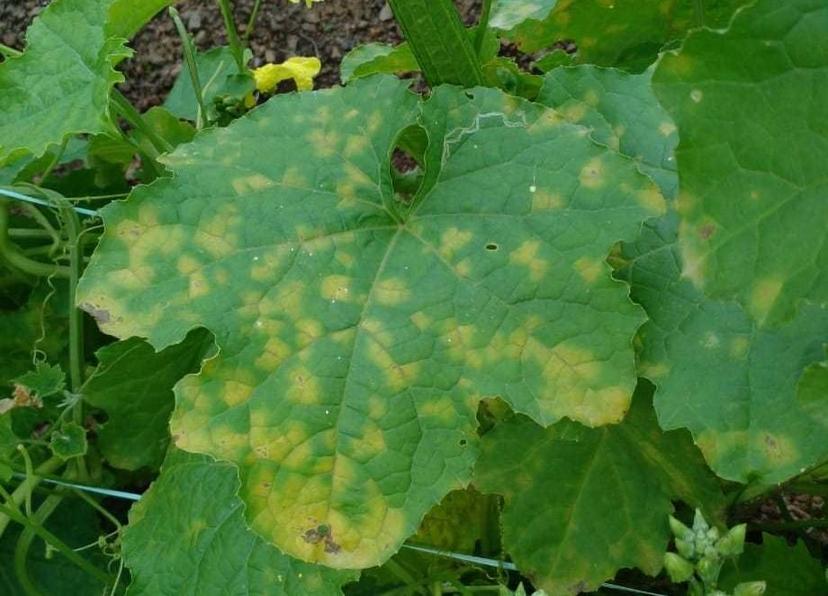
Common bitter gourd diseases include powdery mildew, downy mildew, leaf spot, wilt, and mosaic virus. These diseases primarily affect leaves and, if not managed early, reduce plant growth and yield.
2. How can farmers identify bitter gourd diseases early?
Farmers can identify diseases by observing yellow spots, white powdery growth, leaf curling, or wilting. Regular crop monitoring helps detect early symptoms and prevents disease spread.
3. What is the best method to control bitter gourd diseases?
An integrated approach is best, combining cultural practices, proper field hygiene, and timely fungicide application to effectively control diseases.
4. Which fungicides are used for bitter gourd disease control?
Farmers commonly use recommended fungicides based on the disease type, such as systemic and contact fungicides. It is important to follow the proper dosage and spray schedule for effective control.
5. How can farmers prevent bitter gourd diseases naturally?
Farmers can prevent diseases by maintaining proper spacing, avoiding water stagnation, using resistant varieties, and keeping the field clean to reduce the risk of infection.