fruitCropsHeroBanners

ಇತ್ತೀಚಿನ ಲೇಖನಗಳು

Image

09 September 2026

|

ಬೆಳೆಗಳು

Mango Mealybug Control: Chemical and Bio Solutions That Work

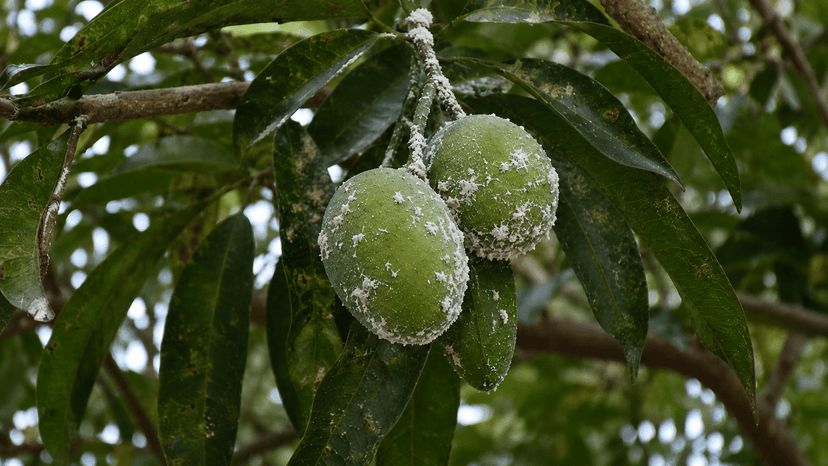
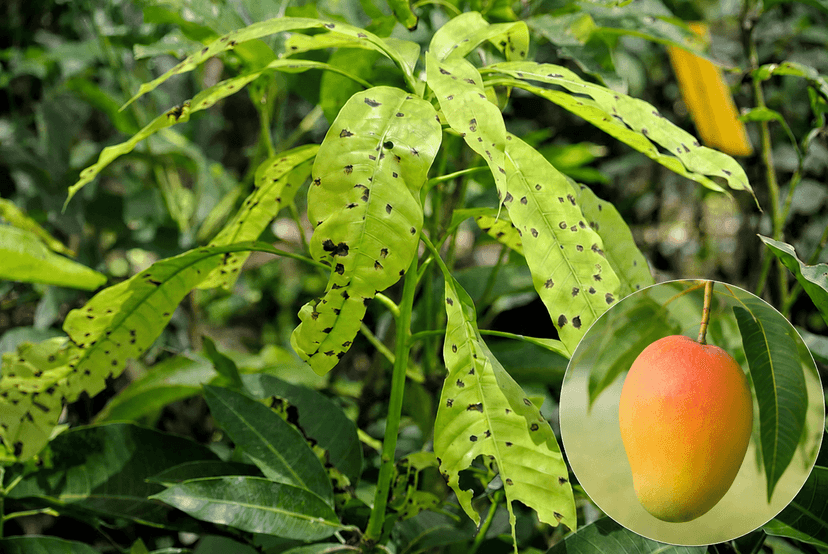
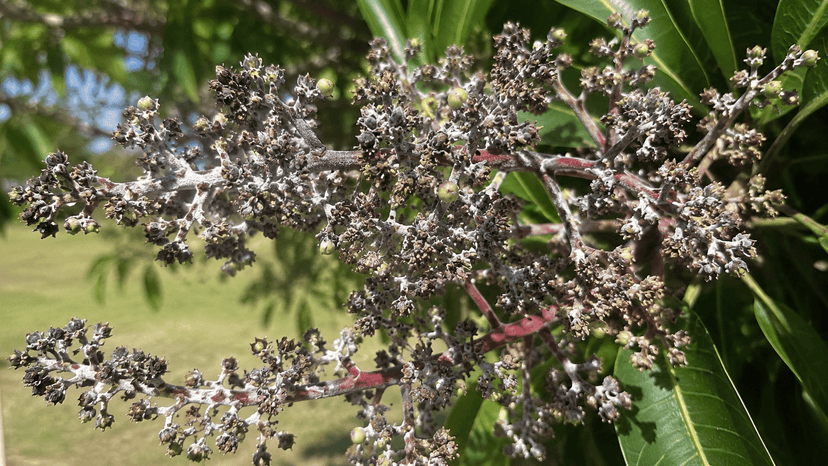
Mealybug control in mango protects the tree at its most vulnerable stage, flowering and early fruit set. Mealybug nymphs climb up from the soil around the base of the trunk to feed on tender shoots, panicles, and developing fruit, coating them in sticky honeydew and sooty mould, and heavy infestation can cause flowers and young fruit to drop before they ever mature. Because the crawling nymphs are most exposed just before they climb the trunk, mango mealybug management works best as a combination of trunk banding, soil treatment, and a well-timed insecticide spray during the vulnerable climbing and flowering period. How to Identify Mealybug Infestation in the Field Small, soft-bodied insects covered in a white, waxy, cottony coating clustered on shoot tips, leaf axils, flower panicles, and the underside of leaves Sticky honeydew coating leaves, twigs, and fruit, often followed by black sooty mould growth Ants moving actively up and down the trunk and along branches, drawn to the honeydew mealybugs secrete Crawling nymphs visible migrating up the trunk from the soil, especially in the evening or early morning during the flowering season Shrivelled, distorted, or dropped flower panicles and young fruitlets on heavily infested trees A greyish-white, waxy residue left behind on bark and twigs even after the live insects have been controlled Cultural and Mechanical Control Measures Trunk banding: Wrap a 20–25 cm band of polythene or alkathene sheet around the trunk, coated with grease or a sticky adhesive, to trap crawling nymphs before they climb into the canopy. Soil ploughing around the base: Deep-plough or dig the soil in a 1.5–2 m radius around the trunk in autumn/early winter to expose and destroy egg masses and overwintering nymphs before they hatch. Field sanitation: Remove weeds and fallen debris from around the tree base, since these can shelter mealybug eggs and nymphs between seasons. Ant control: Manage ant colonies around the orchard, since ants protect mealybugs from natural predators in exchange for honeydew and help spread infestations between trees. Encourage natural predators: Avoid unnecessary broad-spectrum sprays so ladybird beetles (such as the mealybug destroyer) and other natural enemies can help suppress early colonies. Water spray knockdown: A forceful jet of water on infested shoots and panicles can physically dislodge light mealybug colonies before they spread further. 1. Spirotetramat 11.01% w/w + Imidacloprid 11.01% w/w SC This combination pairs two systemic actives with a rare two-way movement, translocating both upward and downward through the plant to protect new growth as it develops. Spirotetramat inhibits lipid biosynthesis, disrupting mealybug development at the nymph stage, while Imidacloprid disrupts the pest's acetylcholine receptors for additional knockdown on the sap-sucking adults. Together they give broad, shoot-to-root protection, reaching mealybug colonies tucked into bark crevices and leaf axils that a purely contact spray would miss. Product Recommendations Bayer Movento Energy Insecticide 2. Beauveria bassiana Beauveria bassiana is a naturally occurring entomopathogenic fungus used as a biological insecticide against mealybug and other sucking pests. Its spores attach to the mealybug's body, germinate, and grow through the insect's outer cuticle, gradually colonising it and draining its nutrients until it dies. Because it works through direct infection rather than a chemical toxin, it's gentler on natural predators like ladybird beetles, and it also helps break pest resistance, making it a useful addition ahead of or alongside a chemical spray rather than a sole rescue treatment. Product Recommendations Katyayani Beauveria Bassiana Bio Insecticide Powder Disclaimer: Always confirm current label registration, approved dosage, water volume, and pre-harvest interval (PHI) for your state before using any product labels are periodically revised by regulatory authorities. This guide is a general advisory. Do your own research and verification before using any product. Always confirm suitability for your crop stage, region, and field conditions before making any purchase, spray, or crop-management decision.

ಪಪಾಯಿ

ಯಾವುದೇ ಲೇಖನಗಳು ಕಂಡುಬಂದಿಲ್ಲ

ಮಾವು

ಬಾಳೆಹಣ್ಣು

ಎಲ್ಲಾ ಲೇಖನಗಳನ್ನು ವೀಕ್ಷಿಸಿ

ಭಾರತದ ಅತಿದೊಡ್ಡ ಕೃಷಿ ವೇದಿಕೆ

400+

ಬ್ರಾಂಡ್‌ಗಳು

30M+

ರೈತರಿಗೆ ಸೇವೆ ಸಲ್ಲಿಸಲಾಗಿದೆ
9K+

ಉತ್ಪನ್ನಗಳು

95%+

ಪಿನ್ ಕೋಡ್‌ಗಳಿಗೆ ಸೇವೆ ಸಲ್ಲಿಸಲಾಗಿದೆ