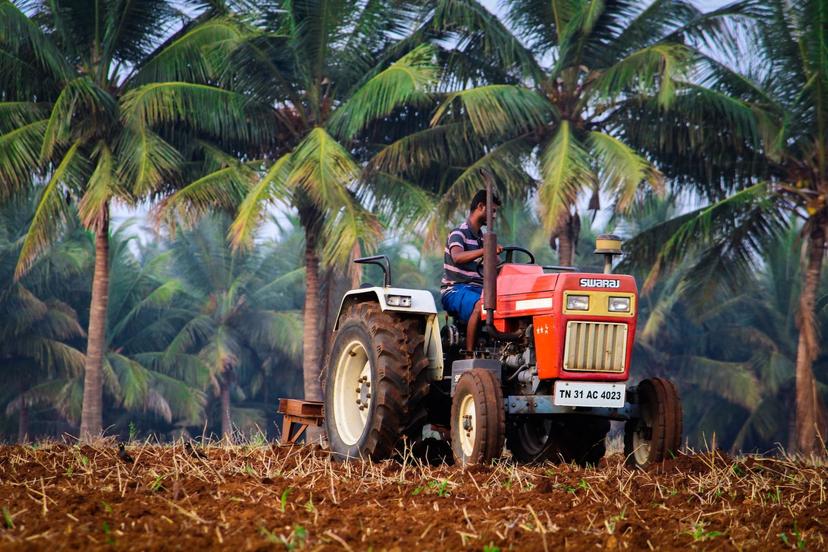
Revolutionizing Indian Agriculture: Summit on Farm Machinery Technology Empowers Small Farmers
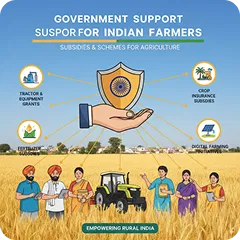
Welcome to the Summit on Farm Machinery Technology, a platform organized by the Confederation of Indian Industry (CII) and Tractor and Mechanization Association (TMA), dedicated to empowering farmers with innovative technology and machinery. Under the leadership of Prime Minister Shri Narendra Modi, the Indian government is committed to ensuring that small farmers, who make up about 85 percent of the country’s farming community, benefit from technological advancements in agriculture. With an investment of Rs. 6120.85 crore from 2014-15 to 2022-23 and the distribution of over 15.24 lakh farm machinery and equipment at subsidized rates, the government aims to enhance productivity and efficiency in the agricultural sector.
Overview
The Summit on Farm Machinery Technology is a significant gathering of stakeholders, including Original Equipment Manufacturers (OEMs), policy planners, suppliers, and product development firms, all focused on revolutionizing Indian agriculture. The conference aims to highlight the government’s efforts in promoting agricultural mechanization, training programs, and the introduction of groundbreaking initiatives to empower farmers. The Union Minister of Agriculture and Farmers Welfare, Shri Narendra Singh Tomar, graced the event as the Chief Guest, emphasizing the importance of technology in transforming the agricultural landscape. This initiative is part of the larger vision led by Prime Minister Shri Narendra Modi, ensuring progress and prosperity for farmers across the country.
Key Points on Summit on Farm Machinery Technology
The Central Farm Machinery Training and Testing Institute (CFMTTI) in Budni, Madhya Pradesh, has implemented a new system that reduces the testing time for tractors to a maximum of 75 working days, thereby streamlining the process.
The Central Government has trained 1.64 lakh workers through its four authorized test centers, enhancing their skills and expertise in agricultural machinery.
The introduction of the Agricultural Infrastructure Fund, with a staggering worth of Rs. 1 lakh crore, has seen the approval of projects worth Rs. 14,000 crore, significantly benefiting farmers.
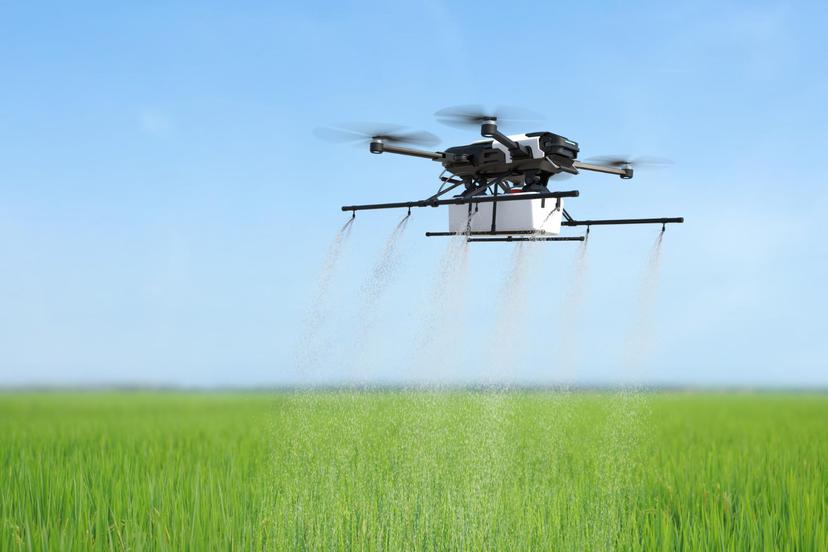
The promotion of Kisan drones, accompanied by the introduction of a drone policy and subsidies, is empowering farmers,
Subsidies for farmers reigning from SC-ST categories and women farmers are being provied. Crop-specific standard operating procedures (SOPs) for pesticide application using drones have also been issued.
Acknowledging the vital role of agriculture in the country’s economy, Shri Tomar emphasized that India is a global leader in agricultural products. This success is attributed to the hard work of farmers, contributions from scientists and the industry, and farmer-friendly government policies supported by technology.
To meet the challenges of a growing population and India’s increasing global importance, a roadmap must be prepared, considering the evolving political landscape. The government, under the leadership of Prime Minister Shri Modi, is committed to this goal, supported by a strong resolution and noble intent.
India has witnessed a remarkable work culture transformation since 2014, instilling hope in the nation and the world. The government’s initiatives have propelled India ahead of countries like America, Japan, and Germany in cashless transactions.
Utilizing wastelands for cultivation and attracting the younger generation to agriculture are priorities for the government.
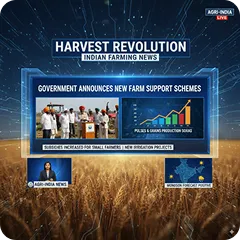
The government has increased farmers’ access to markets through e-NAM mandis and is bridging gaps in the agriculture sector. Over Rs. 1.5 lakh crore packages have been allocated for agriculture and allied sectors to further boost growth.
The government encourages the adoption of technologies like micro-irrigation to maximize water savings and improve overall efficiency.
Conclusion
The Summit on Farm Machinery Technology has showcased the government’s commitment to empowering small farmers and revolutionizing Indian agriculture through technological advancements. This Summit brings together key stakeholders, including Original Equipment Manufacturers, policy planners, suppliers, and product development firms, to drive agricultural transformation in India. With investments, training programs, and initiatives, the summit has paved the way for increased productivity, efficiency, and sustainability in farming practices. By embracing innovation and providing access to modern machinery, the summit reinforces the vision of a prosperous and technology-driven future for the Indian agricultural sector.