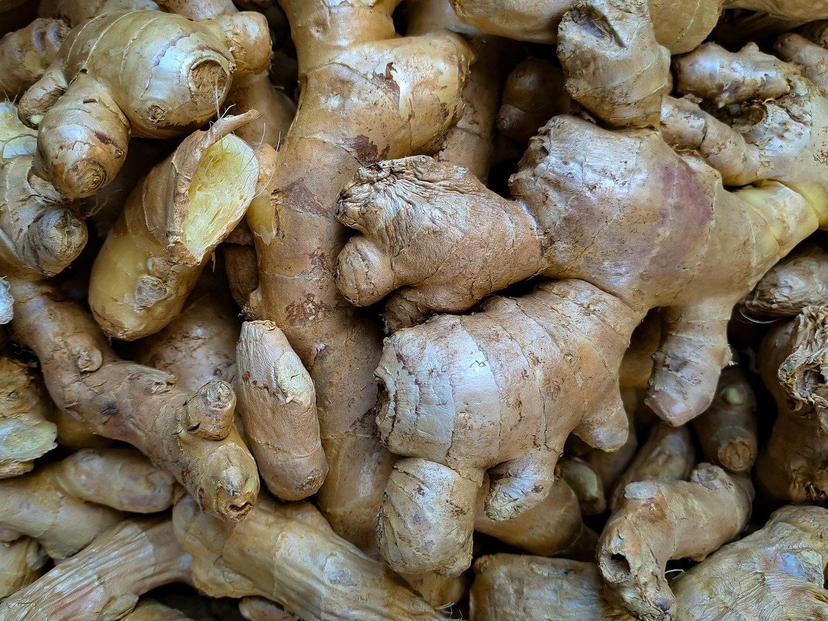
Turmeric, also known as Indian saffron, holds immense value and demand across various sectors. Not only is it used as a condiment, dye and part of religious ceremonies, but it has also gained significance in the drug and cosmetic industries due to its medicinal properties. The versatility and widespread use of turmeric ensure a consistent demand, making it a profitable crop to cultivate. So, don’t hesitate to embrace the benefits of turmeric farm. Learn in detail on how to grow turmeric crop to increase your farm productivity.
Ideal Growing Conditions for Turmeric
- Climate: Warm and humid, with temperatures between 20°C to 35°C. Annual rainfall of 1500 mm is ideal.
- Soil: Well-drained red or clay loam soils with a pH range of 4.5 to 7.5.
Best Varieties of Turmeric for Different Regions
|
States |
Varieties |
|---|---|
|
Tamil Nadu |
CO1, BSR 1, BSR 2, Erode local, Salem local |
|
Karnataka |
Kasturi, Mundaga, Balaga, Yalachaga |
|
Andhra Pradesh |
Duggirala, Kodur type, Sugantham, Kasturi, Tekurpeta, Pragati, Nizamabad bulb, Armor |
|
Maharashtra |
Sangli, Rajapore, Kolhapur |
|
Telangana |
Roma, Suroma, Rajendrasonia, Ranga, Pragathi, Armoor |
|
Kerala |
Allepey, Sudharsana, Suvarna, Wynad |
|
Orissa |
Jobedi, Dughi, Katigia, Ranga, Suroma, Roma |
Turmeric Field Preparation and Planting
- Soil Preparation: After the first monsoon showers, plough the soil deeply. Apply hydrated lime for acidic soils (200-400 kg/acre).
- Planting: Prepare beds (1m wide, 30 cm high) for light soils or ridges and furrows for heavy soils. Plant rhizomes at 25 cm spacing between plants and 45-60 cm between ridges.
- Rhizome Selection: Choose healthy, disease-free rhizomes. Use 800-1000 kg of mother rhizomes per acre.
When to grow Turmeric Crop
Turmeric planting time varies across different locations in India, depending on the receipt of pre-monsoon showers. Usually in Kerala and other areas along the West Coast where rainfall begins early, turmeric cultivation can commence during the months of April and May.
Spacing and Planting
- Beds: Make small pits with a hand hoe on the beds in rows with a spacing of 25 x 30 cm. Then fill the pits with well decomposed compost or cattle manure. Place the rhizomes in it and cover it with soil.
- Ridges and Furrow: Plant the rhizomes at a spacing of 25 cm between individual plants and 45 - 60 cm spacing between ridges.
Turmeric Nutrient Requirement
Apply organic manures like FYM (8 t/acre) and Neem cake (80 kg/acre) as basal application by broadcasting and then ploughing at the time of field preparation. Also, apply neem cake (80 kg/acre) by top dressing at 45 DAP.
The general dose of NPK fertilizer recommendation for turmeric farm in the following states;
- Kerala - 24:20:49 kg/acre
- Andhra Pradesh & Telangana - 121:51:81 kg/acre
- Tamil Nadu - 51:24:36 kg/acre
- Orissa - 24:20:36 kg/acre
- Karnataka - 49:24:49 kg/acre.
Watering and Irrigation
- Watering: Irrigate before and after planting. Continue irrigation every 7-10 days. Stop watering one month before harvest. Use drip irrigation for better efficiency.
- Mulching: Apply mulch (5-6 t/acre) after planting. Repeat at 40 and 90 days post-planting.
Intercropping and Crop Rotation
Increase farm productivity by intercropping turmeric with crops like maize, onion, or brinjal. Rotate turmeric with crops like rice, sugarcane, or vegetables to maintain soil health.
Common Turmeric Pest and Disease Control
Turmeric Pests and Control Methods
1. Shoot Borer
- Symptoms: Tunneling larvae in pseudo stems, withered central shoots, frass near bore hole.
- Management: Spray Coragen (0.4 ml/lit) or Tracer (0.4 ml/lit) from July to October.
2. Rhizome Scale
- Symptoms: Light brown/grey circular scales on rhizomes, causing shriveling and poor germination.
- Management: Discard infested rhizomes. Dip in Quinalphos solution (0.75 ml/lit) for 20-30 minutes before storage and sowing.
3. Minor Pests (Thrips, Lacewing Bug, Leaf Feeding Beetle)
- Symptoms: Leaves roll, discolor, and dry (Thrips, Lacewing). Parallel feeding marks (Leaf Feeding Beetle).
- Management: Use sticky traps (4-6 per acre). Spray Econeem plus neem oil (3 ml/lit) for Thrips and Lacewing. Use Coragen or Tracer (0.4 ml/lit) for Leaf Feeding Beetle.
Turmeric Diseases and How to Manage Them
1. Leaf Spot
- Symptoms: Brown spots with grey/white centers on young leaves.
- Management: Spray Indofil M45 (1.5-3 gm/lit) or Blitox Fungicide (2 gm/lit) at 14-day intervals.
2. Leaf Blotch
- Symptoms: Brown, rectangular spots on leaves turning yellow.
- Management: Spray Dhanuka M45 (3-4 gm/lit) or Blue Copper Fungicide (2 gm/lit) at 14-day intervals.
3. Leaf Blight
- Symptoms: Necrotic patches on leaves, spreading to entire leaf.
- Management: Spray Indofil M45 (1.5-3 gm/lit) or Zerox Fungicide (1 ml/lit) at 14-day intervals.
4. Rhizome Rot
- Symptoms: Water-soaked lesions, yellowing leaves, rotting stems.
- Management: Rotate with legumes, cauliflower, or root vegetables. Treat rhizomes with Blitox Fungicide (2 gm/lit) before planting. Drench beds with Ridomil Gold Fungicide (1-2 gm/lit).
Harvesting and Post-Harvest Processing
- Harvesting Time: 7-9 months after planting (usually between January and March)
- Method: Cut plants near the ground, irrigate before digging. Separate mother and finger rhizomes.
- Yield: Fresh rhizomes: 10-12 t/acre; Cured rhizomes: 2-2.5 t/acre.
Post-Harvest Processing Steps
- Boiling: Boil turmeric rhizomes for 45-90 minutes to enhance color and reduce drying time.
- Drying: Dry in the sun for 10-15 days, covering turmeric at night.
- Polishing: Rub the dried rhizomes together or use mechanical polishers for better appearance.
Conclusion
Turmeric farming offers high rewards with proper care. By following these practices-choosing the right variety, maintaining optimal soil and climate conditions, and managing pests and diseases-you can boost your farm’s productivity and earn high returns from this versatile crop.
Frequently Asked Questions
What is the best time to plant turmeric?
Plant turmeric after receiving the first monsoon showers, typically in April-May.
How much water does turmeric need?
Water turmeric regularly every 7-10 days, but stop one month before harvesting.
How can I control pests in turmeric farming?
Use insecticides like Coragen for shoot borers and Quinalphos for rhizome scale.
By optimizing these farming practices, you can cultivate healthy turmeric and increase your farm productivity for a profitable harvest.