Cabbage Pest Control Guide: How to Manage DBM, Aphids, and Leaf-Eating Caterpillars
Cabbage can be one of the most rewarding crops to grow, but it is also a favorite target for destructive pests. If your cabbage leaves are full of holes, curled up, or covered in sticky residue, you are likely dealing with common cabbage pests such as diamondback moth (DBM), aphids, and leaf-eating caterpillars. The good news is that with the right cabbage pest control strategy, you can protect your crop and keep your plants healthy from seedling to harvest.
In this guide, you'll learn how to identify these pests, understand the damage they cause, and apply effective control methods that work in home gardens and commercial fields alike.
Why Cabbage Pest Control Matters
Cabbage belongs to the brassica family, which includes broccoli, cauliflower, kale, and mustard greens. These crops are highly attractive to insect pests because of their tender leaves and strong scent. When pests invade early, they can slow plant growth, reduce head formation, and seriously damage yield quality.
Early action is critical. Once pest populations build up, control becomes harder and more expensive. A proactive approach helps you protect foliage, reduce pesticide use, and maintain a healthier crop overall.
1. Diamondback Moth (DBM): A Major Cabbage Pest
How to Identify DBM
Diamondback moth is one of the most serious pests of cabbage worldwide. The adult moth is small and grayish-brown, but the real damage comes from the larvae. These tiny green caterpillars feed on cabbage leaves and are often found on the undersides of leaves or near the growing center.
Look for these signs of DBM infestation:
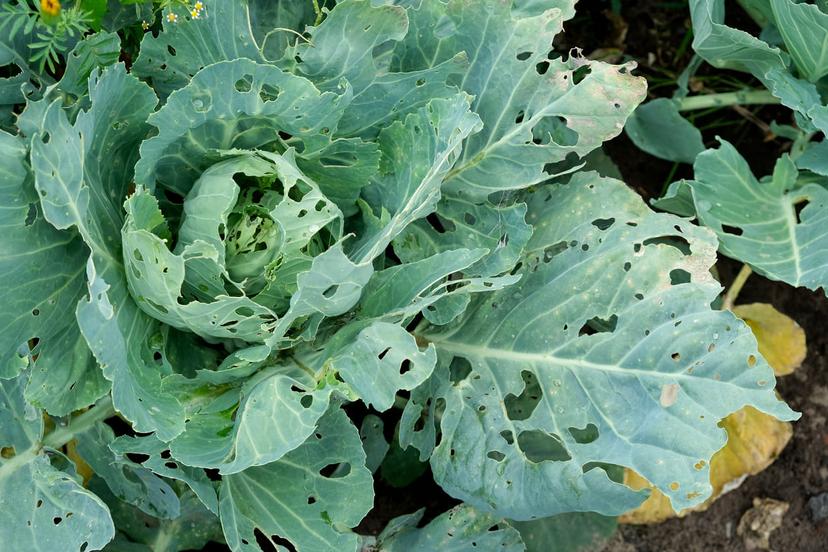
Small, irregular holes in leaves
"Window-pane" damage where only the leaf surface is scraped
Tiny green larvae that wriggle when disturbed
Silken threads on leaves
Reduced plant vigor and stunted growth
Why DBM Is Difficult to Control
DBM is known for developing resistance to many insecticides. It reproduces quickly, and multiple generations can appear in a single season. That means a few surviving larvae can lead to a major outbreak if not managed properly.
How to Control DBM
An effective DBM control plan should combine monitoring, cultural practices, biological control, and targeted sprays when needed.
Scout regularly for eggs and larvae, especially on the underside of young leaves.
Remove infested leaves where possible to reduce the pest load.
Use row covers to prevent adults from laying eggs on young cabbage plants.
Encourage natural enemies such as parasitic wasps and predatory insects.
Apply biological insecticides like Bacillus thuringiensis (Bt) when larvae are small.
Rotate insecticides with different modes of action if chemical control is necessary.
Tip: Bt works best on young larvae and must be sprayed thoroughly on leaf surfaces where caterpillars feed.
2. Aphids: Small Insects, Big Problems
How to Identify Aphids on Cabbage
Aphids are soft-bodied insects that cluster on new growth, leaf undersides, and stem areas. On cabbage, the most common species are green peach aphids and cabbage aphids. They may be green, gray, or bluish in color and often form dense colonies.
Typical aphid symptoms include:
Curled or distorted leaves
Sticky honeydew on foliage
Black sooty mold growing on honeydew
Yellowing or weakened plant tissue
Presence of winged aphids when colonies become crowded
Why Aphids Are Harmful
Aphids damage cabbage by sucking plant sap, which weakens the plant and reduces growth. Their honeydew can attract ants and encourage fungal growth. In severe infestations, aphids can also spread plant viruses.
How to Control Aphids
Controlling aphids on cabbage is easier when infestations are caught early. Here are the most effective methods:
Check plants often, especially during warm, dry weather when aphids multiply quickly.
Blast them off with water using a strong spray from a hose.
Remove heavily infested leaves to slow colony spread.
Use insecticidal soap or neem oil for light to moderate infestations.
Protect beneficial insects such as lady beetles, lacewings, and hoverflies.
Avoid overusing nitrogen fertilizer, which can encourage lush growth that attracts aphids.
In many gardens, aphids can be managed effectively without harsh chemicals if the crop is monitored closely and beneficial insects are preserved.
3. Leaf-Eating Caterpillars: Fast Feeders on Cabbage Leaves
Common Types of Leaf-Eating Caterpillars
Besides DBM, cabbage is also attacked by other leaf-eating caterpillars such as cabbage loopers and imported cabbageworms. These larvae feed quickly and can strip leaves if left unchecked.
Signs of caterpillar damage include:
Chewed holes of different sizes
Excessive leaf skeletonization
Green droppings, also called frass, on leaves
Visible larvae on the underside of leaves
Damage concentrated on outer leaves first
How to Control Leaf-Eating Caterpillars
The best control for cabbage caterpillars starts with detection. The younger the larva, the easier it is to stop.
Inspect plants twice a week during peak pest season.
Handpick caterpillars from leaves when populations are low.
Use row covers to block adult moths and butterflies from laying eggs.
Apply Bt or spinosad according to label directions for active infestations.
Maintain weed control around the field or garden, since weeds can host pest insects.
Fresh feeding damage often appears before the pests are noticed. That is why regular scouting is one of the most valuable habits in cabbage pest management.
Integrated Cabbage Pest Control Strategy
The most reliable way to manage DBM, aphids, and leaf-eating caterpillars is with crop protection through integrated pest management (IPM). This approach combines prevention, monitoring, and selective intervention to reduce pest pressure while protecting the crop and environment.
Best IPM Practices for Cabbage
Start with healthy seedlings free from pests and disease.
Use crop rotation to break pest life cycles.
Plant at the right time to avoid peak pest pressure where possible.
Install floating row covers soon after transplanting.
Scout weekly and record pest levels.
Support natural predators with flowering plants nearby.
Use targeted treatments only when needed.
IPM helps reduce resistance problems, especially with DBM, while keeping aphids and caterpillars under better long-term control.
When to Spray for Cabbage Pests
Pesticides should be used only when pest levels exceed what can be managed through physical or biological methods. If spraying is necessary, choose products that are labeled for cabbage and effective against the specific pest you are targeting.
For best results:
Spray in the early morning or late afternoon
Cover the undersides of leaves thoroughly
Target young larvae and active aphid colonies
Rotate chemical groups to reduce resistance
Always follow label instructions and pre-harvest intervals
"The most successful cabbage pest control programs do not depend on one single spray. They rely on scouting, prevention, and timely action."
Final Thoughts on Protecting Cabbage
DBM, aphids, and leaf-eating caterpillars can quickly turn a promising cabbage crop into a damaged one, but they do not have to win. With regular monitoring, good field hygiene, row covers, beneficial insects, and selective treatments when needed, you can keep pest damage under control and grow strong, healthy cabbage.
Act early, stay consistent, and use an integrated approach for the best cabbage pest control results. If you want better harvests and cleaner heads, start scouting your plants today and stop pests before they spread.