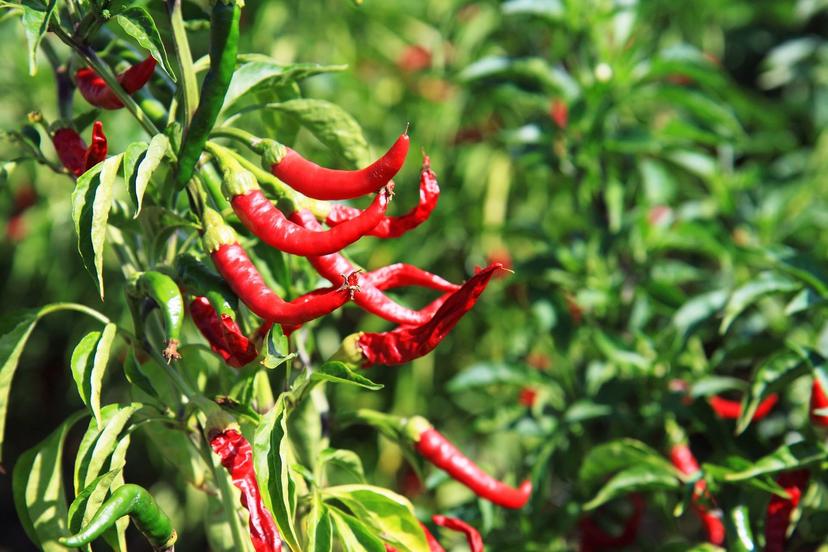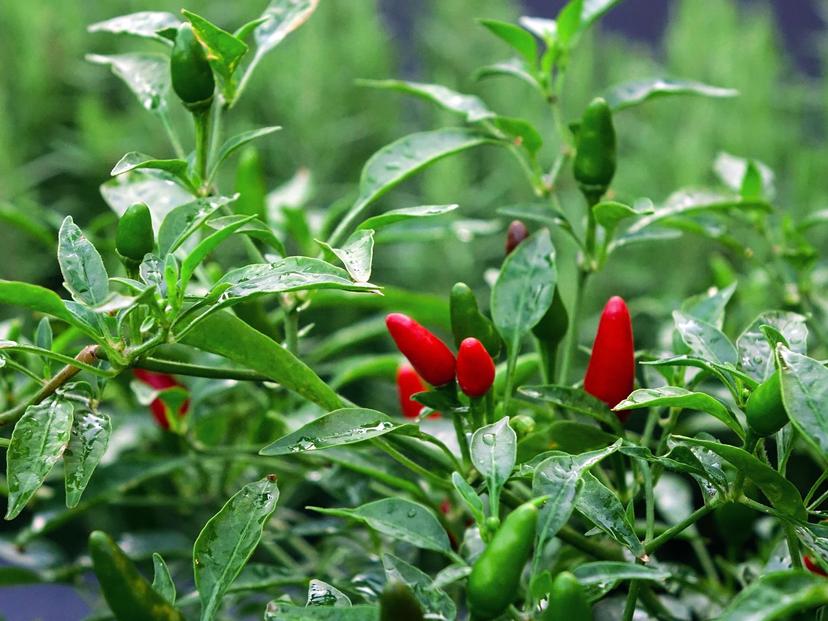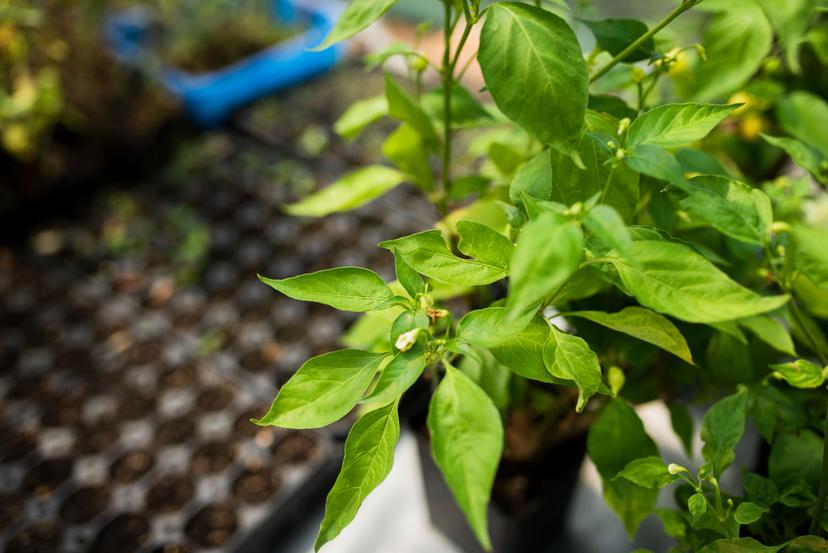
Chilli is one of the most important vegetable crops in India, both for domestic use and export. However, chilli plants are vulnerable to a range of viral diseases that can significantly impact crop yield and quality. These diseases spread through infected planting material or insect vectors like thrips, aphids, and whiteflies. Plants are most susceptible to viral diseases during early growth stages of the crop. Therefore, effective management of these diseases is crucial to ensure a successful harvest.
Viral Diseases Affecting Chilli Crop
Chilli Leaf Curl Disease
This disease is common from March to June in South India and from June to October in North India.
Caused by: Chilli leaf curl virus (Begomovirus)
Vector: Whitefly
Symptoms
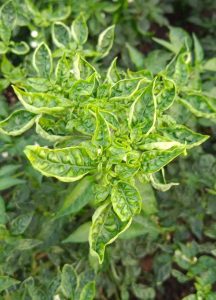
- Upward or inward curling and crinkling of leaves in affected plants
- Shortened internodes
- Reduced leaf size and number in young plants, giving a bushy appearance
- Affected leaves may turn yellow, especially at the margins or in between the veins
- Thickening of veins in leaves
- Development of leaf enations (small, wart-like growths on the leaf surface)
- Reduced flowering and fruiting
- Affected plants produce smaller and deformed fruits
- In severe cases, the affected plants show stunted growth.
Chilli Mosaic Disease
Caused by: Cucumber Mosaic Virus
Vector: Aphids
Mode of spread: The disease may also spread through mechanical contact and through seeds.
Symptoms
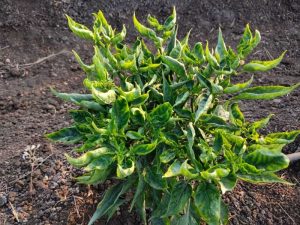
- Initially, chlorotic lesions appear on the leaves, followed by a mosaic pattern of light and dark green areas, giving them a distorted appearance
- Leaves of infected plants may become distorted, with puckering or twisting of the leaf margins
- Infected plants exhibit stunted growth and produce less fruits or hard and brittle fruits, full of seeds
- In some cases, the presence of yellow streaks can also be seen on the fruits.
Chilli Necrosis Disease
Caused by: Groundnut bud necrosis virus (GBNV), Tomato spotted wilt virus (TSWV), Watermelon bud necrosis virus (WBNV), Capsicum Chlorosis Virus (CaCV)
Vector: Thrips
Mode of spread: Through mechanical contact
Symptoms
- Yellowish spots or patches appear on the leaves with chlorotic concentric rings.
- Younger leaves show bronzing, followed by necrotic ring spots.
- The growing tips of infected plants may develop necrotic spots, leading to the death of the entire twig
- Severe stunting and cessation of plant growth may also occur
- Infected plants may produce deformed and unevenly ripe fruits in the early stages of infection
- Fruits formed after late-stage infections may show concentric rings with chlorotic spots.
Chilli Mild Mottle and Mosaic Disease
Caused by: Pepper mild mottle virus and Tobacco mosaic virus
Vector: Any sucking pests (Thrips / Aphids / Whitefly)
Mode of Spread: Seed-borne, transmitted through sap
Symptoms
- Leaves may show light and dark green areas, giving them a mottled appearance
- Interveinal chlorosis can be seen
- Leaves may be distorted or crumpled
- Reduced the number of fruits produced
- Produced fruits may also be mottled and distorted.
Preventive Measures
- Use certified virus-free seeds
- Maintain field sanitation
- Grow 2 rows of border crops (maize, jowar, bajra) 15 days before transplanting.
- Follow crop rotation with non-host crops like legumes, cereals or brassicas for atleast 2 years
- Grow virus-resistant varieties
- Remove infected plants and weed hosts
Management of Chilli Viral Diseases
There is no specific cure or control measure for viral diseases in plants. But controlling the vectors that spread the viruses, applying micronutrients to strengthen the plant’s immune system, and implementing the above-mentioned preventive strategies can be effective in managing chilli viral diseases. Plant stimulants and micronutrients help improve plant resistance and may reduce virus multiplication in plant sap.
|
Products |
Technical content |
Dosage |
|---|---|---|
|
Plant Stimulants |
||
|
Combination of rare herbs |
3 - 5 ml/lit water |
|
|
Plant Extracts |
2 - 3 ml/lit water |
|
|
Herbal formulation |
1 ml/lit water |
|
|
Micronutrients |
||
|
Ortho silicic acid (12 %) |
1 gm/lit water |
|
|
Manganese 12% |
0.5 gm/lit water |
|
|
Major nutrients - N, P, K; secondary nutrients - Ca, Mg, S and micronutrients like Zn, Mn, Fe, Cu, B & Mo |
1 tablet/15 lit water |
|
|
Micronutrients |
2.5 ml/lit water |
|
Products to control Sucking Pests (Vectors)
|
Products |
Technical content |
Dosage |
|---|---|---|
|
Mechanical |
||
|
Trap |
4 - 6/acre |
|
|
Biological |
||
|
Azadiractin 1500 PPM (0.15%) EC |
2 - 2.5 ml/lit water |
|
|
Chemical |
||
|
Thiamethoxam 25% WG |
0.3 - 0.5 gm/lit water |
|
|
Diafenthiuron 50% WP |
1 gm/lit water |
|
|
Imidacloprid 30.5% SC |
0.3 ml/lit water |
|
|
Spirotetramat 15.31% OD |
2 ml/lit water |
|
|
Carbosulfan 25% EC |
2 ml/lit water |
|
NOTE:
- Combining plant-based products, micronutrients, and pesticides can help manage
sucking pests and improve plant resistance to viral diseases.
- Check product instructions for correct timing and frequency of application.
Explore the ultimate guide to chilli cultivation for expert tips and steps to a successful harvest.Click here
Frequently Asked Questions
What are the most common chilli viral diseases?
Chilli leaf curl, chilli mosaic disease, and necrosis are the most common viral diseases affecting chilli crops.
What are the early symptoms of chilli viral diseases?
Early symptoms include yellowing, mosaic patterns on leaves, curling, and stunted growth in chilli plants.
What are the best practices for preventing chilli virus spread?
Use certified virus-free seeds, control sucking pests like whiteflies, aphids, and thrips, and maintain good field sanitation. Remove infected plants early, follow crop rotation, and grow resistant varieties to reduce the spread of chilli viral diseases.