Key Highlights
- Chilli farming can be highly profitable when the right variety, climate, and soil conditions are selected
- Proper chilli seed treatment and nursery management are essential for healthy plant growth
- Balanced chilli fertiliser management improves yield, fruit quality, and plant strength
- Timely irrigation and good drainage help avoid major crop stress and disease issues
- Regular monitoring and effective chilli pest and disease management reduce crop losses
- Choosing between green chilli cultivation and red chilli cultivation depends on market demand
- Harvesting at the right stage improves shelf life, quality, and market price
- Following the right practices at each stage ensures better productivity in chilli crop cultivation
Chilli Farming and Cultivation Guide for Better Yield and Quality
Chilli is one of the most important spice crops in India, widely grown for both green and dry markets. However, many farmers struggle with inconsistent yields, pest issues, and quality problems. The truth is, chilli farming requires careful planning at every stage—from seed selection to harvesting.
If done correctly, chilli cultivation can become a highly profitable crop with strong market demand. This guide walks you through practical, field-level techniques that actually work.
Climate and soil requirement
For successful chilli cultivation, climate plays a major role. The crop grows best in warm and moderately humid conditions, while dry weather during maturity improves colour and quality.
- Ideal temperature is between 20–25°C
- Heavy rainfall and high humidity can reduce fruit set
- Frost conditions should be avoided
The best soil for chilli farming is:
- Well-drained loamy soil
- Rich in organic matter
- pH range of 6.5–7.5
Choosing the right chilli variety
Your success in chilli crop cultivation largely depends on selecting the right variety. Different regions require different hybrids based on climate and market demand.
Some popular options include Armour F1 Hybrid, Yashaswini Chilli, HPH 5531, Royal Bullet, and Byadgi types for red chilli cultivation, while hybrids like VNR 145 are ideal for green chilli cultivation.
|
Chilli Seed |
Key Features |
|---|---|
|
Early maturing, high pungency, dual-purpose |
|
|
Early harvest, strong pungency |
|
|
Dense bearing, suitable for green and dry |
|
|
High pungency, good fruit length |
|
|
Ideal for the dry chilli market |
Don’t just plant any chilli seeds; choose the best from BigHaat!
To find more chilli seeds, click here
Time of sowing and chilli seed treatment
Proper timing is essential for both chilli farming and yield consistency.
- Jan–Feb
- Jun–Jul
- Sept–Oct
Before sowing, chilli seed treatment is critical. Treat seeds with Trichoderma viride or Pseudomonas fluorescens to prevent early-stage diseases like damping off and root rot. This small step significantly improves germination and seedling health.
Chilli nursery management and transplanting
Healthy seedlings are the foundation of strong crop performance. In chilli nursery management, seedlings are raised either in nursery beds or trays.
Raised beds should be enriched with FYM and maintained with proper moisture. In protrays, coco peat is commonly used for uniform growth.
- Nursery area for 1 acre: 40 m²
- Seedlings ready in: 30 - 40 days
The main field should be prepared with fine tilth and organic manure. Follow proper spacing:
- Varieties: 60 × 45 cm
- Hybrids: 75 × 60 cm
Chilli fertiliser management and water practices
Balanced nutrition is essential for higher yields in chilli farming. Proper chilli fertiliser management ensures consistent plant growth and fruit development.
Recommended dose:
- NPK: 48:24:16 kg per acre
|
Input |
Dosage |
Stage |
|---|---|---|
|
FYM |
10 t/acre |
Land preparation |
|
Urea |
Split doses |
Growth stages |
|
SSP |
150 kg |
Basal |
|
SOP |
13 kg + 13 kg |
Basal + later stage |
Micronutrients like boron and zinc improve flowering and fruit set.
Water management is equally important in chilli cultivation. Irrigate immediately after transplanting, then once every 7–10 days. Avoid overwatering, as chilli is sensitive to excess moisture. Drip irrigation is recommended for better efficiency.
Weed control and intercultural practices
Weed control improves nutrient availability and reduces competition.
- Use a pre-emergence herbicide
- Perform timely hand weeding
- Do earthing up at 30 days
Intercropping with onion, coriander, or groundnut improves returns and supports soil health in chilli crop cultivation.
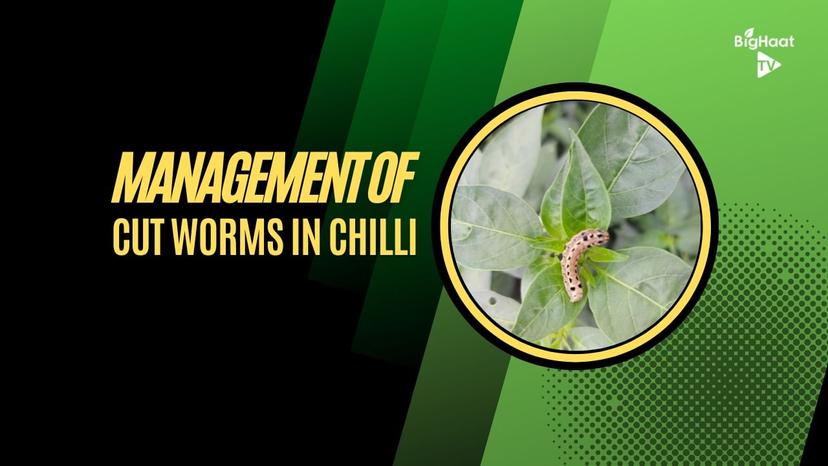
Chilli pest and disease management
Pests and diseases are major challenges in chilli farming. Effective chilli pest and disease management can prevent significant yield loss.
|
Common pests |
Common diseases |
Preventive measures |
|---|---|---|
|
|
|
Are thrips and mites causing trouble in your chilli field? Click here to learn more on how to get rid of them for good!
Protect your chilli plants from viral infections – click here to know how!
NOTE: Follow product’s label or description to know the right time of application.
Harvesting and yield
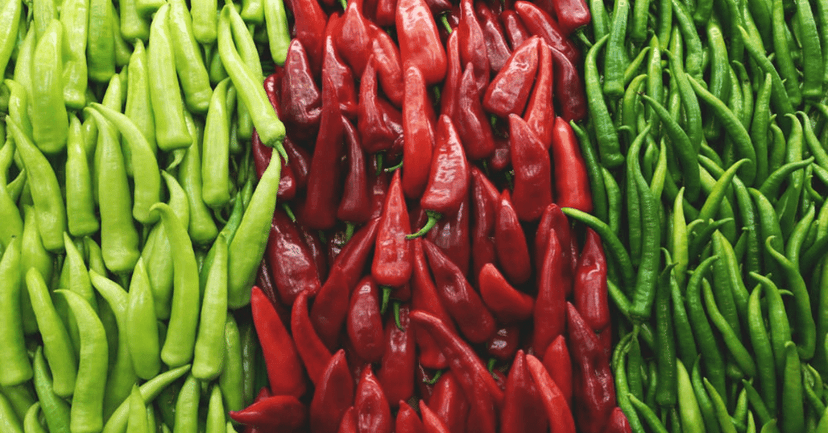
Harvesting depends on purpose. For green chilli cultivation, harvest fruits early when they are firm and green. For red chilli cultivation, allow full ripening.
- First harvest: around 75 DAT
- Interval: every 1–2 weeks
Expected yield:
- Varieties: 4–6 t/acre (green)
- Hybrids: up to 10 t/ha
Proper harvesting improves shelf life and market value.
Drying and post-harvest handling
For dry chilli, proper drying is crucial to maintain colour and quality.
- Sun dry for 7–10 days
- Turn fruits regularly
- Avoid moisture to prevent fungal growth
Uniform drying ensures better market price and longer storage.
Profitable chilli farming is not about one practice—it is about doing every stage correctly. From variety selection and chilli seed treatment to chilli fertiliser management and chilli pest and disease management, each step contributes to the final yield.
When planned well, chilli cultivation can deliver consistent income, better quality produce, and strong market demand. Start with the basics, follow proper practices, and scale gradually based on results.
Frequently Asked Questions
What is the crop duration of chilli?
The average chilli crop duration is about 90 to 120 days depending on the variety grown and the climatic conditions of the region.
What is the best season for chilli cultivation in India?
The chilli growing season in India includes Kharif, Rabi, and summer seasons depending on the regional climate and temperature conditions.
What fertilizer is recommended for chilli cultivation?
Farmers usually apply nitrogen, phosphorus, and potassium fertilizers as part of proper chilli fertilizer management to support plant growth and fruit development.
What is the spray schedule for chilli crop?
A proper chilli spray schedule includes regular monitoring of pests and applying suitable plant protection products when pest infestation is observed.
What are the important steps in chilli farming?
Important steps in chilli farming include seed treatment before sowing, proper nursery management, timely fertilizer application, adequate irrigation, and effective pest and disease management.