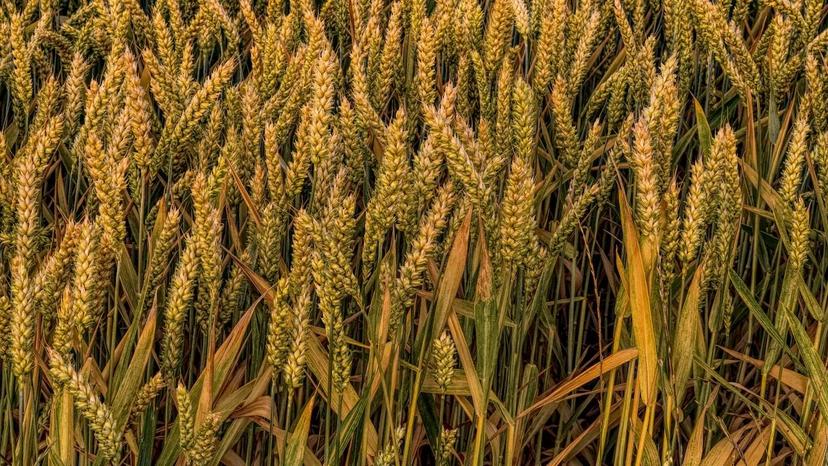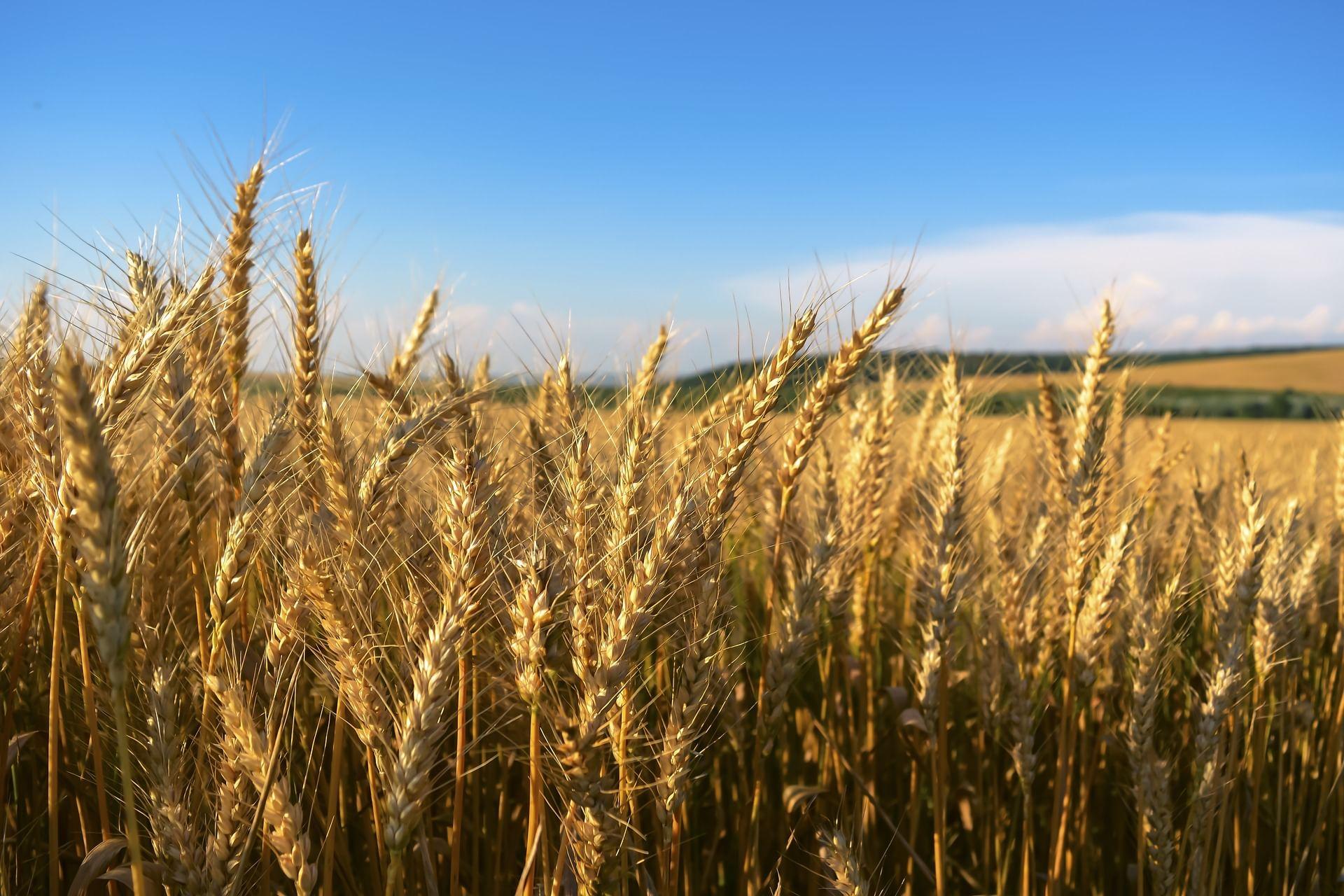
Wheat is a widely consumed staple food crop grown across the world. It is a cool-season rabi crop; it ranks first globally in area and production. In India, wheat is the second most important food grain after rice. To ensure a successful wheat crop, it is essential to understand wheat planting techniques is essential to grow a healthy and productive wheat crop.
Wheat Crop at a Glance
Botanical Name: Triticum aestivum L.
Common Name: Gehu (Hindi), Kanaka (Punjabi), Kotumai (Tamil), Gothambu (Malayalam), Godhuma (Telugu).
Crop Season: Rabi season
Crop type: Field crop
Soil Requirements
In general, wheat grows well in a wide range of soils, especially medium to heavy soils. However, well-drained loamy and clay loam soils are most ideal for wheat farming.
Varieties/Hybrids
DBW 222, PBW-502, HD 3385, HD 3226, DDW 47
Climatic Requirements
Wheat is a winter crop and suited to dry and cold environmental conditions. The temperature range from 16 to 21.1˚C and an annual rainfall between 750 to 1000 mm is suitable for optimum growth of wheat.
Package of Practices for Wheat Cultivation
Land Preparation
Wheat seeds need a clean, well-pulverised, fine, and moist seedbed. If the wheat farm has less moisture than is necessary for this sort of tilth, pre-sowing irrigation should be provided. The first plough with a soil-turning plough, followed by three to four harrowings and planking. In rainfed areas, disc harrowing should follow each productive monsoon rainfall, with planking after each harrowing to prevent clod formation and moisture loss.
When to Sow Wheat
The optimum wheat planting time ranges between the 1st fortnight of November to the 1st fortnight of December.
Seed rate and Spacing
Ideally, maintain proper seed spacing and optimum seed rate for healthy crop establishment.
- Spacing: 22.5 cm × 10 cm
- Seed Rate: 100 to 125 kg/ha.
In case of late sowing;
- Seed rate: 125 to 140 kg/ha
About 20 to 25 days after planting wheat, thinning is required to maintain the ideal plant population.
Seed Treatment
- Treat wheat seeds with Confidor Super (Imidacloprid 30.5% SL) at the rate of 0.3 ml/kg.
- To prevent loose smut, treat wheat grains with Vitavax Power (Carboxin 37.5% + Thiram 37.5% DS) at 3 g/kg seed for 6 hours.
Irrigation Schedule
A wheat crop needs 300 - 400 mm of irrigation water. In the critical periods, the crop is extremely vulnerable to water stress. The most critical stages for irrigation in the wheat crop are:
- Crown Root Initiation stage
- Jointing
- Heading and Dough Stage
Manures and Fertilizers
To improve profitability and avoid excess fertilizer use, apply fertilizers to the wheat crop based on soil test results. In irrigated conditions, apply N:P:K at 120:60:40 kg/ha. Apply half the nitrogen as a basal dose and the remaining half during the first irrigation, 30-45 days after sowing.
Inter-cultivation Practices
Hand weeding twice at 30 and 45 DAS is recommended for weed control. Apply Stomp Xtra (Pendimethalin 38.7 % CS) at 600 ml/acre as pre-emergence control and Total Herbicide (Sulfosulfuron 75% + Metsulfuron 5% WG) at 16 gm/acre during 30 to 35 DAS can be recommended for efficient control of weeds at post-emergent stages in the wheat farm.
Crop Protection (Pests and Diseases)
Pests: Wheat Crop
|
Pests |
Symptoms |
Management |
|---|---|---|
|
Wheat Aphid (Macrosiphum miscanthi ) |
- Both nymphs and adults suck the sap from wheat. - Drying and wilting of shoots occur. |
- Apply Confidor (Imidacloprid 17.8% SL) at 0.75 ml/lit of water. - Apply Police (Fipronil 40% + Imidacloprid 40% WG) at 0.2 to 0.6 gm/litre water. |
|
Armyworm (Mythimna separata ) |
- Leaf tissue is first consumed by young larvae from one side. - Larvae start to feed from the leaf edge inward by the second or third instar and start to develop shot holes in the leaves. |
- Apply Proclaim (Emamectin Benzonate 5% SG) at 80 gm/acre. - Apply Plethora (Novaluron 5.25% + Emamectin benzoate 0.9% SC) at 1.5 ml/litre of water. |
|
Ghujhia Weevil (Tanymecus indicus ) |
- Only adults of this insect cause damage. - They feed on the shoot and cut the seedlings during the initial stages of growth. |
- Apply Proclaim (Emamectin Benzonate 5% SG) at 80 gm/acre. - Apply Plethora (Novaluron 5.25% + Emamectin benzoate 0.9% SC) at 1.5ml/litre of water. |
|
Termites (Odontotermes obesus ) |
- Termitariums were created. - Plants dry off and are easily pulled out when removed. |
- Apply Miyogi (Chlorpyrifos 50% + Cypermethrin 5% EC) at 400ml/acre. |
|
Shoot fly (Atherigona soccata ) |
- Dead hearts - Decay of shoots - Bushy appearance |
- Apply Confidor Super (Imidacloprid 30.5% SL) at 0.3 ml/lit of water. |
|
Pink Stem borer (Sesamia inferens ) |
- Dead heart at vegetative stage, which turns brownish, curls and dries off. - White ears appear during the flowering stage.
|
- Apply Zygant (Flubendiamide 0.7% GR) at the rate of 5 kg/acre. - Apply Ferterra (Chlorantraniliprole 0.4% GR) at the rate of 4 kg/acre. |
Common Diseases: Wheat Plant
|
Disease |
Symptoms |
Management |
|---|---|---|
|
Black or stem rust (Puccinia graminis tritici ) |
- Rust-like pustules appear on the stem. - Later, these pustules turn darker and black. |
- Apply Amistar Top (Azoxystrobin 18.2% + Difenoconazole 11.4% SC) at the rate of 1 ml/lit of water. - Apply Avancer Glow (Azoxystrobin 8.3%+ Mancozeb 66.7% WG) at the rate of 600 gm/acre. |
|
Yellow rust (Puccinia striformis) |
- Yellow coloured uredospores damage the interveinal regions. - It gives a stripe like appearance. |
- Apply Benmain (Carbendazim 50% DF) at 2 gm/lit of water. - Apply Nativo (Tebuconazole + Trifloxystrobin 75% WG) at 0.6 ml/lit of water. |
|
Brown or orange rust (Puccinia recondite) |
- Orange coloured pustules appear on the leaf. - They are irregularly distributed. |
- Apply Custodia (Azoxystrobin 11% + Tebuconazole 18.3% SC) at the rate of 1.5 ml/lit of water. |
|
Karnal bunt (Neovossia indica ) |
- The affected plants give out a foul smell. - The affected grains are usually covered with black sooty powder like substance. |
- Apply Luna Experience (Fluopyram 17.7%+ Tebuconazole 17.7% SC) at the rate of 1 ml/lit of water. |
|
Loose smut (Ustilago nuda tritici) |
- Sooty black spores appear on the emerged ear heads. - Wheat grains turn out to be sterile. |
- Apply Conika (Kasugamycin 5% + Copper Oxychloride 45% WP) at 2 gm/lit of water.
|
Average Yield: Wheat Farm
The yield of wheat usually ranges between 3 to 4 t/ha on average.
Harvesting and Threshing
Harvest the crop with sickles when the wheat plant turns completely yellow, then leave it to dry in the field. Thresh to separate wheat grains, followed by winnowing and packing.
Frequently Asked Questions
Q1. What is the best time for wheat planting in India?
The ideal wheat planting time in India is between the 1st fortnight of November and the 1st fortnight of December, during the rabi season.
Q2. What is the recommended seed rate for wheat farming?
Wheat seeds should be sown at 100-125 kg/ha for timely sowing and 125-140 kg/ha for late sowing, in lines spaced at 22.5 cm × 10 cm.
Q3. How do I treat wheat seeds before sowing?
Treat wheat seeds with Vitavax Power (Carboxin + Thiram) at 3 g/kg to prevent loose smut, and with Confidor Super (Imidacloprid) at 0.3 ml/kg to protect against shoot fly.