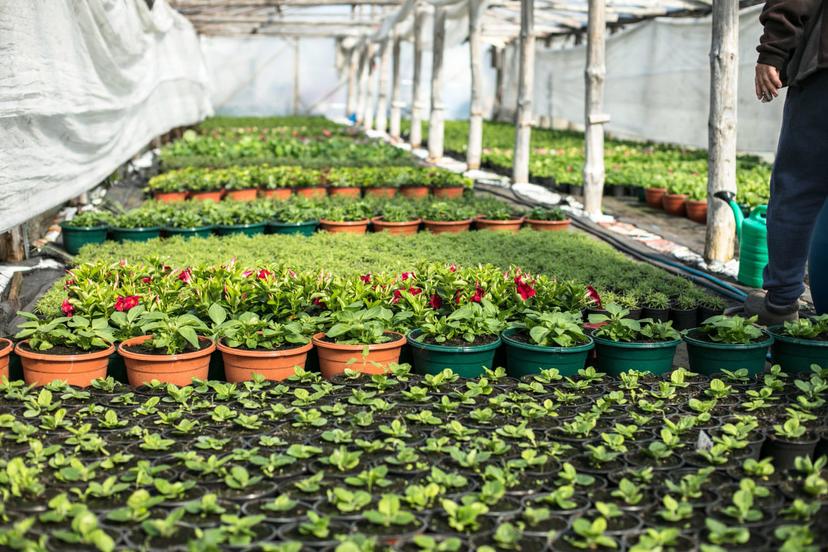
Polyhouse or protected cultivation is one of the fastest-growing segments of Indian agriculture. A well-managed polyhouse can give 3 to 5 times higher yield per acre than open-field vegetables, with better quality, year-round production, and premium prices. Success depends on the right structure, smart climate control, and disciplined crop management.
1. Choose the Right Polyhouse Structure
- Naturally ventilated polyhouse: most popular in India, suits temperate to tropical climates.
- Fan-pad cooled polyhouse: for hot, arid zones (Rajasthan, parts of Gujarat).
- Shade-net house: low-cost option for leafy greens and short-cycle vegetables.
- Use 200-micron UV-stabilized polyethylene film with at least 5 to 6 year life.
- Galvanised iron framework prevents rust and adds durability.
2. Site Selection and Orientation
- Choose flat, well-drained land with good sunlight (no nearby tall trees).
- Orient the structure North-South for uniform light.
- Ensure clean water source nearby — borewell or tank.
- Approach road for input and produce movement.
3. Best Vegetables for Polyhouse in India
|
Crop |
Why Polyhouse Works |
|---|---|
|
Capsicum (coloured) |
Year-round demand, 4–5x yield |
|
Cherry / Salad Tomato |
Premium price, long crop cycle |
|
Cucumber (parthenocarpic) |
Continuous fruiting, no pollination needed |
|
Leafy greens |
Quick turnover, off-season pricing |
|
Strawberry / Exotic herbs |
Climate-sensitive, premium markets |
4. Soil Preparation and Bed Design
- Test soil for pH, EC, NPK, and micronutrients before planting.
- Soil solarisation in summer (cover beds with clear polythene for 4 to 6 weeks) kills soil pests and pathogens.
- Make raised beds 30 to 40 cm high, 90 cm wide, with a path between beds.
- Add 8 to 10 tonnes of well-decomposed FYM or compost per 1000 sq m.
- Apply Trichoderma viride and Pseudomonas fluorescens for biological protection.
5. Drip Irrigation and Fertigation
- Drip irrigation is essential — flood irrigation cannot be used.
- Install inline drippers with 2 to 4 L/hr discharge.
- Use fertigation tanks or Venturi for daily nutrient feeding.
- Monitor EC of irrigation water (ideal 1.2 to 2.0 dS/m) and pH (5.8 to 6.5).
- Follow crop-specific N-P-K-Ca-Mg schedule based on stage.
6. Climate Control
- Maintain temperature 18 to 28 °C and humidity 60 to 80 percent.
- Use side curtains, top vents, and shade nets to control heat.
- Install foggers or misters in hot, dry conditions.
- Use exhaust fans and cooling pads in fan-pad systems.
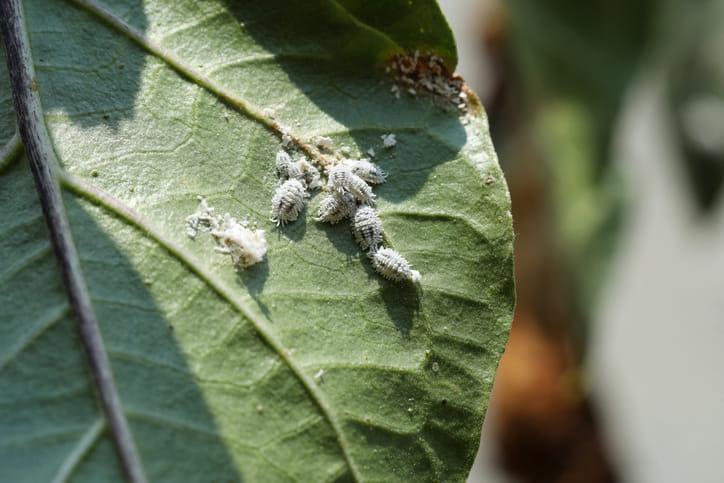
7. Integrated Pest Management (IPM)
- Install 40 to 50 mesh insect-proof net on side openings.
- Use yellow and blue sticky traps (50 to 80 per 1000 sq m).
- Release Trichogramma and Chrysoperla for caterpillars and aphids.
- Spray neem oil regularly; use chemical insecticides only above ETL.
- Maintain footbath and disinfection at entry to prevent disease entry.
8. Crop Training and Pruning
- Train tomato and capsicum on twine to a single or double stem.
- Remove suckers regularly to direct energy to fruits.
- Defoliate lower leaves for airflow and easier pest monitoring.
- Maintain plant population as per crop and variety.
9. Common Mistakes to Avoid
- Reusing infected soil season after season without solarisation.
- Over-fertigation, leading to salt build-up.
- Neglecting humidity control, leading to fungal outbreaks.
- Choosing wrong variety — open-field hybrids often fail in polyhouse.
- Skipping insect-proof nets on side vents.
Conclusion
Polyhouse vegetable farming is a high-investment, high-return system. Success comes from the right structure, careful crop selection, disciplined irrigation and nutrition, and strong IPM. Get a soil test done, follow product label instructions, and consult your local KVK or horticulture department before starting.