If you are applying fertilisers regularly but still not getting the expected yield, the problem may not be nutrients alone. Many farmers face this issue. The soil becomes hard, nutrients get locked, and roots do not grow properly. This is where humic acid for plants can make a visible difference.
Let us understand clearly how to use it in the right way for better crop growth and higher yield.
What exactly does humic acid do in soil?
In simple words, humic acid for plants improves soil conditions. It makes the soil loose, improves water-holding capacity, and helps roots absorb nutrients easily. When roots absorb nutrients properly, crop growth improves naturally.
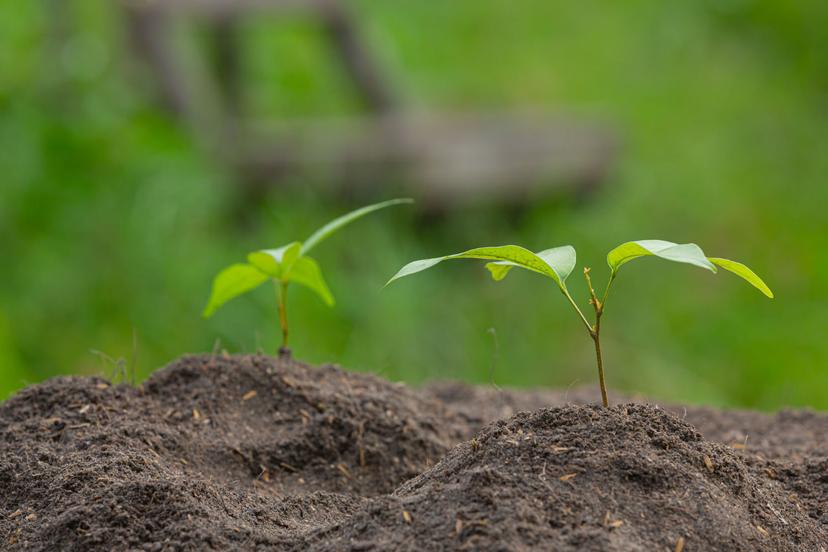
Many farmers who regularly use humic acid for plants notice stronger roots, better flowering, and uniform crop development.
When should you apply humic acid?
Timing matters. For best results:
- Apply at the time of land preparation
- During the early vegetative stage
- At the flowering stage for fruit and vegetable crops
Regular use during crop growth gives better results than a one-time heavy application.
This is why many experts talk about humic acid benefits for plants, humic acid for plant growth, humic acid uses in agriculture, and humic acid dosage for plants together. Correct timing and correct method both matter.
Methods to use humic acid in fields
There are mainly three methods farmers use:
1. Soil application
Mix humic acid with water and apply through drip irrigation or flood irrigation.
You can also mix it with FYM or compost before broadcasting in the field.
2. Drip irrigation
This is one of the best ways. It directly reaches the root zone and improves nutrient uptake.
3. Foliar spray
Though mainly used in soil, some farmers spray it on leaves for quick absorption.
Always remember that understanding humic acid benefits for plants, humic acid for plant growth, humic acid uses in agriculture, humic acid dosage for plants together helps you avoid mistakes.
What is the right dosage?
Dosage depends on crop type and product concentration. But generally:
- For soil application: 1–2 kg per acre (powder form)
- For liquid form: 500 ml to 1 litre per acre
- For drip: As per label recommendation
Never overdose. More quantity does not mean more yield. Balanced use gives better results.
Farmers often ask about correct quantity, and that is why humic acid benefits for plants, humic acid for plant growth, humic acid uses in agriculture, and humic acid dosage for plants should always be understood together before application.
Visible results farmers can expect
When applied correctly, humic acid for plants helps in:
- Better root development
- Improved nutrient absorption
- Reduced fertiliser wastage
- Better resistance to stress
- Improved crop uniformity
Many farmers report that regular use of humic acid for plants improves soil health over time and reduces input costs in the long run.
Again, the key is understanding humic acid benefits for plants, humic acid for plant growth, humic acid uses in agriculture, humic acid dosage for plants, and applying it correctly.
Final advice for farmers
Do not treat it as a magic fertiliser. Think of humic acid for plants as a soil conditioner that supports fertilisers to work better. If your soil is weak, roots are small, or crops look uneven, it can help.
Start with the recommended dosage. Observe results. Continue in small regular intervals. Healthy soil always gives better yields.
Frequently Asked Questions
1. What is humic acid for plants used for
Humic acid for plants is mainly used to improve soil structure, increase nutrient availability, and support better root development for healthy crop growth.
2. When should farmers apply humic acid for best results
Farmers can apply humic acid during land preparation, early vegetative stage, and flowering stage. Regular use in small doses gives better results than one heavy application.
3. What is the recommended humic acid dosage for plants
Humic acid dosage for plants depends on crop type and product concentration. Always follow the label instructions of the product to avoid overuse.
4. Can humic acid be applied through drip irrigation
Yes, humic acid can be applied through drip irrigation, soil drenching, or mixed with compost. Drip application helps it reach the root zone directly.
5. What are the main humic acid benefits for plants
Some key humic acid benefits for plants include better root growth, improved nutrient absorption, improved soil condition, and more uniform crop development when used properly.