blogsHomeHeroBanner

తాజా కథనాలు

Image

15 Steps to Boost Cauliflower Production

Mohit J

-

03 November 2022

Do you want to earn bulk profits from cauliflower farming? Ditch the complex ways of cauliflower cultivation and follow the 16 easy steps for adequate growth and profitable yield of cauliflower. A step-by-step guide to implementing the organic growth of cauliflower varieties, including preparation, selection, tips, and technique to achieve high yield. Table of Contents 15 Steps to Boost Cauliflower Production. Introduction to Cauliflower Cultivation Light and soil requirements for cauliflower growth Pick the seed patiently Choose a suitable place for growth. Correct planting process of cauliflower How to grow a massive head of cauliflower Requirement of water Expand the size Adequate spacing Removal of bolt Fertilization Reasons for small head Management of weed Reasons for spreading heads Preventions Harvesting FAQs Name three cauliflower varieties? Which seeds are best to grow cauliflower varieties? How to do after-care for soil? Introduction to Cauliflower Cultivation Cauliflower is a nutrition-packed vegetable that grows in several parts of the world in the winter season. The Cole family consists of cauliflower, Broccoli, Kale, Brussels sprouts, Collards, and Kohlrabi. The scientific name of cauliflower is Brassica oleracea var. Botrytis. The vegetable is even available in summers because of technologically supported storage. Cauliflower dominate many Indian household meals and offer a vibrant taste to the food. The attractive color also attracts and activates appetite, boosts the metabolism, and motivates healthy functioning of the body. Cauliflower cultivation is developing roots due to health advantages. Like broccoli is a favorite meal option of fitness or gym freaks. How often do you eat the cauliflower?  Well, here are well-tested, proven 16 ways to increase the growth of cauliflower cultivation. Cauliflower farming Light and soil requirements for cauliflower growth Sandy and loamy soil is the top preference for growing cauliflower varieties. The soil must be well-drained, moist, and rich with organic nutrients. The cauliflower extracts moist very fast from the soil to avoid buttoning in the crop. The soil’s pH level must lie between 6.5-6.8, which makes the soil acidic and indirectly protects from root diseases.  Due to improper light reach to cauliflower heads, they turn pale or yellow, which customers do not prefer. Sunlight plays a vital role in producing white head cauliflower varieties. Very often, farmers cover the head of the flower to keep them bright white  Pick the seed patiently Most farmers make the same mistake of not reading information available on seed packets. It results in the crop being unsuitable for the USDA Hardiness Zone.  The maturity and growth must match the present climate as cauliflower cultivation requires 15-21 degrees temperature to harvest on time. Either sow in autumn or spring; choose seeds with a minimum maturity period with temperature acceptance or tolerance. Choose a suitable place for growth Search for a solar farm with partly shades to grow cauliflower varieties to gain all the energy from the sun. Sun’s energy will activate the growth even faster and turn into a big white head cauliflower. The right time and care can boost cauliflower plant’s growth in mixed soil without any geographical boundaries. Correct planting process of cauliflower Prepare the land before the plantation to provide adequate growing space and air circulation. Make 30 inch gaps between rows and 18-24 between each plant. Plant the crop deep down to avoid the overweight issue during the growing phase. The plant of cauliflower varieties requires adequate moisture and can’t stand in dry soil at high temperatures. If you want to harvest in fall, plant 8-12 weeks before the autumn’s first frost with a temperature around 23 degrees. If the temperature falls and becomes extra cold for the crop, consider covering with old milk jugs. Covering will prevent button development. How to grow a massive head of cauliflower To grow the big head of cauliflower, opt for organic or hybrid seeds at the right temperature. It takes 50-55 days to produce the cauliflower with big heads and loads of nutrients. Requirement of water As the cauliflower varieties extract moisture from the soil, irrigation is most important but make sure to assess the soil and climate before watering. Water supply of 1 inch once a week is recommended, such that it should soak in 6-8 inches of soil. The most amount of water is needed till the germination of seeds and formation of the flower. In summer, watering once a day becomes necessary but continuously check the soil needs and climatic conditions.   Expand the size Cauliflower farming Maintain the moisture in the soil; keep checking the temperature to maintain the right ecosystem for cauliflower varieties. Try to cut down the hindrance in the way of fuller crop growth. Some conditions are humidity, cold or extremely hot weather, and pests. Weeding should be done whenever needed or whenever the weed growth is observed. Adequate spacing Make rows for plantations of different cauliflower varieties to avoid confusion. Make rows with a 30-35 inches gap and a 21-25 inches gap between each plant. This practice will promote air circulation and prevent over-shadowing. Removal of bolt pluck the bolts developed in the cauliflower due to extreme hot or cold temperatures. Fertilization Fertilizers are proven heroes for boosting nutrients and moisture in the soil and high-yield crops. The cauliflower crop needs NPK(48:24:24 Kg/acre.) full doses of P and K as basal, half dose N at 15 days after transplanting and the remaining N after 45-55 days. Reasons for small head There are plenty of reasons for small head cauliflower, such as soil deficiency, seedling stress, overcrowding, climate fluctuation, inadequate drainage, less moisture, insects, and diseases. Management of weed Weed control once a week is essential. It directly protects the soil. Choose the organic options for weeding as they become a hindrance to yield. Reasons for spreading heads The reasons behind spreading heads of cauliflower varieties can be random climate fluctuation, ruined head of crop, drought, insufficient irrigation, and less nutrition through the soil. Decrease irrigation at the maturity phase, let the flower breathe, avoid excess NPK and partly cover the farm to prevent excess rainfall water. Care tips for yield  Keep an eye on beetles, worms, and other pests to save both the cauliflower heads and roots. Provide enough space and avoid overshadowing to promote individual growth. Maintain moisture in the soil, control the fertilizer portions, formulate the uncertainties, and prepare for it. Preventions Follow a few practices that directly or indirectly incorporate health into the crop. Such activities are container plantation, resistance cauliflower varieties, crop rotation, and avoiding excess nitrogen. Harvesting Once the crop reaches the growth phase, the heads grow quickly. It takes 50-70 days to ripen cauliflower varieties fully. After the leaves start turning pale, in 7-10 days it is ready to harvest. Cut the cauliflower from the main stem with few leaves attached to it, to protect the head. Make sure to export them as soon as possible as they lose quality fast. Cauliflower farming FAQs Q1. Name three cauliflower varieties? – Here are the three wide cauliflower varieties: First season crops include early synthetic, Pusa Katki, Early kunwar, Pant gobhi 2, and 3. Major season crops include Punjabi Giant 35, Pant synthetic, Punjabi Giant 26, and Pant shubhra. Last season crops such as Dania Kalimpong, Snowball 16, and Pusa snowball 1 and 2. Q2. Which seeds are best to grow cauliflower varieties? – These are the five cauliflower varieties with short maturity phases and high-temperature tolerance. Snow king Snow crow. Snowball 123 Imperial -10 Self-Blanche Q3. How to do after-care for soil? – The cauliflower varieties draw plenty of moisture from the soil and leave it dry. Prepare a consistent routine to keep the soil moist and fertile for the next crop session. Spread organic fertilizers, compost, manure, vermin-waste, liquid fertilizers, and proper irrigation. Note: The information contained herein is for informational purposes only. Nothing herein shall be construed to be financial or legal advice. Pesticides are a considerable risk of loss in crops and viewers are advised to do their own research before making any decisions.
Image

Nutritional needs of Maize crop and application of Fertilizers

Swati

-

04 November 2022

  Maize rewards so much nutrition to our body but do you know where maize gains the food? Well, it gains nutrients from the soil, indicating the first requirement for maize farming. Only premium quality soil can take the load of maize, and to maintain the nutrient level of soil, it needs a regular boost. Nutrients such as nitrogen, phosphorus, potassium, and organic fertilizers will rejuvenate soil fertility and soil nutrition. The maize crop is a stable food option and a significant crop for farmers in many parts of the world. Let’s read about the fertilizers that are best for both soil and maize crops. Table of contents Nutritional needs of maize crop NPK and other nutrients for growth Manure & compost Fertilizer for irrigated and rainfed maize crop FAQs What is the pre-treatment of biofertilizer and seeds? What are the options available in the Organic management of nutrients? What is the ratio of NKP for maize crops? Nutritional needs of maize crop Maize farming Maize crop requires high-level nutrition from soil which needs premium quality fertilizers. Perform a soil test before adding the proportion of fertilizer to the ground. Maize crop needs 40 % N, 25% P,  20% K, and the remaining small portion of micronutrients for better and high yield. NPK and Zn are the best sources for crop growth and a good yield of maize, either organic or inorganic fertilizer, is required for the entire crop growth period. Fertilizer requirements for the maize crop will be based on selected varieties. NPK and other nutrients for growth Apply recommended NPK fertilizers as per soil test. If there is no soil test then adopt a blanket recommendation of 27.4 kg N, 4.8 kg P, and 18.4 kg K. per acre.  check for the extra husk or crop residue and organic waste present in the soil then we have to give nutrients as per the requirement of the soil and crop. Excess nitrogen can degrade soil fertility, and crop growth and reduce the yield of the crop. Phosphorus helps in the overall development and root growth of crops. It also reduces resilience and frostbite. Potassium plays a vital role in regulating water, and sugar in the crop. Potassium is essential at the mid-stage i.e., cob initiation and silking stage of maize crop. The application of micronutrients, like calcium, sulfur, Magnesium, Boron, and zinc are great nutrients required for crops and soil which will help in the retention of soil fertility and also increase the crop yield.  Manure & Compost To increase the productivity of the maize crop, well-decomposed compost is necessary. Mix the soil with  FYM of 4-5  tonnes per/acre 25 days before sowing the crop in order to increase soil fertility, crop growth, and crop yield.  Fertilizer requirement for irrigated and rainfed maize For Irrigated maize, choose FYM or compost at  4-5 tonnes per acre during land preparation before sowing, application of 1-2 kg of Azospirillum will help in increasing the soil fertility for good crop growth.  Follow the same amount of FYM or compost or coir pith in rainfed soil and spread it. Next, take ten packets of Azospirillum and phosphobacteria, or 4 kg of Azophos, and leach in the ground. Rainfed maize crop needs more fertilizer than compared to irrigated maize crop. FAQs Q1. What is the pre-treatment of biofertilizer and seeds? Ans. Seeds must be treated with 600g/ha of Azospirillum and phosphobacteria.  Q2. What types of organic fertilizers are used to improve the nutrients in maize crops by adding soil? – There are the best four fertilizers options that can help the growth and add the right amount of nutrients for the maize crop:- Green manuring. Application of soil Azospirillum/Azotobacter with VAM and PSB. add straw or compost and leave 10-30% of crop residues like wheat, paddy, and maize crop. Pre-treatment of regular and hybrid seeds. Q3. What is the ratio of NPK for maize crops? – Make sure to check the requirement of NPK in the soil and prepare a balanced mixture of 140 N, 65 P, and 50 K – Kg/ha-1. Note: The information contained herein is for informational purposes only. Nothing herein shall be construed to be financial or legal advice. Pesticides are a considerable risk of loss in crops and viewers are advised to do their own research before making any decisions.

అగ్ర ఎంపికలు

తాజా వార్తలు

జాతీయ పథకాలు

వ్యాధులు & తెగుళ్లు

Image

Tiny Terror - Diamondback Moth Threat to Cabbage Fields

yamini

-

07 January 2026

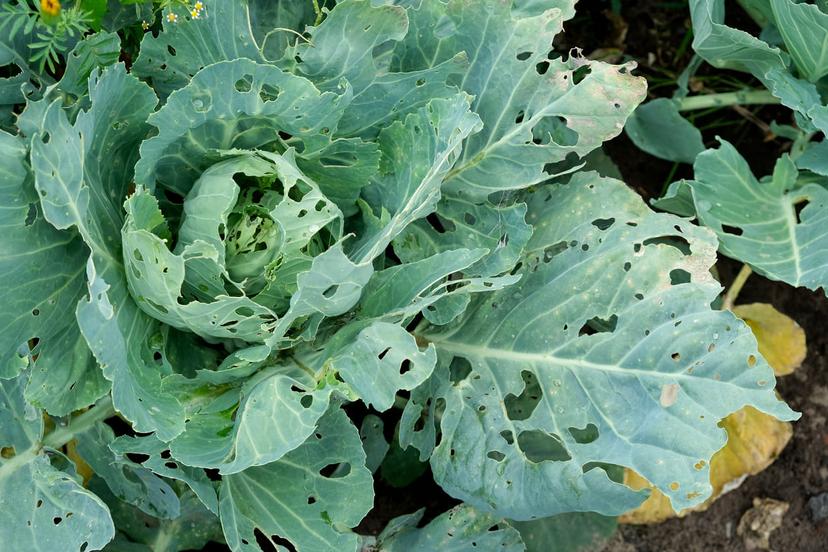
IntroductionDiamondback moth (Plutella xylostella) is one of the major pests that affects cabbage crops. These are the tiny insects that have potential to cause economic losses that may range between 30% to 90%. They also attack other crop of the family such as cauliflower, knol-khol, etc. Diamondback moth feeds aggressively on the crop canopy leading to huge loss at market value, hindered plant growth leaving the crop unfit for sale. These insects are a major challenge for the growers due to their commendable ability to develop resistance to insecticides. This may limit the use of insecticides multiple times leading to higher cost of production. For farmers, this means increased spending on pest management, reduced profitability, and significant threats to food security. In a world where vegetable production is vital to nutritional and economic wellbeing, managing the diamondback moth is no longer optional-it is a necessity for ensuring healthy crops and stable livelihoods.Cabbage Diamondback Moth SymptomsYoung larvae scrape the lower sides of leaves, resulting in thin, transparent patches. These transparent patches dry out eventually and appear as holes on leaves.Young caterpillars feed on the leaves in an irregular pattern making them look like shot holes. In severe cases, larvae feeding on leaves, sometimes between the veins leads to skeletonization of the canopy. This impacts the photosynthetic activity of the plant, thus reduced yield. Fine silk webbing and small, dark frass pellets may be found on the underside of leaves. This is a clear sign of active larval feeding.Damaged plants exhibit stunted growth and look deformed.Larvae often hide within cabbage heads, and feed on them making them unfit for marketing.Favorable ConditionsThe pest can be transported by human activity to new areas. They usually thrive well in hot temperatures ranging between 100 C to 300 C accompanied by high humidity. Rainfall can greatly influence the population dynamics of DBM.Diamondback Moth in Cabbage Preventive MeasuresAvoid transportation of pests by human activity which leads to its introduction in new areas.Grow cabbage varieties that are resistant or tolerant to diamondback moth attack.Avoid planting during the hot season or dry areas, which is favorable for the moth to reproduce.Remove and destroy alternate hosts and all debris and stubbles.Maintain plant hygiene and keep plant promptly and sanitize field before planting.Diamondback Moth Management PracticesCultural PracticesFollow crop rotation with non-cruciferous crops. Since non-crucifers do not host diamondback moths, they can be eradicated from the field completely.Adopting intercropping system with tomatoes in 20:1 ratio can reduce damage (20 lines of cabbage and one line of tomato)Frequent irrigation can reduce moth reproduction thereby their populationMarigold can be planted as a trap crop to avoid damage to the main crop. Marigold acts as an alternate host to these insects, hence insect damage can be avoided on the main crop, i.e. cabbage.Remove and destroy all the debris and stubbles after harvesting crops and plough the land to disrupt the development of pests.Collect and destroy diamondback moth larva during the initial stage of pest attack.Use pheromone traps @12 per hectareBiological Control Methods The damage can be reduced by using biocontrol agent Bacillus thuringiensis. It disrupts the digestive system of DBM when it eats leaves treated with Bacillus thuringiensis.Beauveria bassiana can also be used as biocontrol agent to control DBMDiadegma semiclausum, a parasitic wasp can be released at 50000/ha after 60 days of planting cabbageNeem seed kernel extract can be used at 5%Chemical Control MethodsFollowing chemicals at prescribed rate can be used to control the insect damage:Product nameTechnical contentDosagePager InsecticideDiafenthiuron 50% WP0.8-1.2 g/liter of waterGracia InsecticideFluxametamide 10% EC 0.8 ml/liter of waterProclaim InsecticideEmamectin benzoate 5% SG0.4 g/liter of waterBrofreya InsecticideBroflanilide 20% SC 0.25 ml/liter of waterTakumi Insecticide Flubendiamide 20% WG 0.5 g/liter of waterConclusionTo conclude, diamond back moths pose a serious threat to crucifers, especially cabbage. The amount of losses incurred may last up to 90% if not managed during the early stages. To prevent these tiny monsters from devouring your crops within a short duration and to safeguard your crop from further losses, an effective control strategy is very important. Instead of going for single management practice, it is better to adapt to integrated pest management strategies to protect your crop from dangerous diamondback moths in an environmentally safe way. Effective control not only protects yield and crop quality but also supports farmer profitability and long-term agricultural sustainability.
Image

Fighting the Wheat Rust Menace: Prevention, Detection, and Control

yamini

-

07 January 2026

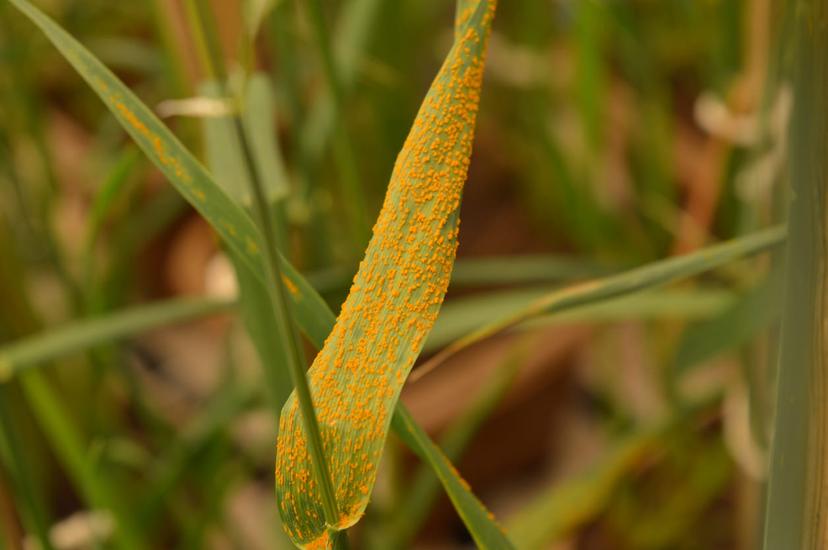
IntroductionWheat rust is one of the major fungal diseases that attacks wheat crops, particularly in wheat-growing regions of India. Rust of wheat is caused by fungi belonging to Puccinia genus, which can spread through the air and has the potential to travel thousands of miles and infect the wheat crop. Wheat Rust is a persistent and devastating threat to wheat production worldwide. Every year, substantial yield losses are caused by the three main forms of wheat rust: black rust (Puccinia graminis), brown rust (Puccinia triticina), and yellow rust (Puccinia striiformis). Under ideal environmental conditions, like high humidity and moderate temperatures, it can spread quickly, severely damaging wheat crops.Millions of hectares of wheat-producing land are affected by wheat rust, leading to significant economic losses annually. Depending on the severity of the outbreak and the susceptibility of the wheat variety, crop losses can range from 10% to 50%. and in extreme cases, entire harvests may be destroyed, impacting wheat market prices. To avoid such losses, effective disease management is very important. Effective control methods range from mechanical control to chemical control. In this article, let’s know about the disease, pathogens, favorable conditions, and control measures.Wheat Rust SymptomsStem Rust: Also known as Black Rust is caused by the fungus Puccinia graminis. It is known for its large, spindle shaped bumps on stem area. These bumps are reddish-brown which turn black as the disease progresses. Wheat stem and leaf sheaths are the common targets of the fungus. Stem rust grows quickly and can cause more damage. Stripe Rust: Also known as Yellow Rust. Caused by the fungus Puccinia striiformis, the symptoms appear as yellow to orange stripes on the infected leaves. Stripe rust can severely reduce the grain yield due to poor photosynthetic activity because of yellow bumps on the leaves.Leaf Rust: Also called Brown Rust caused by Puccinia triticina. The symptoms of brown rust are characterized by the presence of tiny, round bumps that are reddish-brown in color. The symptoms usually appear on leaves which later may cause the death of the plant as disease progresses.Favourable ConditionsStripe rust disease, which is also known as yellow rust, thrives well under cooler conditions. Growing seasons like early spring or winters can favor disease spreading. Cooler temperatures ranging between 10-15°C are the most favorable for fungal infection.Leaf rust and stem rust, on the other hand, thrive well prefer a little warmer temperature than stripe rust. Temperatures ranging between 15-25°C will favor the fungi here. High humidity and prolonged leaf wetness are also crucial for the growth of fungus. Humidity levels above 80% are most likely to cause the spread of fungus.Rust Disease in Wheat Preventive MeasuresPlanting resistant varieties is the most effective way to control rust disease. The resistant varieties are mainly bred to fight the disease. Choosing varieties with adult plant resistance provides long-term protection against rust.Rotate wheat with non-host crops to break the disease cycle Remove and destroy infected plants to decrease the fungal colonies.Avoid early sowing: early sowing may help in escaping the risk of disease appearance as it may skip all the critical growth stages and weather conditions that favor the rust disease. Avoid dense stands and allow proper spacing between the plants as enough ventilation through the wheat plots may help avoid infection. Get rid of alternate hosts, if any. Alternate hosts might carry inoculum or encourage the spread of wheat rust disease.Balanced fertilization, proper spacing, and avoiding excessive irrigation help reduce humidity that favors rust.Management Of Rust DiseaseCultural Practices to Control Rust in WheatCultivation of resistant or tolerant varieties recommended for the season and locality. Crop rotation with non-host cropRemove and destroy heavily infected plants. Rust Disease in Wheat Biological controlUse of beneficial microorganisms to suppress the rust causing fungi and enhance plant resistance. Microbes such as Trichoderma harzianum, Trichoderma viride, Pseudomonas fluorescens, and Bacillus subtilis can inhibit rust spore germination and reduce disease severity. These bioagents can be applied as seed treatments, soil amendments, or foliar sprays. Using biological control along with resistant varieties, proper field hygiene, and timely monitoring forms an eco-friendly, integrated approach to managing wheat rust.Wheat Rust Chemical ControlProduct nameTechnical contentDosage dilution in water (L)Ergon FungicideKresoxim-methyl 44.3% SC1 ml/L in waterIndofil M-45 FungicideMancozeb 75% WP2-2.6g/L in waterTilt FungicidePropiconazole 25% WG0.6ml/L in waterKatyayani Azozole FungicideAzoxystrobin 18.2% + Cyproconazo le 7.3% w/w SC1ml/L in waterCONCLUSIONTo conclude, effective control measures for all three types of rust, namely stem rust, stripe rust, and leaf rust in wheat, demand a combination of early disease detection by symptoms, preventive measures, as well as timely action. The risk of facing yield loss or crop loss in severe cases shall be avoided by sticking to the cultural practices like cultivation of resistant varieties, proper sanitation of the field, getting rid of alternate hosts, biological control using biocontrol agents like Trichoderma harzianum, Bacillus subtilis, etc., and chemical control methods using chemical fungicides. By integrating cultural, biological, and chemical strategies, farmers can safeguard their crops, minimize yield losses, and ensure sustainable wheat production, ultimately protecting food security.

అగ్రి హ్యాక్స్

ఫీల్డ్ తయారీ

Image

Field Preparation for Onions

Sathya G

-

04 January 2023

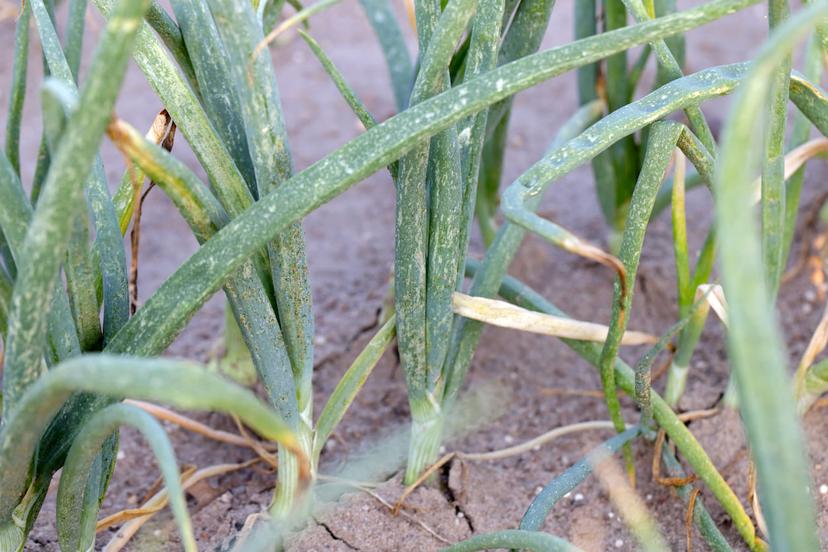
India is the second largest onion producer. Indian onions are famous for having their pungency all year around. Due to this fact there is a lot of demand for Indian Onions. India has exported 1,537,496.89 MT of fresh onion to the world for the worth Rs. 3,432.14 crores during the year 2021-22. Some of the major export countries are Bangladesh, Malaysia, Sri Lanka, United Arab EMTs, Nepal and Indonesia. Major onion growing states are Maharashtra, Madhya Pradesh, Karnataka, Gujarat, Rajasthan, Bihar, Andhra Pradesh, Haryana, West Bengal, Uttar Pradesh, Chhattisgarh, Odisha, Tamil Nadu, Jharkhand and Telangana.  Difficulty Level: Medium  Selection of Seeds There are various kind of onion varieties to choose from like Co­ 1, Co­ 2, MDU­ 1, Agrifound Rose, Arka Bindu, Bhima Shubra, Bhima Shweta, Bhima Safed, Pusa White Round, Arka Yojith, Pusa White Flat, Udaipur ­102, Phule Safed, N­257­9­1, Agrifound White, Phule Suvarna, Arka Niketan, Arka Kirtiman, Bhima Super, Bhima Red, Punjab Selection, Pusa Red, N­2­-4­-1, Pusa Madhavi, Arka Kalyan and Arka Lalima.  Onion Seed Treatment The green shoots of the onion are completely cut and removed. The onion bulbs are then treated with bavistin (or) dithane M45 @ 2 gm/litre water for 5-10 minutes before sowing. This will help prevent the bulbs infection from soil borne pathogens.  The seeds are treated with thiram @ 2gm/kg of seeds. Two days after treating the seeds, they are treated with Trichoderma viride @ 1.25 kg/ha is also recommended to manage damping off and raise healthy seedlings. Nursery Bed Preparation for Onions The seed requirement for one hectare is approximately 5 – 7 kgs. The ideal nursery size is about 6 to 7 cents. The land is ploughed 5 – 6 times and all the debris is removed. The soil is mixed with 500 kg of FYM and raised beds are made. The raised beds are of 10-15 cm height, 1.0 & 1.2 m width and length respectively with 30 cm distance between each bed. The seeds are then sown in lines at 50 mm to 75 mm. This is followed by light irrigation. After 35-40 days after sowing (DAS) for Kharif and 45-50 DAS for late Kharif and Rabi seasons,  the seedling will be available for transplanting.  Land Preparations for Onion Onion land preparation follows the land being ploughed for three to four times. Add 20 tons of FYM per acre at the time of last ploughing. Ridges and furrows are made with 20 cm spacing and fertilizers of Urea: 26 kg, SSP: 144 kg and Potash: 19 kgs are to be added to the soil. The treated bulbs are planted after irrigating the field for easy transplanting.  Soil Type Requirements for Onion Onion is grown all throughout the country. Therefore, onions can be grown in any soil. However, loamy soil or clayey loam soil is considered to be ideal.  Soil pH for Onion Production Soil with neutral pH is optimal.  Conclusion Onion is a hardy crop that can be grown anywhere. Onions, unlike other crops, can be stored for a long time. Therefore, onions regardless of when or where it is grown can be stored and sold in the market.  FAQs What is the seed rate for onion? The seed requirement for one acre is approximately 2 – 3 kgs.  What are the popular varieties of onion? States  Varieties  Karnataka & Telangana  Nasik Red onion (N-53), Royal selection onion, JSC Nasik Red onion (N-53), Prema 178 onion  Andhra Pradesh  Nasik Red onion (N-53), Prema onion, JSC Nasik Red onion (N-53), Prema 178 onion, Gulmohar onion  Madhya Pradesh  Nasik red onion (N-53), Gulmohar onion, Laxmi onion seeds diamond super, Royal Selection onion, Rise Agro Laxmi onion diamond super  Maharashtra  Nasik Red onion (N-53), Gulmohar onion seeds, JSC Nasik red onion (N-53), Royal selection onion, Rise Agro Laxmi onion diamond super  Uttar Pradesh  Nasik Red onion (N-53), Royal selection onion, Prema onion, JSC Nasik Red onion (N-53), Gulmohar onion  What is the ideal time for transplanting onion seedlings? After 35 – 40 days after sowing (DAS) for Kharif and 45 – 50 DAS for late Kharif and Rabi seasons, the seedling will be ready for transplanting.  What is the fertilizer recommendation for onion? The general dose of fertilizer recommendation for onion is 38:14:22 kg/acre. The commercial quantity to be applied in the field is given in the table below:  Nutrient  Fertilizers  General Dose (per acre)  Organic  FYM   6 ton  N  Urea (or)  83 kg  Ammonium Sulphate  178 kg  P  Single Super Phosphate (SSP) (or)  89 kg  Double Super Phosphate (DSP)  44 kg  K  Muriate of Potash (MOP) (or)  37 kg  Sulphate of Potash (SOP)  45 kg  Zn  (For zinc deficient soil)  ANAND AGRO INSTA CHEAL ZINC 12 % Micronutrient    Foliar application: 0.5 -1 gm/lit water  Soil application: 10 kg  B              ALLBOR Boron 20%    Foliar spray: 1gm/lit water    How is seed treatment done for onion bulb/seeds? Bulb treatment: Treat the onion bulbs with Bavistin (or) Dithane M75 (Mancozeb 75% WP) at 2 – 2.5 gm/litre water for 5 – 10 minutes before sowing.  This will help prevent the bulbs infection from soil borne pathogens.   Seed treatment: The seeds are treated with Vitavax powder (Carboxin 37.5% + Thiram 37.5% DS) at 3 gm/kg seed per acre or treat with BACF TRIDENT (Tricoderma viride 1.5%WP) at 4 gm/kg seed is also recommended to manage damping off and raise healthy seedlings.   Note: The information contained herein is for informational purposes only. Nothing herein shall be construed to be financial or legal advice. Pesticides are a considerable risk of loss in crops and viewers are advised to do their own research before making any decisions.
Image

Field Preparation for Coffee

Sathya G

-

04 January 2023

India in the year 2021-2022 alone produced 3.69 lakh tonnes of coffee. The world’s largest coffee producers are Brazil, Vietnam, Columbia, Indonesia and Ethiopia. India ranks as the world’s seventh-largest coffee producer. In India, Karnataka, Kerala and Tamil Nadu are the largest producers of coffee. Indian coffee is regarded as one of the strongest blends. Indian coffee, however, is extensively exported by almost 80% of the total coffee produced. India exports to Italy,  Germany, Russia, Spain, Belgium, Slovenia, United States and the United Kingdom. There are two kinds of coffee that are cultivated: Arabica and Robusta.  Difficulty Level: Hard Selection of Seeds There are two major types, arabica and robusta. The popular hybrids from those two types are  Kent, S-795, Cauvery, and Selection 9.  Coffee Seed Treatment Coffee seeds are usually bought from credible retailers as producing coffee seeds from coffee beans is very hard. Coffee seeds are treated with Azospirillum and phosphobacteria. Coffee seeds are not treated with too many chemicals as the seeds are sensitive to different chemicals and can affect the germination process. The coffee seed’s coat must be removed carefully. The seeds are then washed in a 1% solution of sodium hypochlorite. The seeds are then immediately washed in demineralized water to remove any chemical residue. The seeds are then soaked for 48 hours.  Nursery Bed Preparation for Coffee Coffee saplings are usually bought and planted, as getting coffee saplings from seed is very hard, time-consuming and delicate. Coffee saplings in nurseries are usually raised in polythene bags. The bag is mixed with a thin layer of fine soil, vermiculite and humus. The seeds are then individually sown and kept in shade. The germination takes 2.5 months. The coffee seeds are very sensitive, therefore too much water or too little can kill the seeds. Land Preparation for Coffee  The field must be weed free. The field must be cleaned without any debris. The field must be on a sloppy surface for better water management. The field must be soil tested before any nutrient or manure application. Based on soil test results, apply lime accordingly. Adding bulky organic manures like FYM or compost at 5 tonnes/ha is a thumb rule. The saplings are usually planted in a shaded condition, usually with an accompanying agroforestry crop.  Soil Type Requirements for Coffee Coffee is usually planted on a well drained soil with high humus content and with pH of 5 to 6. The soil has to be acidic, and this has to be maintained. The soil must be tested every 2 years to find out the fertility level.  Conclusion Coffee is a very hard crop to cultivate and is extremely sensitive. Coffee, however, if cultivated properly will fetch the farmer high return on investment.  FAQs  What are the popular varieties and hybrids of coffee? Variety – Arabica and Robusta  Hybrid – Kent, S – 795, Cauvery, and Selection 9  How to do seed treatment for coffee seeds? Treat the coffee beans/seeds with 10 ml of Azospirillium (SUN BIO AZOS) or Phosphobacteria (SUN BIO PHOSI) mixed with cold jaggery solution. Dry the treated seeds in shade before sowing and use it on the same day.  What is the germination period for the seeds? It is 2.5 months.  Is there any specific growth condition for coffee? The saplings are usually planted in a shaded condition, usually with an accompanying agroforestry crop.  What are the major plantation trees grown to provide shade to coffee? Coffee grows in a 3 – tier shade system.  The lower shade tier is usually a nitrogen fixing species like Erythrina or Glyricidia. The secondary tier is of trees like silver oak, white or red cedar which provides effective shade during monsoon by shedding leaves. The tertiary tier is of hardwood trees.   What type of soilis ideal for coffee cultivation? Well-drained loamy soil is ideal for coffee cultivation.  How is irrigation done for coffee? Over-head irrigation by sprinkler system is adopted to a greater advantage during Nov – Jan to keep the soil moisture level and Feb – April to ensure blossom as well as backing, if necessary.  What is the fertilizer recommendation for coffee? The general dose of fertilizer recommendation and its commercial quantity for young bushes up to 4th year is given in the table below.  Year  NPK dose (gram/plant/year)  Fertilizers (gram/plant/year)  Urea  Rock Phosphate  MOP  Arabica  1 year  20:10:20  43  33  33  2 year  20:10:20  43  33  33  3 year  25:15:25  54  50  42  4 year  25:15:25  54  50  42  Robusta  1 year  38:28:38  83  92  63  2 year  38:28:38  83  92  63  3 year  38:28:38  83  92  63  4 year  40:30:40  87  99  67  Fertilizer requirement and commercial quantity for mature yielding coffee is given in the table below.  Bearing bush   NPK dose (kg/acre)  Fertilizer (kg/acre)  Urea  Rock Phosphate  MOP  Yield level (kg/acre)  Arabica  1000  120:90:120  260  297  200  500  70:50:70  152  165  117  Robusta  1000  120:90:130  260  297  217  500  70:50:80  152  165  134    Note: The information contained herein is for informational purposes only. Nothing herein shall be construed to be financial or legal advice. Pesticides are a considerable risk of loss in crops and viewers are advised to do their own research before making any decisions.

రాష్ట్ర పథకాలు

మీకు ఆసక్తికరంగా ఉండవచ్చు

భారతదేశపు అతిపెద్ద వ్యవసాయ వేదిక

400+

బ్రాండ్లు

30M+

రైతులకందించిన సేవలు

9K+

ఉత్పత్తులు

95%+

పిన్ కోడ్ లకు అందించిన సేవలు