ಮೆಣಸಿನಕಾಯಿ ಮತ್ತು ಸೋಯಾಬೀನ್ ಬೆಳೆಗಳಿಗಾಗಿ ಕಾರ್ಬನ್ ಮ್ಯಾಕ್ಸ್: ಬೆಳವಣಿಗೆಯನ್ನು ವೃದ್ಧಿಸಲು ಸಾಹಯ ಮಾಡುವ ಮಾರ್ಗದರ್ಶಿ
ಪೋಷಕಾಂಶಗಳಿಂದ ತುಂಬಿದ ಸಮುದ್ರ ಆಧಾರಿತ ಅದ್ಭುತವಾದ ಕಾರ್ಬನ್ ಮ್ಯಾಕ್ಸ್ನ. ಇದು ಸಸ್ಯಗಳನ್ನು ಪೋಷಿಸುತ್ತದೆ, ಮಣ್ಣಿನ ರಚನೆಯನ್ನು ಹೆಚ್ಚಿಸುತ್ತದೆ ಮತ್ತು ಪೋಷಕಾಂಶಗಳ ಹೀರಿಕೊಳ್ಳುವಿಕೆಯನ್ನು ಹೆಚ್ಚಿಸುತ್ತದೆ. ಇದು ತ್ವರಿತವಾದ ಸಸ್ಯ ಬೆಳವಣಿಗೆ, ಸೊಂಪಾದ ಎಲೆಗಳು ಮತ್ತು ದೃಢವಾದ ಬೇರುಗಳನ್ನು ನೀಡುತ್ತದೆ. ಕಾರ್ಬನ್ ಮ್ಯಾಕ್ಸ್ ಮಣ್ಣಿನ ಸೂಕ್ಷ್ಮಜೀವಿಯ ಚಟುವಟಿಕೆಯನ್ನು ಸೂಪರ್ ಚಾರ್ಜ್ ಮಾಡುತ್ತದೆ, ಕ್ಲೋರೊಫಿಲ್, ಸಕ್ಕರೆ ಮತ್ತು ಅಮೈನೋ ಆಮ್ಲದ ಉತ್ಪಾದನೆಯನ್ನು ಹೆಚ್ಚಿಸುತ್ತದೆ ಮತ್ತು ಇಳುವರಿ ಮತ್ತು ಗುಣಮಟ್ಟವನ್ನು ಹೆಚ್ಚಿಸುತ್ತದೆ.ಮಣ್ಣನ್ನು ಸಮೃದ್ಧಗೊಳಿಸುವುದರಿಂದ, ಇದು ಎರೆಹುಳುಗಳು ಮತ್ತು ಸೂಕ್ಷ್ಮಜೀವಿಗಳಿಗೆ ಆಹಾರವನ್ನು ಒದಗಿಸುತ್ತದೆ ಮತ್ತು ಇಳುವರಿ ಮತ್ತು ಗುಣಮಟ್ಟವನ್ನು ಸುಧಾರಿಸುತ್ತದೆ.
ಮೆಣಸಿನಕಾಯಿ ಬೆಳೆ
ಮೆಣಸಿನಕಾಯಿ ಅತ್ಯಂತ ಬೆಲೆಬಾಳುವ ಮಸಾಲೆ ಬೆಳೆಗಳಲ್ಲಿ ಒಂದಾಗಿದೆ. ಭಾರತವು ಮೆಣಸಿನಕಾಯಿಗಳ ಅತಿದೊಡ್ಡ ಉತ್ಪಾದಕ, ಗ್ರಾಹಕ ಮತ್ತು ರಫ್ತು ಮಾಡುವ ದೇಶವಾಗಿದೆ. ವಿಶ್ವದ ಮೆಣಸಿನಕಾಯಿ ಉತ್ಪಾದನೆಯಲ್ಲಿ ಸುಮಾರು 40% ರಷ್ಟು ಕೊಡುಗೆ ನೀಡುತ್ತದೆ. ಭಾರತದಲ್ಲಿ ಮೆಣಸಿನಕಾಯಿ ಉತ್ಪಾದನೆಯಲ್ಲಿ ಆಂಧ್ರಪ್ರದೇಶ ಮುಂದಿದೆ. ಮೆಣಸಿನಕಾಯಿಯನ್ನು ಅನೇಕ ಪಾಕಪದ್ಧತಿಗಳಲ್ಲಿ ಪ್ರಧಾನವಾಗಿ ಬಳಸುತ್ತಾರೆ, ಇದು ಸಂಯುಕ್ತ ಕ್ಯಾಪ್ಸೈಸಿನ್ ಮತ್ತು ಸಂಬಂಧಿತ ಕ್ಯಾಪ್ಸೈಸಿನಾಯ್ಡ್ಗಳಿಗೆ ಹೆಸರುವಾಸಿಯಾಗಿದೆ. ಮೆಣಸಿನಕಾಯಿ ಉತ್ಪಾದನೆಯನ್ನು ಗರಿಷ್ಠಗೊಳಿಸಲು ಪರಿಣಾಮಕಾರಿ ಪೋಷಕಾಂಶಗಳ ನಿರ್ವಹಣೆಯು ನಿರ್ಣಾಯಕವಾಗಿದೆ. ಸಮತೋಲಿತ ಪೋಷಕಾಂಶಗಳ ನಿರ್ವಹಣೆ , ಮಣ್ಣಿನ ರಚನೆ ಮತ್ತು ಪೋಷಕಾಂಶಗಳ ಹೀರಿಕೊಳ್ಳುವಿಕೆಯನ್ನು ಹೆಚ್ಚಿಸುತ್ತದೆ,. ಅತ್ಯುತ್ತಮ ಬೆಳವಣಿಗೆ ಮತ್ತು ಇಳುವರಿ ಗುಣಮಟ್ಟವನ್ನು ಖಾತ್ರಿಗೊಳಿಸುತ್ತದೆ.
ಮೆಣಸಿನಕಾಯಿ ಬೆಳೆಯ ಪ್ರಮುಖ ಬೆಳವಣಿಗೆಯ ಹಂತಗಳು
ಸಸ್ಯ ಬೆಳವಣಿಗೆಯ ಹಂತ
ಹೂಬಿಡುವ ಹಂತ
ಕಾಯಿ ಕಟ್ಟುವ ಮತ್ತು ಪಕ್ವಕ್ಕೆ ಬರುವ ಹಂತ
ಸಸ್ಯ ಬೆಳವಣಿಗೆಯ ಹಂತ
ಸಸ್ಯ ಬೆಳವಣಿಗೆಯ ಹಂತವು ಮೆಣಸಿನಕಾಯಿ ಬೆಳೆಯಲ್ಲಿ ನಿರ್ಣಾಯಕ ಹಂತವಾಗಿದೆ. ಈ ಅವಧಿಯಲ್ಲಿ, ಸಸ್ಯಗಳು ದ್ಯುತಿಸಂಶ್ಲೇಷಣೆಗೆ ಅಗತ್ಯವಾದ ಬಲವಾದ ಕಾಂಡಗಳು ಮತ್ತು ಹೇರಳವಾದ ಹಸಿರು ಎಲೆಗಳನ್ನು ಅಭಿವೃದ್ಧಿಪಡಿಸುವುದರ ಮೇಲೆ ಕೇಂದ್ರೀಕೃತವಾಗಿರುತ್ತವೆ. ಸಸ್ಯಗಳು ಹೂಬಿಡುವಿಕೆ ಮತ್ತು ಕಾಯಿ ಕಟ್ಟುವಿಕೆಗೆ ಅಗತ್ಯವಾದ ಸಂಪನ್ಮೂಲಗಳನ್ನು ಸಂಗ್ರಹಿಸುವುದರಿಂದ ಈ ಹಂತವು ತ್ವರಿತ ಬೆಳವಣಿಗೆಯನ್ನು ಒಳಗೊಂಡಿರುತ್ತದೆ. ಸಸ್ಯಗಳು ಬೆಳಕಿನ ಶಕ್ತಿಯನ್ನು ರಾಸಾಯನಿಕ ಶಕ್ತಿಯನ್ನಾಗಿ ಪರಿವರ್ತನೆ ಮಾಡುವ ದ್ಯುತಿಸಂಶ್ಲೇಷಣೆ ಕ್ರಿಯೆ , ನೀರು ಮತ್ತು ಪೋಷಕಾಂಶಗಳ ಹೀರಿಕೊಳ್ಳುವಿಕೆಗೆ ಬೇರುಗಳ ಅಭಿವೃದ್ಧಿ ಮತ್ತು ಹೆಚ್ಚು ಬೆಳಕನ್ನು ಹೀರಿಕೊಳ್ಳಲು ಎಲೆಗಳ ಬೆಳವಣಿಗೆಯನ್ನು ಗರಿಷ್ಠಗೊಳಿಸುವುದು ಸೇರಿದಂತೆ ಸಸ್ಯಗಳಲ್ಲಿ ಪ್ರಮುಖ ಪ್ರಕ್ರಿಯೆಗಳಿಗೆ ಸಹಾಯ ಮಾಡುತ್ತದೆ. ಈ ಹಂತದಲ್ಲಿ ಸರಿಯಾದ ಪೋಷಕಾಂಶಗಳ ನಿರ್ವಹಣೆಯು ಆರೋಗ್ಯಕರ ಸಸ್ಯ ಅಭಿವೃದ್ಧಿಯನ್ನು ಖಚಿತಪಡಿಸಿಕೊಳ್ಳಲು ಮತ್ತು ಮುಂಬರುವ ಹೂಬಿಡುವ ಹಂತದ ಸಿದ್ದತೆಗೆ ಮುಖ್ಯವಾಗಿದೆ.
ಉತ್ಪನ್ನದ ಬಳಕೆ
ಕಾರ್ಬನ್ ಮ್ಯಾಕ್ಸ್ ಎಲೆಗಳ ದೃಢವಾದ ಬೆಳವಣಿಗೆ, ಬೇರುಗಳ ಅಭಿವೃದ್ಧಿ ಮತ್ತು ಒಟ್ಟಾರೆ ಸಸ್ಯ ರಚನೆಯನ್ನು ಉತ್ತೇಜಿಸುತ್ತದೆ.
ಕ್ಲೋರೊಫಿಲ್ ಅಂಶ, ಸಕ್ಕರೆ ಅಂಶ, ಅಮೈನೋ ಆಮ್ಲಗಳ ಅಭಿವೃದ್ಧಿಯನ್ನು ಉತ್ತೇಜಿಸುತ್ತದೆ ಮತ್ತು ದ್ಯುತಿಸಂಶ್ಲೇಷಣೆ ಹಾಗೂ ಒಟ್ಟಾರೆ ಸಸ್ಯ ಆರೋಗ್ಯವನ್ನು ಹೆಚ್ಚಿಸುತ್ತದೆ. ಇಳುವರಿ ಗುಣಮಟ್ಟವನ್ನು ಸಹ ಹೆಚ್ಚಿಸುತ್ತದೆ.
ಮಣ್ಣಿನಲ್ಲಿ ಸೂಕ್ಷ್ಮಜೀವಿಗಳ ಚಟುವಟಿಕೆಗಳನ್ನು ಹೆಚ್ಚಿಸುತ್ತದೆ ಮತ್ತು ಮಣ್ಣಿನಲ್ಲಿ ಜೈವಿಕ ಪ್ರಕ್ರಿಯೆಗಳನ್ನು ಹೆಚ್ಚಿಸುತ್ತದೆ.
ಮಣ್ಣಿನ ರಚನೆಯನ್ನು ಸುಧಾರಿಸುತ್ತದೆ, ಬೇರುಗಳು ಸುಲಭವಾಗಿ ನುಗ್ಗಲು ಮಣ್ಣನ್ನು ಸಡಿಲಗೊಳಿಸುತ್ತದೆ ಮತ್ತು ನೀರನ್ನು ಹಿಡಿದಿಟ್ಟುಕೊಳ್ಳುವ ಸಾಮರ್ಥ್ಯವನ್ನು ಹೆಚ್ಚಿಸುತ್ತದೆ.
ಜನತಾ ಕಾರ್ಬನ್ ಮ್ಯಾಕ್ಸ್ ಅನ್ನು ಹನಿ ನೀರಾವರಿಗಾಗಿ ಎಕರೆಗೆ 1-2 ಲೀಟರ್ ಪ್ರಮಾಣದಲ್ಲಿ ಬಳಸಿ.
ಹೂಬಿಡುವ ಹಂತ
ಮೆಣಸಿನಕಾಯಿ ಬೆಳೆಯಲ್ಲಿ ಹೂಬಿಡುವ ಹಂತವು, ನಾಟಿ ಮಾಡಿದ ಸುಮಾರು ಎರಡು ತಿಂಗಳ ನಂತರ ಸಂಭವಿಸುತ್ತದೆ, ಇದು ಕಾಯಿ ಕಟ್ಟುವ ಹಂತಕ್ಕೆ ನಿರ್ಣಾಯಕವಾಗಿದೆ. ನೇರಳೆ ಪರಾಗಗಳನ್ನು ಹೊಂದಿರುವ ಸಣ್ಣ, ಬಿಳಿ, ನಕ್ಷತ್ರಾಕಾರದ ಹೂವುಗಳನ್ನು ಕಾಣಬಹುದು, ಇದು ಸ್ವಯಂ ಪರಾಗಸ್ಪರ್ಶವನ್ನು ಹೊಂದಿದೆ. ಸಾಕಷ್ಟು ನೀರುಹಾಕುವುದು, ಸಮತೋಲಿತ ಪೋಷಕಾಂಶಗಳ ನಿರ್ವಹಣೆ ಮತ್ತು ಸೂಕ್ತವಾದ ಪರಿಸರ ಪರಿಸ್ಥಿತಿಗಳನ್ನು ಒಳಗೊಂಡಂತೆ ಸರಿಯಾದ ಕಾಳಜಿ ವಹಿಸಿದ್ದಲ್ಲಿ ಹೂವು ಬಿಡುವಿಕೆ ಮತ್ತು ಕಾಯಿ ಕಟ್ಟುವಿಕೆಯನ್ನು ಬೆಂಬಲಿಸಲು ಸಹಾಯ ಮಾಡುತ್ತದೆ, ಒಟ್ಟಾರೆ ಇಳುವರಿಯನ್ನು ಹೆಚ್ಚಿಸುತ್ತದೆ.
ಉತ್ಪನ್ನದ ಬಳಕೆ
ಇದು ಸಸ್ಯಗಳಲ್ಲಿ ಜೈವಿಕ ಸಮತೋಲನವನ್ನು ಮರುಸ್ಥಾಪಿಸುತ್ತದೆ, ಹೂಬಿಡುವಿಕೆಗೆ ಅಗತ್ಯವಾದ ಪೋಷಕಾಂಶಗಳ ಪ್ರವೇಶವನ್ನು ಖಚಿತಪಡಿಸುತ್ತದೆ
ದ್ಯುತಿಸಂಶ್ಲೇಷಣೆ ಮತ್ತು ಒಟ್ಟಾರೆ ಸಸ್ಯದ ಆರೋಗ್ಯವನ್ನು ಹೆಚ್ಚಿಸುತ್ತದೆ, ಹೂವಿನ ರಚನೆ ಮತ್ತು ಗುಣಮಟ್ಟವನ್ನು ಬೆಂಬಲಿಸುತ್ತದೆ.
ಹೂಬಿಡುವ ಪ್ರಕ್ರಿಯೆಯನ್ನು ಬೆಂಬಲಿಸಲು ಆರೋಗ್ಯಕರ ಮಣ್ಣಿನ ವಾತಾವರಣವನ್ನು ನಿರ್ವಹಿಸುತ್ತದೆ.
ಜನತಾ ಕಾರ್ಬನ್ ಮ್ಯಾಕ್ಸ್ ಅನ್ನು ಹನಿ ನೀರಾವರಿಗಾಗಿ ಎಕರೆಗೆ 1-2 ಲೀಟರ್ ಪ್ರಮಾಣದಲ್ಲಿ ಬಳಸಿ.
ಕಾಯಿ ಕಟ್ಟುವ ಮತ್ತು ಪಕ್ವಕ್ಕೆ ಬರುವ ಹಂತ
ಮೆಣಸಿನಕಾಯಿ ಬೆಳೆಗಳಲ್ಲಿ ಕಾಯಿ ಕಟ್ಟುವ ಮತ್ತು ಪಕ್ವತೆಯ ಹಂತವು ಹೂಬಿಡುವಿಕೆಯಿಂದ ಕಾಯಿಗಳಾಗಿ ಪರಿವರ್ತನೆಯಾಗುವುದನ್ನು ಸೂಚಿಸುತ್ತದೆ. ಸಣ್ಣ ಹಸಿರು ಮೆಣಸಿನಕಾಯಿಗಳು ಪರಾಗಸ್ಪರ್ಶದ ನಂತರ ರೂಪುಗೊಳ್ಳುತ್ತವೆ ಮತ್ತು ಅವುಗಳ ಬೆಳವಣಿಗೆಯಾದಂತೆ ಕ್ರಮೇಣ ಬಣ್ಣವನ್ನು ಬದಲಾಯಿಸುತ್ತವೆ. ಸಂಪೂರ್ಣ ಕಾಯಿಗಳ ಅಭಿವೃದ್ಧಿ ಮತ್ತು ಗುಣಮಟ್ಟವನ್ನು ಖಚಿತಪಡಿಸಿಕೊಳ್ಳಲು ಸರಿಯಾದ ಪೋಷಕಾಂಶಗಳ ನಿರ್ವಹಣೆ ಮತ್ತು ನೀರಾವರಿ ಬಹಳ ಮುಖ್ಯ. ಸಾಕಷ್ಟು ನೀರು ಸರಬರಾಜು ಮತ್ತು ಸಮತೋಲಿತ ಪೋಷಕಾಂಶಗಳ ನಿರ್ವಹಣೆಯು ಈ ಹಂತವನ್ನು ಬೆಂಬಲಿಸುತ್ತದೆ. ಮೆಣಸಿನಕಾಯಿಗಳ ರಕ್ಷಣೆಗಾಗಿ ಕೀಟಗಳು ಮತ್ತು ರೋಗಗಳ ಮೇಲ್ವಿಚಾರಣೆ ಮಾಡುವುದು ಅತ್ಯಗತ್ಯ.
ಉತ್ಪನ್ನದ ಬಳಕೆ
ಸಸ್ಯಗಳಲ್ಲಿ ಕಾಯಿಗಳ ಅಭಿವೃದ್ಧಿ ಮತ್ತು ಪಕ್ವತೆಗೆ ಅಗತ್ಯವಾದ ಪೋಷಕಾಂಶಗಳ ಪ್ರವೇಶವನ್ನು ಖಚಿತಪಡಿಸುತ್ತದೆ.
ಉತ್ತಮ ಗುಣಮಟ್ಟದ ಮೆಣಸಿನಕಾಯಿಗಳ ಅಧಿಕ ಇಳುವರಿಗೆ ಕಾರಣವಾಗುವ ಕಾಯಿ ಕಟ್ಟುವ ಹಂತವನ್ನು ಬೆಂಬಲಿಸುತ್ತದೆ.
ಜನತಾ ಕಾರ್ಬನ್ ಮ್ಯಾಕ್ಸ್ ಅನ್ನು ಹನಿ ನೀರಾವರಿಗಾಗಿ ಎಕರೆಗೆ 1-2 ಲೀಟರ್ ಪ್ರಮಾಣದಲ್ಲಿ ಬಳಸಿ
ಅತ್ಯುತ್ತಮ ಫಲಿತಾಂಶಗಳಿಗಾಗಿ ಬೆಳೆ ಚಕ್ರದ ಉದ್ದಕ್ಕೂ ಆಗಾಗ್ಗೆ ಮರು ಬಳಕೆ ಮಾಡುವುದನ್ನು ಶಿಫಾರಸು ಮಾಡಲಾಗಿದೆ.
ಸೋಯಾಬೀನ್ ಬೆಳೆ
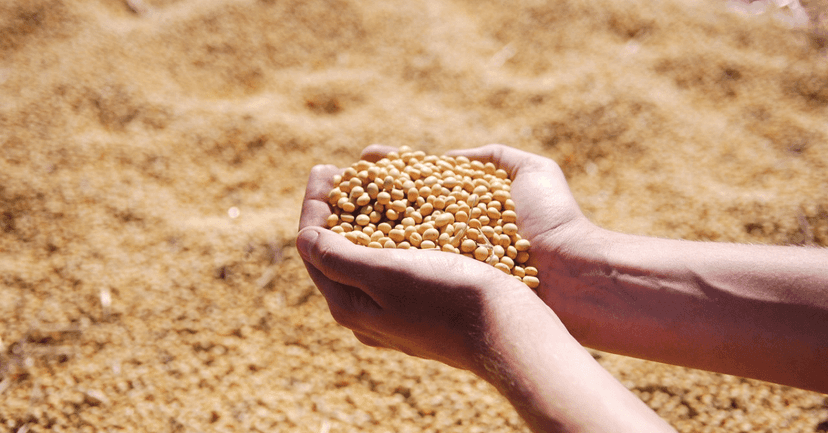
ಅಧಿಕ ಪ್ರೊಟೀನ್ ಮತ್ತು ಎಣ್ಣೆಯ ಅಂಶದಿಂದಾಗಿ ಸೋಯಾಬೀನ್ ಅನ್ನು ಗೋಲ್ಡನ್ ಬೀನ್ ಅಥವಾ ಮಿರಾಕಲ್ ಕ್ರಾಪ್/ಪವಾಡ ಬೆಳೆ ಎಂದೂ ಕರೆಯಲಾಗುತ್ತದೆ. ಸೋಯಾಬೀನ್ ಚೀನಾದಲ್ಲಿ ಹುಟ್ಟಿದ ಒಂದು ರೀತಿಯ ದ್ವಿದಳ ಧಾನ್ಯವಾಗಿದೆ. ಇದನ್ನು ಹಲವು ವರ್ಷಗಳ ಹಿಂದೆ ಹಿಮಾಲಯ ಪರ್ವತಗಳಲ್ಲಿ ಬೆಳೆಯುದರ ಮೂಲಕ ಭಾರತಕ್ಕೆ ತರಲಾಯಿತು. ಸೋಯಾಬೀನ್ ಅನ್ನು ವಿವಿಧ ಕೃಷಿ ಹವಾಮಾನ ಪರಿಸ್ಥಿತಿಗಳಲ್ಲಿ ಬೆಳೆಯಲಾಗುತ್ತದೆ ಮತ್ತು ಹೆಚ್ಚಾಗಿ ಮಧ್ಯಪ್ರದೇಶ, ಮಹಾರಾಷ್ಟ್ರ, ಆಂಧ್ರಪ್ರದೇಶ, ಕರ್ನಾಟಕ, ಉತ್ತರ ಪ್ರದೇಶ ಮತ್ತು ರಾಜಸ್ಥಾನದಂತಹ ಭಾರತದ ರಾಜ್ಯಗಳಲ್ಲಿ ಬೆಳೆಯಲಾಗುತ್ತದೆ.
ಸೋಯಾಬೀನ್ ಬೆಳೆಯ ಪ್ರಮುಖ ಬೆಳವಣಿಗೆಯ ಹಂತಗಳು
ಸಸ್ಯ ಬೆಳವಣಿಗೆಯ ಹಂತ
ಹೂಬಿಡುವ ಹಂತ
ಕಾಯಿ ಕಟ್ಟುವ ಮತ್ತು ಪಕ್ವಕ್ಕೆ ಬರುವ ಹಂತ
ಸಸ್ಯ ಬೆಳವಣಿಗೆಯ ಹಂತ
ಸೋಯಾಬೀನ್ ಬೆಳೆಯಲ್ಲಿ ಸಸ್ಯ ಬೆಳವಣಿಗೆಯ ಹಂತವು ಸಸ್ಯದ ರಚನೆ ಮತ್ತು ಎಲೆಗಳ ಅಭಿವೃದ್ಧಿಯ ಮೇಲೆ ಕೇಂದ್ರೀಕರಿಸುವ ನಿರ್ಣಾಯಕ ಹಂತವಾಗಿದೆ. ಈ ಅವಧಿಯಲ್ಲಿ, ಸಸ್ಯವು ದ್ಯುತಿಸಂಶ್ಲೇಷಣೆ ಮತ್ತು ಪೋಷಕಾಂಶಗಳ ಹೀರಿಕೊಳ್ಳುವಿಕೆಗೆ ಅಗತ್ಯವಾದ ಬಲವಾದ ಬೇರುಗಳ ವ್ಯವಸ್ಥೆಯನ್ನು ಮತ್ತು ಹೇರಳವಾದ ಎಲೆಗಳನ್ನು ಅಭಿವೃದ್ಧಿಪಡಿಸುವುದರ ಮೇಲೆ ಕೇಂದ್ರೀಕರಿಸುತ್ತದೆ. ಸಮತೋಲಿತ ಪೋಷಕಾಂಶಗಳ ನಿರ್ವಹಣೆ ಮತ್ತು ಸಾಕಷ್ಟು ನೀರು ಸರಬರಾಜು ಸೇರಿದಂತೆ ಸರಿಯಾದ ಕಾಳಜಿ ವಹಿಸಿದ್ದಲ್ಲಿ ಆರೋಗ್ಯಕರ ಬೆಳವಣಿಗೆಯನ್ನು ಬೆಂಬಲಿಸಲು ಮತ್ತು ಹೆಚ್ಚಿನ ಇಳುವರಿಯನ್ನು ಪಡೆಯಲು ಸಹಾಯ ಮಾಡುತ್ತದೆ.
ಉತ್ಪನ್ನದ ಬಳಕೆ
ಕಾರ್ಬನ್ ಮ್ಯಾಕ್ಸ್ ಎಲೆಗಳ ದೃಢವಾದ ಬೆಳವಣಿಗೆ, ಬೇರುಗಳ ಅಭಿವೃದ್ಧಿ ಮತ್ತು ಒಟ್ಟಾರೆ ಸಸ್ಯ ರಚನೆಯನ್ನು ಉತ್ತೇಜಿಸುತ್ತದೆ.
ದ್ಯುತಿಸಂಶ್ಲೇಷಣೆ ಮತ್ತು ಒಟ್ಟಾರೆ ಸಸ್ಯ ಆರೋಗ್ಯವನ್ನು ಉತ್ತೇಜಿಸುತ್ತದೆ, ಇಳುವರಿ ಗುಣಮಟ್ಟವನ್ನು ಹೆಚ್ಚಿಸುತ್ತದೆ.
ಮಣ್ಣಿನಲ್ಲಿ ಸೂಕ್ಷ್ಮಜೀವಿಗಳ ಚಟುವಟಿಕೆಗಳನ್ನು ಹೆಚ್ಚಿಸುತ್ತದೆ ಮತ್ತು ಮಣ್ಣಿನಲ್ಲಿ ಜೈವಿಕ ಪ್ರಕ್ರಿಯೆಗಳನ್ನು ಹೆಚ್ಚಿಸುತ್ತದೆ ಮತ್ತು ಮಣ್ಣಿನ ರಚನೆಯನ್ನು ಸುಧಾರಿಸುತ್ತದೆ, ಸುಲಭವಾಗಿ ಬೇರುಗಳ ಒಳಹೊಕ್ಕುಗಾಗಿ ಮಣ್ಣನ್ನು ಸಡಿಲಗೊಳಿಸುತ್ತದೆ ಮತ್ತು ನೀರನ್ನು ಹಿಡಿದಿಟ್ಟುಕೊಳ್ಳುವ ಸಾಮರ್ಥ್ಯವನ್ನು ಹೆಚ್ಚಿಸುತ್ತದೆ.
ಜನತಾ ಕಾರ್ಬನ್ ಮ್ಯಾಕ್ಸ್ ಅನ್ನು ಪ್ರತಿ ಎಕರೆಗೆ 1-2 ಲೀಟರ್ ಪ್ರಮಾಣದಲ್ಲಿ ಬಳಸಿ.
.
ಹೂಬಿಡುವ ಹಂತ
ಸೋಯಾಬೀನ್ ಬೆಳೆಗಳಲ್ಲಿ ಹೂಬಿಡುವ ಹಂತವು ಸಸ್ಯ ಕಾಯಿ ಕಟ್ಟುವಿಕೆಗೆ ಪ್ರಮುಖ ಹಂತವಾಗಿದೆ. ಈ ಹಂತವನ್ನು ಎರಡು ಮುಖ್ಯ ಹಂತಗಳಾಗಿ ವಿಂಗಡಿಸಲಾಗಿದೆ:
1.ಆರಂಭದ ಹೂಬಿಡುವಿಕೆ: ಇದು ಮುಖ್ಯ ಕಾಂಡದ ಮೇಲೆ ಕನಿಷ್ಠ ಒಂದು ಹೂವು ಇದ್ದಾಗ ಸಂಭವಿಸುತ್ತದೆ, ಸಾಮಾನ್ಯವಾಗಿ ಮೂರರಿಂದ ಆರನೇ ಗೆಣ್ಣೆಯಿಂದ ಪ್ರಾರಂಭವಾಗುತ್ತದೆ.
ಸಂಪೂರ್ಣ ಹೂಬಿಡುವಿಕೆ: ಮುಖ್ಯ ಕಾಂಡದ ಮೇಲಿನ ಎರಡು ಮೇಲ್ಭಾಗದ ಗೆಣ್ಣೆಗಳಲ್ಲಿ, ಒಂದರಲ್ಲಿ ತೆರೆದ ಹೂವು ಕಂಡುಬಂದಾಗ ಇದನ್ನು ತಲುಪಲಾಗುತ್ತದೆ.
ಹೂಬಿಡುವ ಹಂತದಲ್ಲಿ, ಸೋಯಾಬೀನ್ ಗಳು ತ್ವರಿತ ಒಣ ತೂಕವನ್ನು ತಲುಪಲು ಮತ್ತು ಪೋಷಕಾಂಶಗಳ ಸಂಗ್ರಹವನ್ನು ಪ್ರಾರಂಭಿಸುತ್ತವೆ. ಹೂವು ಮತ್ತು ಕಾಯಿ ಕಟ್ಟುವಿಕೆಯನ್ನು ಬೆಂಬಲಿಸಲು ಪೋಷಕಾಂಶಗಳ ಸರಿಯಾದ ನಿರ್ವಹಣೆಯು ನಿರ್ಣಾಯಕವಾಗಿದೆ, ಇದು ಕಾಯಿಗಳಲ್ಲಿ ಬೀಜಗಳ ತುಂಬುವಿಕೆ ಮತ್ತು ಇಳುವರಿಯನ್ನು ಪ್ರಭಾವಿಸುತ್ತದೆ.ಹೂವುಗಳನ್ನು ರಕ್ಷಿಸಲು ಮತ್ತು ಕಾಯಿ ಬೆಳವಣಿಗೆಯ ಹಂತಕ್ಕೆ ಯಶಸ್ವಿ ಪರಿವರ್ತನೆಯನ್ನು ಖಚಿತಪಡಿಸಿಕೊಳ್ಳಲು ಕೀಟಗಳು ಮತ್ತು ರೋಗಗಳ ಮೇಲ್ವಿಚಾರಣೆ ಮಾಡುವುದು ಅತ್ಯಗತ್ಯ.
ಉತ್ಪನ್ನದ ಬಳಕೆ
ಕಾರ್ಬನ್ ಮ್ಯಾಕ್ಸ್ ಸಸ್ಯಗಳಲ್ಲಿ ಜೈವಿಕ ಸಮತೋಲನವನ್ನು ಪುನಃಸ್ಥಾಪಿಸಲು ಸಹಾಯ ಮಾಡುತ್ತದೆ, ಸಸ್ಯಗಳು ಹೂಬಿಡುವಿಕೆಗೆ ಅಗತ್ಯವಾದ ಪೋಷಕಾಂಶಗಳ ಪ್ರವೇಶವನ್ನು ಖಚಿತಪಡಿಸುತ್ತದೆ.
ದ್ಯುತಿಸಂಶ್ಲೇಷಣೆ ಮತ್ತು ಒಟ್ಟಾರೆ ಸಸ್ಯದ ಆರೋಗ್ಯವನ್ನು ಹೆಚ್ಚಿಸುತ್ತದೆ, ಹೂವಿನ ರಚನೆ ಮತ್ತು ಗುಣಮಟ್ಟವನ್ನು ಬೆಂಬಲಿಸುತ್ತದೆ.
ಜನತಾ ಕಾರ್ಬನ್ ಮ್ಯಾಕ್ಸ್ ಅನ್ನು ಹನಿ ನೀರಾವರಿ ಮೂಲಕ ಎಕರೆಗೆ 1-2 ಲೀಟರ್ಪ್ರಮಾಣದಲ್ಲಿ ಬಳಸಿ.
ಕಾಯಿ ಕಟ್ಟುವಿಕೆ ಮತ್ತು ಪಕ್ವಕ್ಕೆ ಬರುವ ಹಂತ
ಸೋಯಾಬೀನ್ ಬೆಳೆಯಲ್ಲಿ ಕಾಯಿ ಕಟ್ಟುವಿಕೆ ಮತ್ತು ಪಕ್ವಕ್ಕೆ ಬರುವ ಹಂತವು ಸಸ್ಯದ ಜೀವನ ಚಕ್ರದ ಅಂತಿಮ ಹಂತವಾಗಿದೆ. ಇಲ್ಲಿ ಬೀಜಗಳ ಅಭಿವೃದ್ಧಿ ಮತ್ತು ಪಕ್ವತೆಯತ್ತ ಸಸ್ಯದ ಗಮನ ಬದಲಾಗುತ್ತದೆ. ಈ ಹಂತವನ್ನು ಹಲವಾರು ಪ್ರಮುಖ ಹಂತಗಳಾಗಿ ವಿಂಗಡಿಸಲಾಗಿದೆ:
ಆರಂಭ ಹಂತದ ಕಾಯಿ: ಮುಖ್ಯ ಕಾಂಡದ ಮೇಲಿನ ನಾಲ್ಕು ಮೇಲ್ಭಾಗದ ಗೆಣ್ಣುಗಳಲ್ಲಿ ಒಂದರಲ್ಲಿ ಕಾಯಿಗಳು 3/16 ಇಂಚು ಉದ್ದವಿರುತ್ತವೆ.
ಸಂಪೂರ್ಣ ಹಂತದ ಕಾಯಿ: ಮೇಲ್ಭಾಗದ ನಾಲ್ಕು ಗೆಣ್ಣುಗಳಲ್ಲಿ ಒಂದರಲ್ಲಿ ಕಾಯಿಗಳು 3/4 ಇಂಚು ಉದ್ದವಿರುತ್ತವೆ.
ಆರಂಭದ ಬೀಜಗಳು: ಬೀಜಗಳು ನಾಲ್ಕು ಮೇಲ್ಭಾಗದ ಗೆಣ್ಣುಗಳಲ್ಲಿ ಒಂದರಲ್ಲಿ 1/8 ಇಂಚು ಉದ್ದವಿರುತ್ತವೆ.
ಸಂಪೂರ್ಣ ಬೀಜಗಳು: ಕಾಯಿಗಳು ಹಸಿರು ಬೀಜಗಳನ್ನು ಹೊಂದಿರುತ್ತವೆ, ಅದು ಮೇಲ್ಭಾಗದ ನಾಲ್ಕು ಗೆಣ್ಣುಗಳಲ್ಲಿ ಒಂದರಲ್ಲಿ ಕಾಯಿಯ ಕವಚವನ್ನು ತುಂಬುತ್ತದೆ.
ಆರಂಭಿಕ ಪಕ್ವತೆ: ಮುಖ್ಯ ಕಾಂಡದ ಮೇಲೆ ಒಂದು ಸಾಮಾನ್ಯ ಕಾಯಿ ಅದರ ಪಕ್ವತೆಯ ಬಣ್ಣವನ್ನು ತಲುಪುತ್ತದೆ.
ಪೂರ್ಣ ಪಕ್ವತೆ: 95% ಕಾಯಿಗಳು ತಮ್ಮ ಪಕ್ವತೆಯ ಬಣ್ಣವನ್ನು ತಲುಪುತ್ತವೆ ಮತ್ತು ಬೀಜಗಳು ತಮ್ಮ ಗರಿಷ್ಠ ಒಣ ತೂಕವನ್ನು ತಲುಪುತ್ತವೆ.
ಈ ಹಂತದಲ್ಲಿ, ಬೀಜಗಳ ಅಭಿವೃದ್ಧಿಯನ್ನು ಬೆಂಬಲಿಸಲು ಮತ್ತು ಅಧಿಕ ಇಳುವರಿ ಗುಣಮಟ್ಟವನ್ನು ಖಚಿತಪಡಿಸಿಕೊಳ್ಳಲು ಸರಿಯಾದ ಪೋಷಕಾಂಶ ನಿರ್ವಹಣೆ ಮತ್ತು ನೀರಾವರಿಯನ್ನು ನಿರ್ವಹಿಸುವುದು ಬಹಳ ಮುಖ್ಯ. ಕಾಯಿಗಳಲ್ಲಿ ಬೀಜಗಳನ್ನು ರಕ್ಷಿಸಲು ಮತ್ತು ಯಶಸ್ವಿ ಕೊಯ್ಲು ಖಚಿತಪಡಿಸಿಕೊಳ್ಳಲು ಕೀಟಗಳು ಮತ್ತು ರೋಗಗಳ ಮೇಲ್ವಿಚಾರಣೆ ಮಾಡುವುದು ಮುಖ್ಯವಾಗಿದೆ.
ಉತ್ಪನ್ನದ ಬಳಕೆ
ಬೀಜಗಳ ಅಭಿವೃದ್ಧಿ ಮತ್ತು ಪಕ್ವತೆಗೆ ಅಗತ್ಯವಾದ ಪೋಷಕಾಂಶಗಳಿಗೆ ಪ್ರವೇಶವನ್ನು ಖಚಿತಪಡಿಸುತ್ತದೆ.
ಕಾಯಿ ಕಾಟುವಿಕೆವನ್ನು ಹೆಚ್ಚಿಸುತ್ತದೆ, ಉತ್ತಮ ಗುಣಮಟ್ಟದ ಸೋಯಾಬೀನ್ಗಳ ಅಧಿಕ ಇಳುವರಿಗೆ ಕಾರಣವಾಗುತ್ತದೆ.
ಜನತಾ ಕಾರ್ಬನ್ ಮ್ಯಾಕ್ಸ್ ಅನ್ನು ಹನಿ ನೀರಾವರಿ ಮೂಲಕ ಪ್ರತಿ ಎಕರೆಗೆ 1-2 ಲೀಟರ್ ಪ್ರಮಾಣದಲ್ಲಿ ಬಳಸಿ.
ಅತ್ಯುತ್ತಮ ಫಲಿತಾಂಶಗಳಿಗಾಗಿ ಬೆಳೆ ಚಕ್ರದ ಉದ್ದಕ್ಕೂ ಆಗಾಗ್ಗೆ ಮರು ಬಳಕೆ ಮಾಡುವುದನ್ನು ಶಿಫಾರಸು ಮಾಡಲಾಗಿದೆ
ಹಿನ್ನುಡಿ
ಜನತಾ ಕಾರ್ಬನ್ ಮ್ಯಾಕ್ಸ್ ಮೆಣಸಿನಕಾಯಿ ಮತ್ತು ಸೋಯಾಬೀನ್ ಎರಡೂ ಬೆಳೆಗಳಿಗೆ ಅಗತ್ಯವಾದ ಪೋಷಕಾಂಶದ ಪರಿಹಾರವಾಗಿದೆ, ಇದು ಪ್ರತಿ ಹಂತದಲ್ಲೂ ಬೆಳವಣಿಗೆಯನ್ನು ಹೆಚ್ಚಿಸುತ್ತದೆ. ದೃಢವಾದ ಸಸ್ಯ ಬೆಳವಣಿಗೆಯಿಂದ ಹಿಡಿದು ಯಶಸ್ವಿ ಹೂಬಿಡುವಿಕೆ ಮತ್ತು ಕಾಯಿ ಪಕ್ವತೆಗೆ ಬರುವ ಹಂತದವರೆಗೆ, ಇದು ಅತ್ಯುತ್ತಮ ಸಸ್ಯ ಆರೋಗ್ಯ ಮತ್ತು ಇಳುವರಿಯನ್ನು ಖಾತ್ರಿಗೊಳಿಸುತ್ತದೆ. ಕಾರ್ಬನ್ ಮ್ಯಾಕ್ಸ್ನ ಸರಿಯಾದ ಬಳಕೆಯಿಂದಾಗುವ ಪೋಷಕಾಂಶಗಳ ನಿರ್ವಹಣೆಯು ಉತ್ತಮ ಗುಣಮಟ್ಟದ ಇಳುವರಿ ಮತ್ತು ಅಧಿಕ ಉತ್ಪಾದಕತೆಗೆ ಕಾರಣವಾಗುತ್ತದೆ. ಉತ್ತಮ ಫಲಿತಾಂಶಗಳಿಗಾಗಿ ಬೆಳೆ ಚಕ್ರದ ಉದ್ದಕ್ಕೂ ಆಗಾಗ್ಗೆಮರು ಬಳಕೆ ಮಾಡುವುದನ್ನು ಶಿಫಾರಸು ಮಾಡಲಾಗಿದೆ.









.png&w=828&q=75)