The Hidden Reason Behind Poor Fruit Size in Vegetables
Many vegetable farmers see plenty of flowers and good fruit set, but the final fruits remain small, light, and low in market value. Most blame the variety or the seed, but the real cause is usually hidden in nutrition, pollination, or water management. Once you find the bottleneck, fruit size can improve sharply within one season.
Why Fruit Size Matters
Buyers pay 20 to 50 percent more for larger, uniform fruits in tomato, capsicum, brinjal, cucumber, and gourds. Smaller fruits also reduce yield in weight per acre, even when the plant carries the same number. Improving fruit size is one of the highest-return changes a farmer can make.
The Hidden Reason: Potassium and Boron Shortfall at Fruit Development
Most Indian farmers apply enough nitrogen and phosphorus but underuse potassium, boron, and calcium during the fruit development stage. Without these, the plant cannot fill the fruit cells with sugars and water, no matter how many flowers it carries.
1. Potassium — The Fruit-Filling Nutrient
Potassium drives sugar transport, water uptake, and cell expansion.
Deficiency causes small, light, dull-coloured fruits.
Apply MOP or SOP at basal and top dressing as per soil test.
Foliar spray 0:0:50 at 5 g per litre or 13:0:45 at 5 g per litre at fruit development.
2. Boron — For Cell Wall Strength and Sugar Movement
Boron supports cell wall formation and sugar translocation to fruits.
Deficiency causes hollow, cracked, or undersized fruits.
Apply borax 4 to 6 kg per acre before transplanting in deficient soils.
Foliar spray 0.1 to 0.2 percent borax at flowering and again at fruit set.
3. Calcium — For Firm, Uniform Fruits
Calcium reduces blossom-end rot and gives firmness.
Foliar spray calcium nitrate 0.5 percent during fruit development.
Soil application of gypsum 100 to 200 kg per acre in calcium-poor soils.
4. Even Water Supply Through Drip
Fruits expand by absorbing water. Uneven moisture causes uneven cell expansion and small or cracked fruits.
Use drip irrigation for steady moisture.
Mulch with paddy straw or plastic to reduce evaporation.
Avoid drought followed by sudden heavy irrigation.
5. Good Pollination = Bigger Fruits
Poor pollination is a hidden cause of small, deformed fruits in cucurbits, tomato, and chilli.
Avoid insecticide sprays during morning bloom hours.
Plant marigold or coriander on field borders to attract bees.
Polyhouse growers should consider bumblebee or honeybee introduction for tomato and capsicum.
6. Right Plant Population and Pruning
Overcrowding reduces light and nutrients per plant, shrinking fruit size.
Maintain recommended spacing.
Prune lower leaves and weak side shoots in tomato, chilli, capsicum.
Stake or trellis climbing vegetables for better light interception.
7. Manage Sucking Pests Early
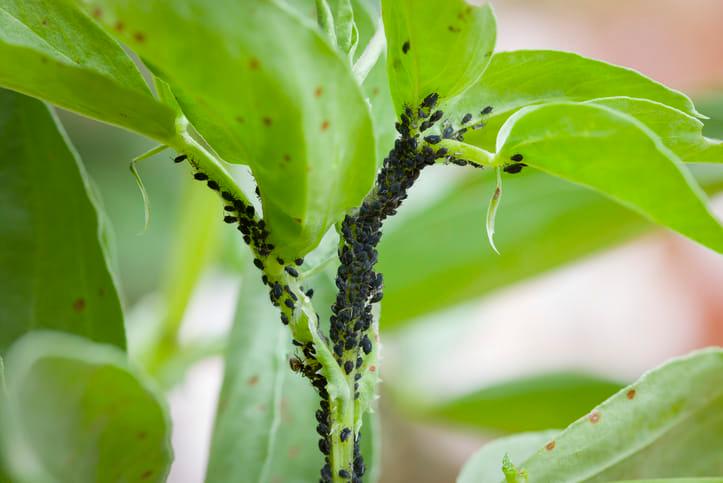
Thrips, mites, and whiteflies weaken plants and reduce fruit growth. Monitor with sticky traps. Use neem oil at first sighting and recommended insecticides above ETL.
Foliar Schedule for Better Fruit Size
Stage
Spray
Bud initiation
19:19:19 at 5 g/L + Zn 0.5 percent
Flowering
Borax 0.1–0.2 percent + Calcium nitrate 0.5 percent
Fruit set
13:0:45 at 5 g/L + Boron 0.1 percent
Fruit development
0:0:50 (SOP) at 5 g/L + Calcium nitrate 0.5 percent
Pre-harvest
0:0:50 + micronutrient mix
Conclusion
Poor fruit size in vegetables is rarely about the seed — it is usually about potassium, boron, calcium, water, and pollination at the right stage. Fix the hidden bottleneck and the same plant can give bigger, heavier fruits. Always follow product label instructions and consult your local KVK for crop-specific advice.