Top Paddy Diseases Farmers Should Watch After First Monsoon Showers
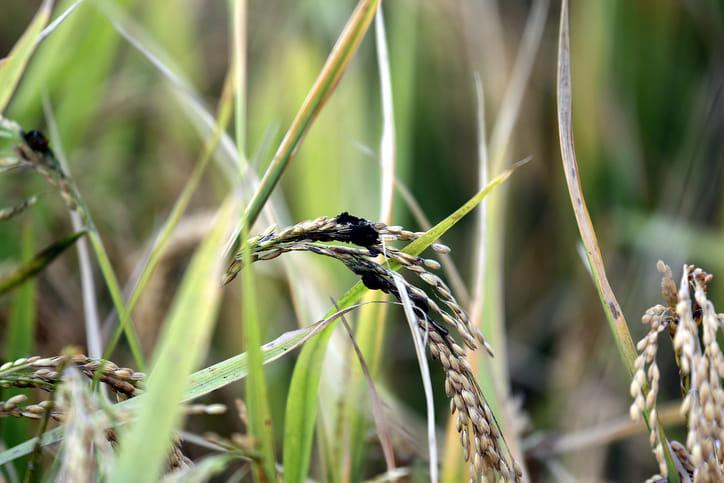
IntroductionPaddy is the most important Kharif crop of India. Once the first monsoon showers arrive, paddy fields become green and lush within a few weeks. But the same rains also create the perfect environment for many fungal and bacterial diseases. Continuous wet weather, cloudy days, and high humidity together cause sudden disease outbreaks. Many of these paddy diseases after monsoon — like blast, sheath blight, sheath rot, bacterial leaf blight, false smut, and grain rot — can spread very fast and reduce yield by 20–60% if not detected early. Knowing the early symptoms and acting at the right time helps farmers save both the crop and money.What Are the Main Paddy Diseases After Monsoon?Once heavy rains begin, paddy crops face several diseases at the same time. Most of them are fungal in nature, but bacterial leaf blight is also common in rain-fed and irrigated paddy. The most damaging diseases that farmers should watch for are paddy blast, sheath blight, sheath rot, false smut, grain discolouration / grain rot, brown spot, and bacterial leaf blight. Different parts of the plant get affected — leaves, sheath, neck, panicle, and grains. Early scouting from the tillering stage onwards is the key to managing all these diseases together.SymptomsBlast: Spindle-shaped grey lesions on leaves with brown margins; brown rot at the neck of the panicle ("neck blast") leading to white panicles.Sheath blight: Greyish-green oval water-soaked patches on the leaf sheath at the water line, later forming snake-skin like brown lesions.Sheath rot: Irregular grey-brown lesions on the upper leaf sheath; panicle does not emerge fully and becomes partly visible ("choking").Bacterial leaf blight: Yellow water-soaked stripes from the leaf tip moving downwards; whole leaf finally turns straw-yellow and dries.False smut: Yellow to greenish-black ball-shaped fungal growths replacing individual grains in the panicle.Grain discolouration / grain rot: Brown, black, or pinkish discolouration on grains, partially filled and chaffy panicles.Brown spot: Round to oval brown spots on leaves with grey centre, also seen on grain husk.Whole plant: Dry patches in the field, weak tillers, lodging, partially filled panicles, and lower yield.Yield impact: 20–60% loss is possible when more than one disease occurs together.Farmer Tip: After every spell of cloudy or rainy weather, walk through the field within 2–3 days. Check leaves, sheath at water line, neck of panicle, and grains. If any 5% of plants show fresh disease spots, plan immediate action.Favorable ConditionsMost paddy diseases share similar favorable conditions, which is why they often appear together after the first monsoon showers:Continuous rainy or cloudy weather with leaf wetness for more than 8–10 hours.High humidity (above 90%) and warm temperature (25–32°C).Heavy use of nitrogen fertilizer producing soft, lush, dark green crop.Very dense planting with poor air movement inside the canopy.Standing water and waterlogged conditions for many days.Continuous rice-rice cropping without rotation; carry-over of pathogens in stubble.Use of untreated, infected farm-saved seed.Bacterial leaf blight is favored by strong winds, rain splash, and clipping injury during transplanting.Preventive MeasuresUse certified, disease-free seed and treat with bio-agents (Trichoderma viride, Pseudomonas fluorescens) before sowing.Choose varieties recommended by your KVK that have tolerance to local diseases.Maintain proper spacing (20 x 15 cm); avoid very dense transplanting.Apply nitrogen in 3 split doses; avoid heavy single dose of urea.Apply potash, zinc, and silicon-rich sources where suggested for disease tolerance.Drain the field for 2–3 days at maximum tillering and again at booting.Plough the field deeply after harvest; burn or compost the infected stubble.Practice crop rotation with pulses or oilseeds wherever possible.Keep bunds clean and free of weeds.Scout the crop every 5–7 days, especially after every rain spell.Management PracticesAll major paddy diseases after monsoon should be managed through Integrated Disease Management (IDM). Combine clean seed, balanced nutrition, water management, biological control, and need-based chemical sprays. Farmers should not depend only on chemical sprays — repeated use of the same chemical leads to resistance and high cost without good results.Mechanical ControlDrain the field for 2–3 days at first appearance of disease patches.Cut alleyways every 2 metres for air circulation and good spray coverage.Remove and destroy heavily infected plants, panicles, and false smut balls.Avoid moving farm machinery and animals from infected to healthy fields.Plough deeply after harvest to bury the inoculum.Keep bunds and irrigation channels free of weeds.Biological ControlBiological products are very useful for prevention and early control of multiple paddy diseases. They are eco-friendly, safe for natural enemies, and can be used at every crop stage. Useful BigHaat products include:Product NameTechnical ContentDosageKatyayani StrikerPseudomonas fluorescens4 kg/acre with 40 kg FYM/organic manureMultiplex Bio-JodiBacillus spp. & Pseudomonas spp.Liquid base1-2 lit/Acre Carrier base 2- 5 kg/AcreT.Stanes Bio Cure B LiquidPseudomonas fluorescens2.5lit/AcreChemical ControlChemical fungicides should be used only after correct identification and when fresh disease lesions appear. Choose a broad-spectrum or combination fungicide that covers blast, sheath blight, and grain rot together. Direct the spray to all parts of the plant. Spray in early morning or evening, rotate chemical groups, follow label dosage, and wear protective clothing.Product NameTechnical ContentDosageBayer NativoTrifloxystrobin 25% + Tebuconazole 50% WG80gm/AcreSyngenta Amistar TopAzoxystrobin 18.2% + Difenoconazole 11.4% SC200ml/AcreAyaan fungicideKresoxim-methyl 40% + Hexaconazole 8% WG200gm/AcreUPL SaafCarbendazim 12% + Mancozeb 63% WP300gm/AcreBayer FolicurTebuconazole 25.9% EC300ml/AcreSafety Tip: Always read the product label, follow the recommended dosage, and consult a local agronomist before spraying.Best Time to Take ActionStart preventive scouting from maximum tillering stage onwards. After every cloudy or rainy spell, inspect the field within 2–3 days. Apply preventive bio-fungicides at tillering and booting stages. Use chemical fungicides when fresh disease spots appear on more than 5% of plants. The booting to flowering stage is the most critical period — protecting the flag leaf and panicle at this time saves most of the yield. A second spray 10–12 days later may be needed if rain continues.Common Mistakes Farmers Should AvoidWaiting until panicles turn white or grains discolour before taking action.Sowing untreated, farm-saved seed without testing for infection.Heavy single-dose nitrogen application — makes plants weak against multiple diseases.Using only one type of fungicide season after season.Spraying just before rain — chemical washes off.Ignoring drainage; continuous waterlogging encourages most diseases.Treating only one disease with a narrow spectrum chemical when multiple diseases are present.ConclusionAfter the first monsoon showers, paddy fields become a perfect home for many diseases at the same time. Blast, sheath blight, sheath rot, bacterial leaf blight, false smut, and grain rot can together cause heavy yield loss. Early identification, regular scouting after every rain, balanced fertilizer, and proper drainage are the strongest tools in the farmer's hand. Combine biological products like Trichoderma and Pseudomonas with need-based chemical sprays. Always rotate chemical groups, follow label dosage, and use protective gear. Integrated Disease Management protects the present yield and keeps the soil and field healthy for the next season.Note: The information contained herein is for informational purposes only. Nothing herein shall be construed to be financial or legal advice. Viewers are advised to do their own research before making any decisions.