Introduction
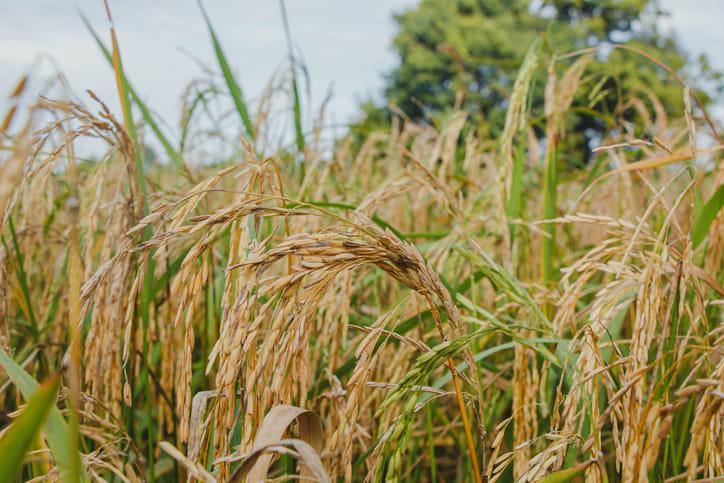
Paddy is the backbone of Indian agriculture, especially in states like West Bengal, Andhra Pradesh, Tamil Nadu, Telangana, Punjab, Odisha and Kerala. Among the many pests that attack paddy in the Kharif season, the brown planthopper in paddy, commonly called BPH, is one of the most dangerous. BPH can suddenly destroy a healthy-looking field within 7-10 days, creating round dry patches called "hopper burn". Many farmers notice the damage only when the crop has already collapsed. With timely scouting, balanced fertilizer use, and integrated pest management, BPH can be controlled before serious damage.
What is Brown Planthopper (BPH) in Paddy?
Brown planthopper (Nilaparvata lugens) is a small brown sap-sucking insect that lives at the base of paddy plants, just above the water level. Both adults and nymphs sit on the lower stem and suck sap continuously. Heavy feeding makes the plants weak, yellow, and finally dry. BPH also transmits viral diseases like ragged stunt virus and grassy stunt virus, which further reduce yield.
BPH attacks the crop mainly from maximum tillering stage to grain filling stage. Because the insects hide deep inside the canopy, early field scouting at the base of plants is very important to spot them before populations explode.
Symptoms
- Small brown insects (3-4 mm) clustered at the base of the plant just above water level.
- Yellowing and drying of leaves, starting from lower leaves and moving upwards.
- Round or oval patches in the field where plants have completely dried - known as "hopper burn".
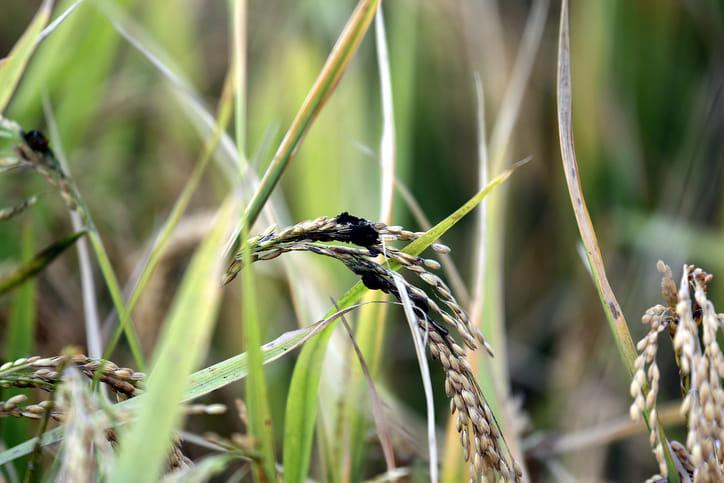
- Sticky honeydew on lower stem, with sooty mould (black fungal growth) developing on it.
- Stunted plant growth, fewer tillers, and poor panicle development.
- Empty or partially filled grains where panicles have already formed.
- Lodging (falling down) of plants in heavy attack due to weak stem base.
- Yield impact: 20-60% loss in moderate attack and almost complete loss in severe "hopper burn" patches.
Farmer Tip: Tap the base of paddy plants gently and look at the water surface. If many small brown hoppers float up or jump, BPH is present. If you see more than 5-10 hoppers per hill, take action immediately.
Favorable Conditions
BPH multiplies very quickly under specific conditions. Knowing these helps farmers avoid creating a favourable environment for the pest:
- High humidity (above 80%) and warm temperature (25-30°C).
- Continuous standing water in the field for many days.
- Closely planted paddy with very dense canopy and poor air movement.
- Excessive use of nitrogen fertilizer (especially urea), making plants soft and lush.
- Use of broad-spectrum insecticides early in the season, which kill natural enemies like spiders, mirid bugs, and dragonflies.
- Late-planted crops surrounded by already infested early-planted fields.
- Susceptible varieties with no inbuilt BPH resistance.
Preventive Measures
- Grow BPH-tolerant or resistant varieties recommended by your KVK or State Department of Agriculture.
- Avoid very dense planting; maintain 20 x 15 cm spacing for transplanted paddy.
- Apply nitrogen in 3 split doses; do not give heavy single dose of urea.
- Drain the field for 3-4 days at maximum tillering and again before booting - this disturbs BPH habitat.
- Avoid spraying broad-spectrum insecticides like synthetic pyrethroids in the early crop stage; they kill natural enemies and trigger BPH outbreaks.
- Practice clean cultivation; remove weeds and volunteer rice plants from bunds.
- Conserve natural enemies - spiders, mirid bugs, and damselflies feed on BPH.
- Scout the crop every 5-7 days, looking at the base of plants.
Management Practices
BPH should be managed through Integrated Pest Management (IPM). This includes resistant varieties, water management, conservation of natural enemies, biological products, and chemical sprays only when economic threshold is crossed (5-10 hoppers per hill at vegetative stage; 10-20 per hill at panicle stage). Farmers should not depend only on chemical sprays as it kills natural enemies and worsens BPH outbreaks.
Mechanical Control
- Drain the standing water from the field for 3-4 days when BPH is first noticed; this exposes hoppers and reduces humidity.
- Provide alleyways every 2 metres for better light, air, and spray penetration.
- Use light traps to attract and kill adult hoppers.
- Remove and destroy heavily infested patches if rest of field is still healthy.
- Avoid trampling the field repeatedly, which spreads honeydew and damages canopy.
Biological Control
Biological products and natural enemies are the safest way to keep BPH populations in check, especially during the early season. Below are commonly available bio-products from BigHaat:
Product Name | Technical Content | Dosage |
Azadirachtin 5.00% EC | 80-150 ml/Acre | |
Botanical extracts | 300ml/Acre | |
Metarhizium anisopliae 1% WP | 1-2lit/Acre | |
Verticillium Lecanii + Beauveria Bassiana + Metarhizium Anisopliae 2 x 10 * 8 CFU ml/min | 1lit/Acre |
Chemical Control
Use chemical insecticides only after correct identification and when the BPH population crosses the action threshold. Direct the spray towards the base of the plant where BPH actually sits. Always rotate chemical groups to avoid resistance, spray in the early morning or evening, and follow the label dosage carefully. Wear gloves, mask, and full-sleeve clothing while spraying.
Product Name | Technical Content | Dosage |
Pymetrozine 50% WG | 120 ml / Acre | |
Pymetrozine 50% WG | 120 gm/Acre | |
Pymetrozine 50% WG | 150 gm/Acre | |
Pymetrozine 50% WG | 120 gm/Acre | |
Flonicamid 50% WG | 60-80gm/Acre | |
Triflumezopyrim 10% SC | 94 ml /Acre | |
Imidacloprid 17.8% SL | 50-100gm/Acre |
Safety Tip: Always read the product label, follow the recommended dosage, and consult a local agronomist before spraying.
Best Time to Take Action
Start scouting from the maximum tillering stage. Check at least 20 hills in different parts of the field every 5-7 days. Use bio-pesticides like Beauveria or Metarhizium when hopper count is low (2-5 per hill) to keep populations under control. Drain the field as soon as BPH is detected. Use chemical insecticides only when the count crosses 5-10 hoppers per hill at vegetative stage or 10-20 per hill at flowering stage. Direct the spray to the base of the plant - that is where BPH actually feeds.
Common Mistakes Farmers Should Avoid
- Spraying only on top of the canopy - BPH lives at the base, so the spray misses the pest.
- Using cheap pyrethroid sprays (cypermethrin, deltamethrin) early in the season - this kills natural enemies and triggers BPH explosion.
- Applying excess urea, which makes the crop soft and attracts more hoppers.
- Keeping continuous deep standing water without occasional drainage.
- Mixing many insecticides in one tank without expert advice.
- Ignoring early symptoms; waiting until the field shows hopper burn patches.
- Repeating the same insecticide several times - leads to BPH resistance.
Conclusion
Brown planthopper is silent, fast, and destructive. Once a field shows hopper burn, the damage is already heavy. The best protection is regular scouting from the tillering stage, looking at the base of paddy plants. Use BPH-tolerant varieties, balanced nitrogen, proper spacing, and avoid early-season pyrethroid sprays so that natural enemies remain alive. Use bio-pesticides like Beauveria and Metarhizium for prevention, and choose modern selective insecticides only when threshold levels cross. Direct the spray to the plant base, rotate chemicals, and follow label dosage. Integrated management of BPH not only protects the present crop but also keeps the field ecosystem healthy for next season.
Disclaimer
Note: The information contained herein is for informational purposes only. Nothing herein shall be construed to be financial or legal advice. Viewers are advised to do their own research before making any decisions.