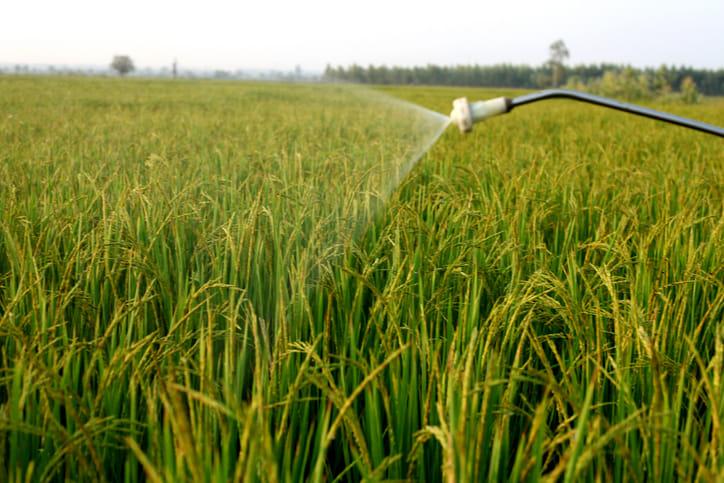
Day After Transplanting (DAT) is the most reliable way to plan paddy sprays because it ties the application to actual crop physiology, not to the calendar. This guide walks through the entire 30 to 120 DAT window, with stage-matched sprays for nutrients, weeds, pests, and diseases — useful across kharif and rabi seasons in Indian conditions.
Why DAT-Based Spraying Works
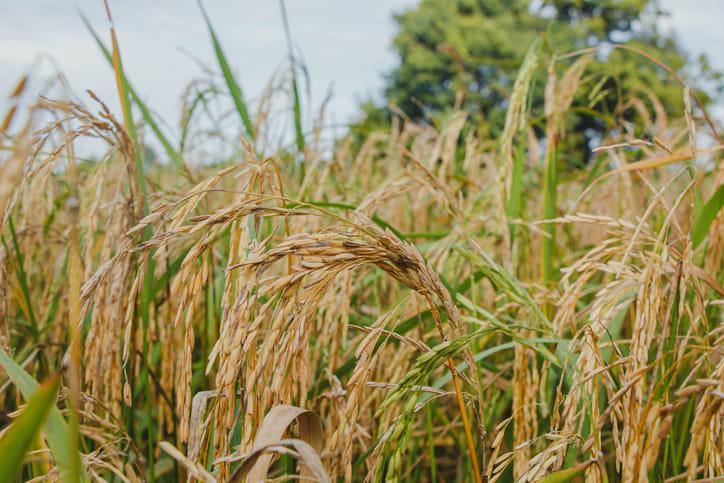
Paddy moves through clearly defined stages: tillering, panicle initiation, booting, flowering, milky, dough, and maturity. Each stage has its own pest, disease, and nutritional need. DAT-based scheduling avoids over-spraying and missed sprays.
30 to 45 DAT: Active Tillering
- Foliar spray 19:19:19 NPK at 5 g per litre to support tillering.
- Apply Cartap Hydrochloride 50 SP or Chlorantraniliprole 18.5 SC for stem borer if dead heart is seen.
- Spray Propiconazole 25 EC or Hexaconazole 5 SC at 1 ml per litre for sheath blight on lower leaves.
- Continue post-emergence weed control with Bispyribac Sodium or Pyrazosulfuron if missed earlier.
45 to 60 DAT: Late Tillering / Panicle Initiation
- Most yield-decisive stage — sprays here have the highest payoff.
- Spray Tricyclazole 75 WP at 0.6 g per litre for leaf blast.
- Monitor BPH at plant base; treat above ETL with Pymetrozine 50 WG or Buprofezin 25 SC.
- Foliar 0:52:34 (MAP) at 4 to 5 g per litre supports panicle development.
- Apply potassium nitrate or 13:0:45 at 5 g per litre to strengthen stem.
60 to 75 DAT: Booting Stage
- Spray Azoxystrobin + Difenoconazole or Tricyclazole 7 to 10 days before heading for neck blast prevention.
- Watch for leaf folder; treat above ETL with Flubendiamide or Chlorantraniliprole.
- Continue water depth of 4 to 5 cm; do not drain.
- Foliar 0:0:50 (SOP) helps panicle filling.
75 to 90 DAT: Flowering Stage
- Avoid insecticide sprays during peak bloom hours to protect pollinators.
- Spray Validamycin or Hexaconazole for sheath blight if still active.
- Maintain steady water; drought now causes empty grains.
- Foliar boron 0.1 percent at 0.1 to 0.2 percent in soils known to be boron deficient — follow label.
90 to 105 DAT: Milky to Dough Stage
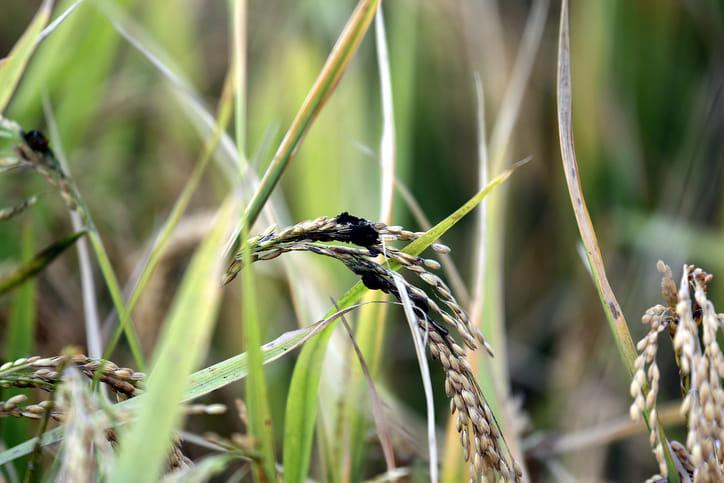
- Spray Propiconazole or Tebuconazole for false smut and sheath rot at boot leaf.
- Watch for late BPH and hopper burn; spot-spray Dinotefuran or Pymetrozine.
- Foliar potassium spray (13:0:45 at 5 g per litre) improves grain weight.
105 to 120 DAT: Grain Filling and Maturity
- Most spraying ends here.
- Drain field 7 to 10 days before expected harvest.
- Observe pre-harvest interval of any fungicide or insecticide used earlier — strict label compliance is required.
Quick Reference Table
DAT Window | Stage | Spray Focus |
|---|---|---|
30–45 | Tillering | Stem borer, sheath blight, NPK |
45–60 | Panicle Initiation | Blast, BPH, MAP, SOP |
60–75 | Booting | Neck blast prevention, leaf folder |
75–90 | Flowering | Sheath blight, water, pollinator care |
90–105 | Milky/Dough | False smut, BPH, K spray |
105–120 | Grain Fill | Final monitoring, drain field |
Common Mistakes to Avoid
- Using one fungicide repeatedly — leads to resistance.
- Spraying just before heavy rain.
- Mixing too many inputs in one tank without checking compatibility.
- Skipping panicle initiation spray — the single biggest yield loss point.
Conclusion
A 30 to 120 DAT spray schedule keeps paddy protected through every key stage. Always read the product label, follow the dose and pre-harvest interval, rotate chemical groups, and consult your local KVK or agriculture officer for region-specific advisories.