Introduction
Soybean is an important kharif crop in Madhya Pradesh, Maharashtra, Rajasthan, Karnataka, and Telangana. During monsoon, continuous rain and poor drainage can cause waterlogging stress. Soybean roots need oxygen, and when soil remains saturated, roots become weak, nodules stop working properly, and leaves may turn yellow.
Biostimulants can help the crop recover from stress, but they cannot replace drainage, disease management, or balanced nutrition.
Why Soybean Suffers After Heavy Rain
After 2–3 days of continuous rain or standing water, farmers may observe:
- Yellowing of lower leaves
- Poor root growth
- Brown or black roots
- Reduced nodulation
- Slow plant growth
- Wilting during afternoon
- Collar rot or root rot symptoms
- Poor flowering or pod setting if stress occurs later
This happens because waterlogged soil has low oxygen. Roots cannot breathe properly, beneficial microbes are affected, and disease-causing fungi may increase.
What Are Biostimulants?
Biostimulants are products that support plant growth and stress recovery. They are not substitutes for fertilizers or pesticides. Their role is supportive.
They may help by:
- Improving root activity
- Supporting nutrient uptake
- Reducing stress impact
- Improving microbial activity
- Supporting new growth after stress
6 Biostimulants That Can Help Soybean After Heavy Rains
|
Sr. No. |
Biostimulant Type |
Main Benefit |
Application Method |
|
1 |
Seaweed extract |
Supports stress recovery and new growth |
Foliar spray |
|
2 |
Humic acid + fulvic acid |
Improves root zone and nutrient uptake |
Soil application or drench |
|
3 |
Amino acid-based biostimulant |
Helps stressed plants resume growth |
Foliar spray |
|
4 |
Mycorrhiza/VAM |
Supports phosphorus uptake and root health |
Soil application |
|
5 |
PGPR-based microbial products |
Supports rhizosphere microbial activity |
Seed treatment or soil application |
|
6 |
Protein hydrolysate |
Supports metabolism and leaf recovery |
Foliar spray |
How to Use Biostimulants Correctly
Timing Tips
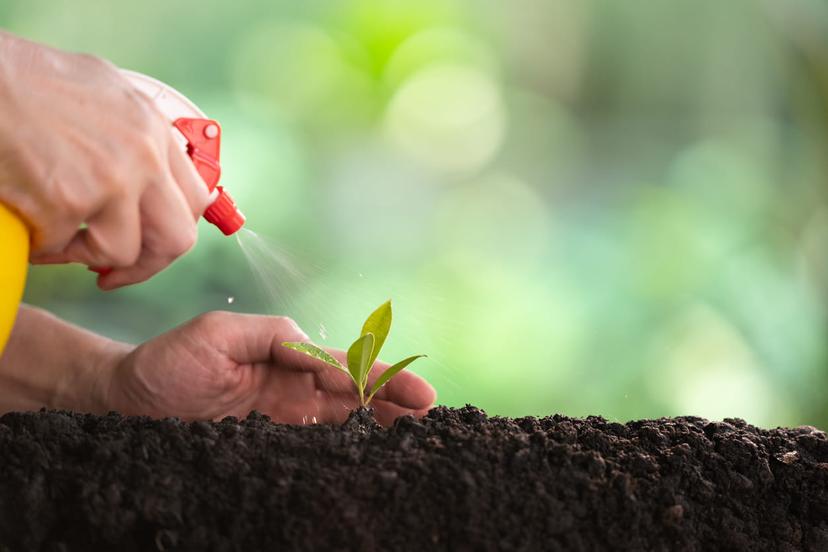
- First drain the standing water.
- Apply biostimulants only after the crop is no longer submerged.
- Spray when the plant shows recovery signs.
- Repeat only if stress symptoms continue and label allows.
- Spray in the early morning or late evening.
- Follow the product label dose strictly.
- Avoid spraying weak plants during peak heat.
Final Thoughts
Heavy rain stress in soybean should be managed step by step: first remove standing water, then protect the root zone, then support recovery with nutrition and biostimulants. Biostimulants can help, but they work best when used along with drainage, disease monitoring, and balanced crop care.
Farmers should consult a local agronomist or KVK before selecting any product, especially where root rot or collar rot is present.