





vegetableCropsHeroBanners

Latest Articles

26 May 2026

|

Crops

How to Reduce Flower Drop in Tomato and Chilli

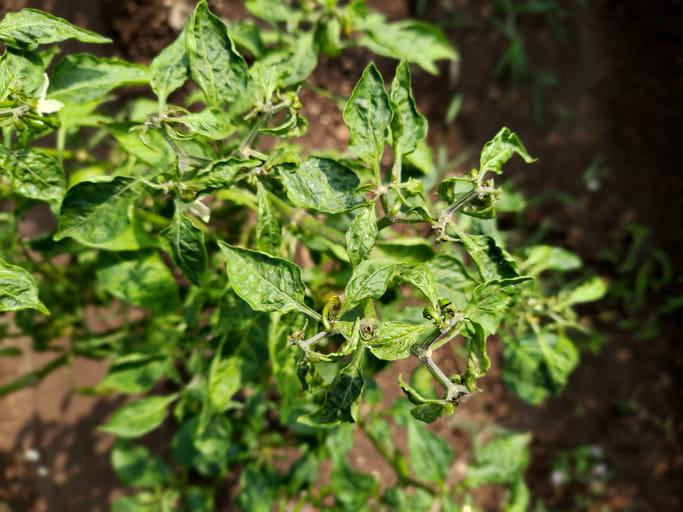
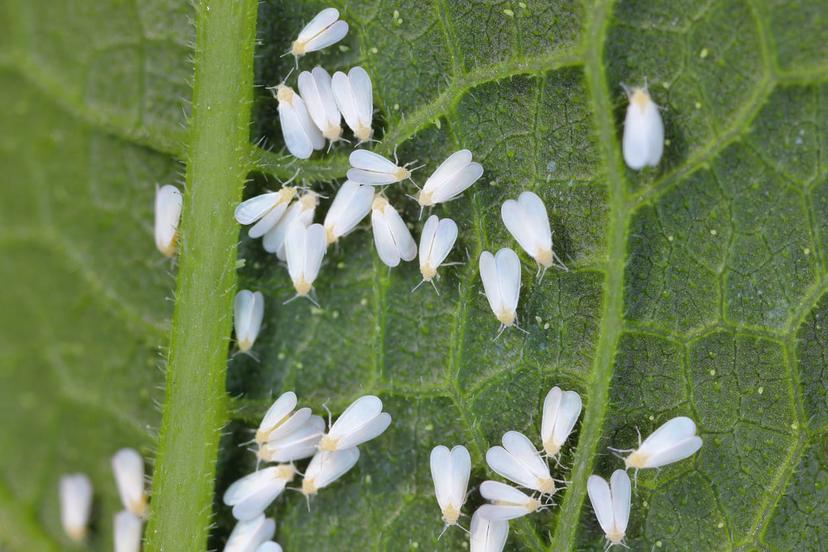
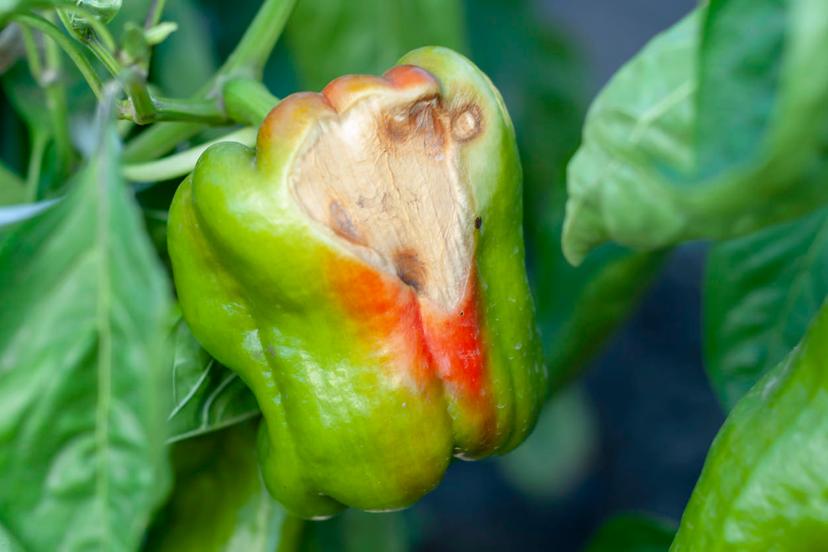
Tomato and chilli plants often produce plenty of flowers, but most fall off before forming fruit. Flower drop is the single biggest reason for low yield in these crops. The causes are usually nutritional and environmental, and all of them can be controlled with simple changes in field management. Why Flowers Drop in Tomato and Chilli Boron, zinc, or potassium shortage. Excess nitrogen pushing leafy growth. Day temperature above 35 °C or below 15 °C. Water stress or waterlogging. Poor pollination due to low bee activity or pesticide spray at bloom. Sucking pest damage (thrips, mites, whiteflies). Leaf curl virus or other viral infection. 1. Balance Nitrogen With P and K Reduce urea or nitrogen-only fertilizer from bud stage onwards. Switch to phosphorus and potassium-rich sources. Foliar spray 0:52:34 at 4 to 5 g per litre at bud initiation and 13:0:45 at 5 g per litre at flowering improves fruit setting. 2. Apply Boron at the Right Time Apply borax 4 to 6 kg per acre at field preparation in boron-deficient soils. Foliar spray 0.1 to 0.2 percent borax or Solubor at flower initiation. Repeat after 10 to 12 days during peak flowering. Do not over-apply — boron has a narrow margin between deficiency and toxicity. 3. Use Calcium for Tomato Especially Calcium reduces flower drop and blossom-end rot in tomato. Foliar spray of calcium nitrate at 0.5 percent at flowering and fruit set is effective. Soil application of gypsum 100 to 200 kg per acre helps in calcium-poor soils. 4. Maintain Even Moisture Use drip irrigation for uniform moisture. Mulch with paddy straw or polythene to reduce evaporation. Avoid both drought and flooding. Drain surface water within 24 hours of heavy rain. 5. Protect Pollinators Avoid insecticide sprays during morning bloom hours. If a spray is necessary, do it in late evening with bee-safer molecules. Encourage bee activity with marigold or coriander on field borders. Use yellow and blue sticky traps to manage pests with fewer sprays. 6. Use Plant Growth Regulators (PGRs) Carefully NAA (Naphthalene Acetic Acid) at 20 to 30 ppm reduces flower drop in chilli and tomato. Apply only at the recommended dose and crop stage. Overuse causes deformed flowers and yield loss. Follow product label and consult your local agronomist. 7. Manage Sucking Pests Early Thrips, mites, and whiteflies cause severe flower abortion. Monitor weekly with sticky traps. Use neem oil sprays at first sighting and switch to recommended insecticides like Spinosad, Fipronil, or Diafenthiuron above ETL, following label instructions. Quick Spray Plan to Reduce Flower Drop Stage Recommended Spray Pre-flowering 19:19:19 at 5 g/L + Zn 0.5 percent Flower initiation Borax 0.1–0.2 percent + 0:52:34 at 4 g/L Full bloom Calcium nitrate 0.5 percent + Seaweed 2 ml/L Fruit set 13:0:45 at 5 g/L + NAA 20 ppm if needed Conclusion Flower drop in tomato and chilli is mostly preventable with balanced nutrition, calcium and boron, even moisture, pollinator protection, and early pest control. Always follow product label instructions and consult your local KVK or extension officer for region-specific advice.

Carrot

No articles found

Okra

No articles found

Crucifers
View All Articles

INDIA’S LARGEST AGRICULTURE PLATFORM

400+

Brands

30M+

Farmers Served

9K+

Products

95%+

Pincodes Served