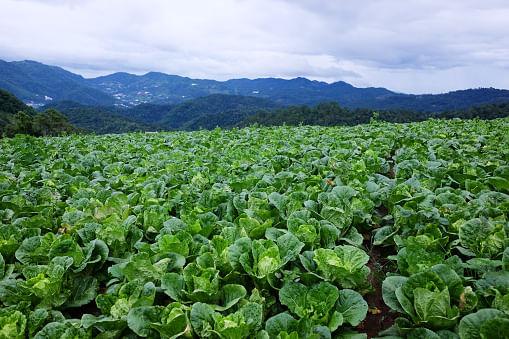
Cabbage is an annual crop grown globally in various colours, including green, red, purple, and white. Green and purple varieties are most widely available, while white and red have limited supply.
The cabbage plant varies in size, quality, maturity, and transplanting season. After potatoes, cabbage is the second-largest vegetable crop and one of the most daily consumed vegetables.
15 Steps to Improve Cabbage Crops
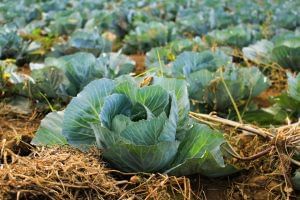
1. Climate and Soil Requirements
Sandy, medium-textured, and heavy soils with good moisture and drainage are ideal for cabbage farming. Fertilisers, organic matter, compost, and nutrient-rich manure are essential for high yield. Early-stage plants prefer light, moist soil; later stages prefer heavier soil. Soil pH directly affects nutrient availability, plant growth, and microorganism activity; therefore, soil testing should be done before cultivation.
2. Selection of site and land preparation
Choose a farm with no history of Cole crops, such as cabbage, broccoli, cauliflower, or Brussels sprouts to prevent the disease from attacking the cabbage plant early on. Treat soil with aged compost, manure, and organic matter before planting.
3. Selection of Varieties
Savoy, red and green is the three wide varieties of cabbage plants.
- Savoy cabbage is yellow-green with high yield
- Green cabbage ranges from light to dark green
- Red cabbage is crimson-purple with a smooth texture.
4. Suitable Season for Plantation
The right season depends on climate, farming method, variety of cabbage plants, and location:
- Plains: July to November is suitable.
- Hilly Regions: April to August.
5. Increase Cabbage growth
Before planting, mix aged manure and organic compost into the soil to a depth of 5-7 cm, then turn to 30 cm. Maintain soil pH between 6.5-6.8, adjustable up to 7 with lime to prevent disease.
In sandy soil areas, mix nitrogen or nitrogen-rich meal like cottonseed to boost leaf growth
6. Plantation Tips
Grow the cabbage plant in well-drained soil under the sun in cold weather to get the total growth of the crop. Rich nutrients from aged compost build the capability of fighting disease and pests while growing.
7. Fertilization
Cabbage needs good nutrition from sowing through head development. Apply basal fertilisers as per soil test recommendations. Avoid spray fertilizers, manual application is preferred to protect leaf quality.
Irrigate regularly to maintain soil moisture. Avoid applying fertiliser during head formation, as it can cause rapid growth and cracked heads.
8. NPK Fertilisation
Nitrogen, phosphorus, and potassium are key nutrients for cabbage plant development.
- During soil preparation, mix 12 tonnes of compost or FYM per acre along with NPK at 36:36:36 kg/acre.
- Apply half the nitrogen dose 30-45 days after planting.
- Calcium helps absorb groundwater and boosts leaf growth.
Deficiency of any nutrient can make leaves bitter, hard, and pale. Urea solution and liquid fertilizers can further improve production.
9. Spacing Between Plants
- Seed Rate: 300-500 g per acre
Planting cabbage at 4-5 levels with a sowing depth of ¼ - ½ inch and root depth of 2-5 feet helps improve crop growth and profitability. The plants generally attain a height of 12-15 inches and a width of 20-24 inches.
10. Irrigation Technique
- Irrigate every 3-12 days depending on climate, soil, and plant growth stage.
- Use sprinkler or furrow methods to distribute water evenly.
- Check groundwater levels and irrigate every 10–15 days during head formation. However, avoid flooding.
- A thin layer of mulch helps retain soil moisture.
11. Reasons Behind Small or No Head in Cabbage
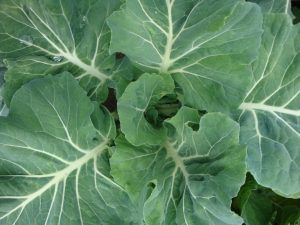
The four major reasons for small, loose, discoloured, or puffy heads are:
- High temperature
- Over or under fertilisation
- Insufficient irrigation
- Excess or deficient nitrogen
Always test soil, climate, and crop variety before applying fertiliser, water, or compost. Any imbalance can hinder cabbage plant development.
12. Reasons Behind Holes in Leaves and Wilting
Cabbage loopers, yellow-striped caterpillars, and adult brown nocturnal insects eat the leaves and create holes. Remove these insects by hand or by spraying appropriate chemicals.
13. Pests and Diseases in Cabbage
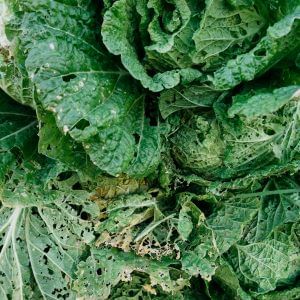
Pests and diseases damage the leaves and roots of cabbage plants. Key control measures:
- Avoid excess fertiliser
- Cover plants when necessary
- Use premium-quality cabbage seeds
- Use hybrid and disease-resistant varieties in cabbage farming
14. Harvesting
Cabbage is ready to harvest when heads appear firm and solid. Asian and Napa varieties are ready when leaves reach 12 inches in length with a 4-10 inch firm base. Winter cabbage is easier to transport and store. Remove damaged leaves and harvest fresh ones.
Note: The information contained herein is for informational purposes only. Nothing herein shall be construed to be financial or legal advice. Pesticides are a considerable risk of loss in crops and viewers are advised to do their own research before making any decisions.
Frequently Asked Questions
Q1. What type of manure is suitable for cabbage plants?
The aged or old manure is best for the cabbage plant before sowing. Never treat your soil with fresh manure, as it can cause human pathogen transmission to the crop. It can pop as a hindrance to high yield.
Q2. What is the ideal soil pH for cabbage cultivation in India?
Soil pH between 6.5 and 6.8 is ideal for cabbage farming. It can be adjusted up to 7 by adding lime, which also helps prevent common soil-borne diseases.
Q3. What is the best season for growing cabbage in India?
In the plains, July-November is a suitable season for cabbage cultivation. In hilly regions, April-August gives the best results.