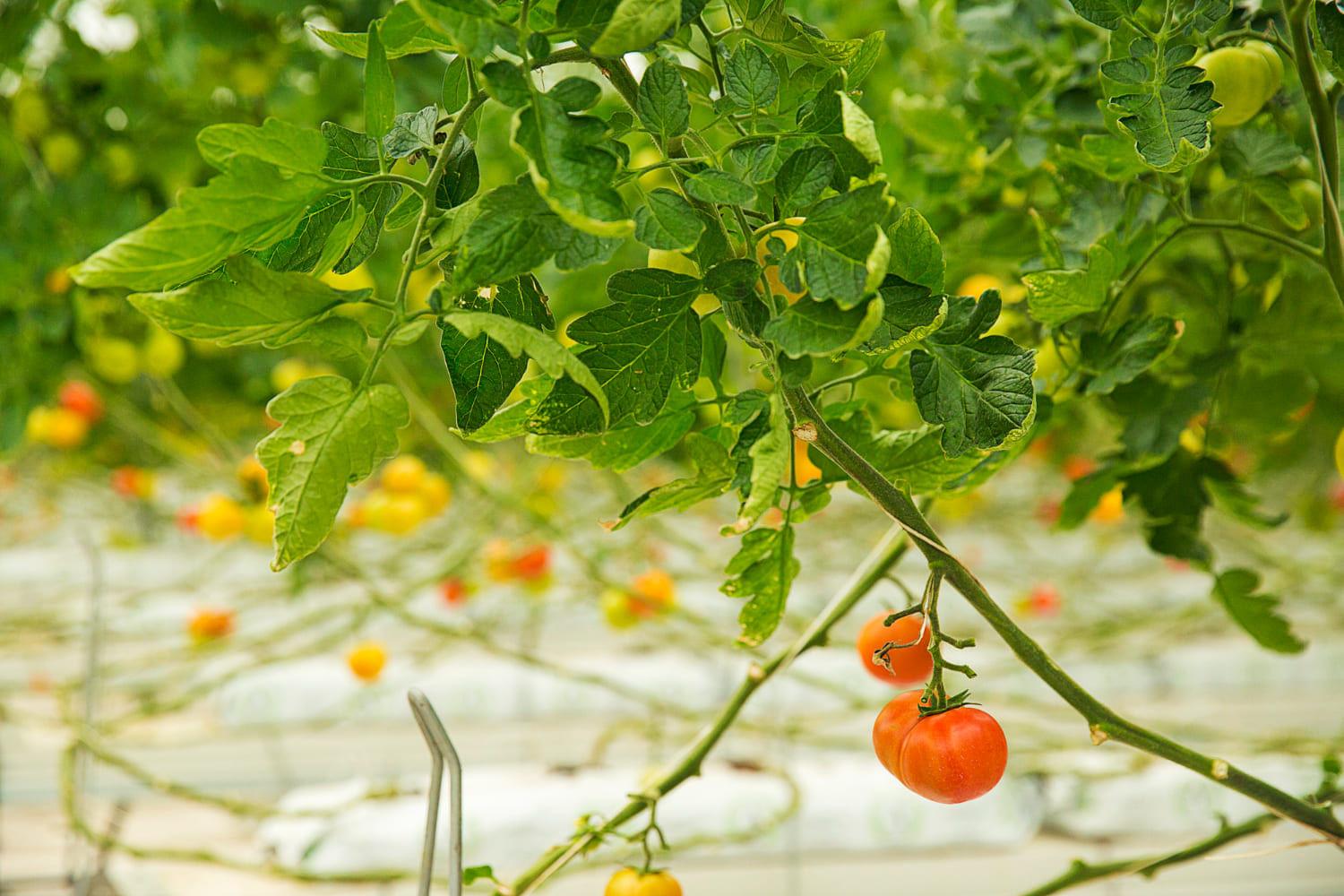
Leaf curl disease is a major problem in many crops, affecting growth, yield, and productivity. It is caused by group of viruses known as begomoviruses, and is mainly spread by whiteflies. This article gives a simple overview of leaf curl disease and practical management strategies. By understanding symptoms and transmission, and using preventive measures like crop rotation, sanitation, and insect control, farmers can reduce its impact of leaf curl virus on your yields.
How is it caused?
- The main transmission of leaf curl virus is through whiteflies (Bemisia tabaci). These insects feed on infected plant sap, pick up the virus, and spread it to healthy plants.
- The virus can be introduced into a region through infected seedlings or saplings.
- Leaf curl disease is more common in warm tropical climates (25–30°C), which favour both the virus and whiteflies.
- Some weeds and alternate hosts act as reservoirs for the virus.
- Lack of crop rotation can increase the buildup and spread of the virus within a field or across neighbouring fields.
Host crops
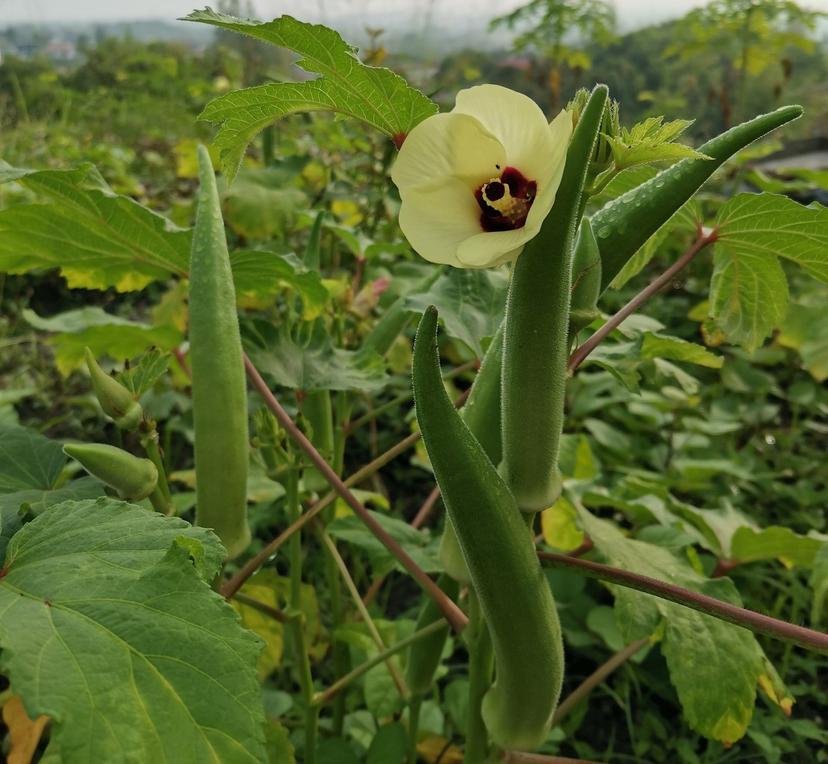
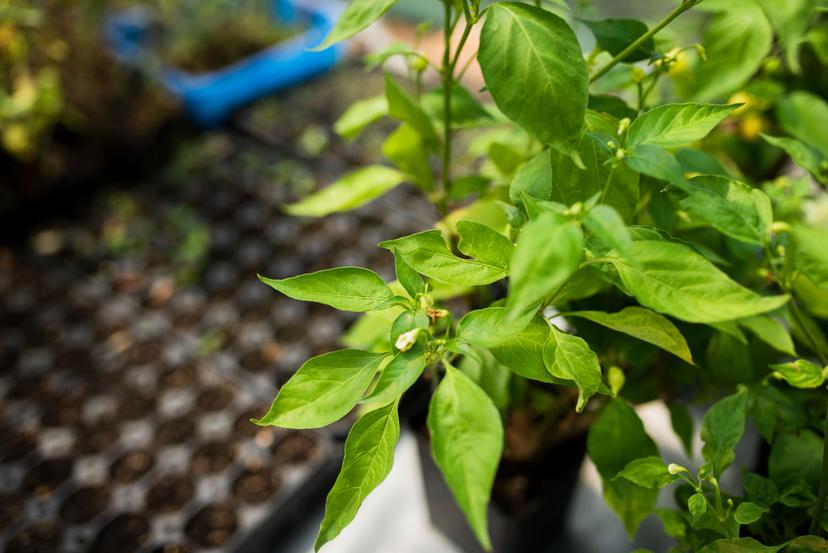
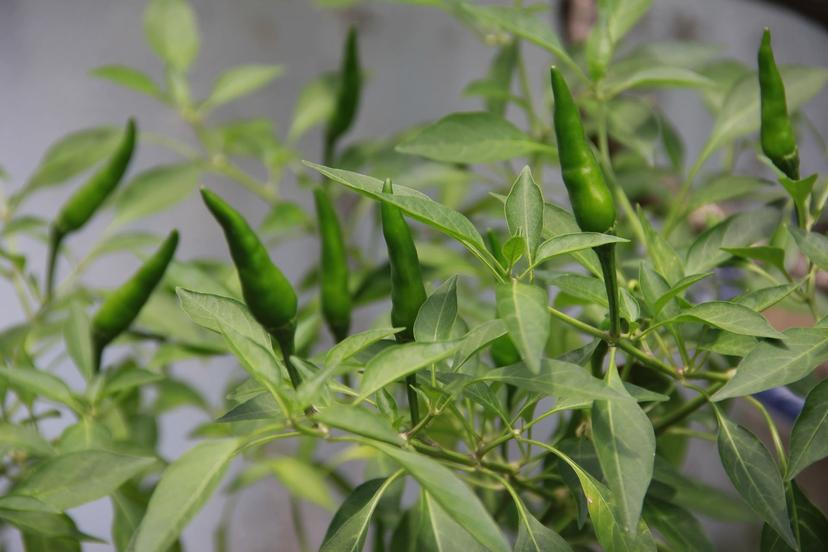
Leaf curl viruses affect a wide range of host crops, including tomato, chilli, brinjal, cotton, tobacco, okra, papaya, and cucurbits.
Symptoms of leaf curl virus:
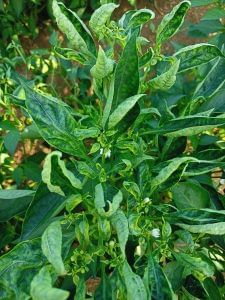
- The affected leaves exhibit an upward or downward curling along their edges, giving them a cupped or crinkled appearance.
- These leaves often become thick and leathery compared to healthy leaves. They may also appear stiff and brittle.
- They may show yellowing or chlorosis, particularly along the veins.
- Veins on infected leaves may appear thicker and enlarged.
- Infected plants may not produce flowers and fruits, or they produce fewer flowers and fruits that are small, misshapen, or of poor quality.
- Plants affected by the virus show stunted growth, characterised by shortened internodes and significantly reduced leaf size.
Preventive Measures
- Use disease-free seeds or seedlings like Polyana polyhouse tomato, Namdhari tomato seeds 592, Venus plus bhendi, Sarpan F1 Hybrid chilli seeds, Sarpan chilli seeds F1 291, Mona 002 bhendi, JK desi tomato seeds.
- Practice crop rotation and avoid repeated planting of susceptible crops. For example, rotate tomato or chilli with legumes, onion, or brassicas.
- Early planting can help establish crops before the peak disease period.
- Remove and destroy any plants showing symptoms of leaf curl disease.
- Remove weeds in and around the field.
- Grow barrier crops around the field to deter whiteflies.
- Install 6 - 8 yellow sticky traps for per acre field to control the whitefly population.
Management of Leaf Curl Virus in Crops
There is no specific cure for viral infections. However, preventive measures, good plant health, and vector control help in leaf curl disease treatment.
Early use of organic viricide and micronutrient at early stages of crop growth may help to boost the plant’s natural defense mechanisms and enhance the resistance towards diseases.
|
Product name |
Technical content |
Dosage |
|---|---|---|
|
Plant Extracts |
2 - 3 ml/lit water |
|
|
Organic compounds |
5 gm/lit water |
|
|
Manganese 12% |
0.5 gm/lit water |
|
|
Multi Micronutrients |
2.5 ml/lit water |
Management of Vector, Whitefly:
Control the population of whiteflies by following a combination of mechanical+ biological + chemical management to help reduce the spread of the virus.
|
Product name |
Technical content |
Dosage |
|---|---|---|
|
Mechanical Management |
||
|
Yellow sticky trap |
12 traps per acre (moderate infestation) or 15 traps per acre (heavy infestation) |
|
|
Biological Management |
||
|
Neem Oil extracts (Azardiractin) |
1 - 2 ml/lit water |
|
|
Nano Colloidal Micelles 100% (Fatty Acid based Plant Extracts) |
3 ml/lit water |
|
|
Beauveria bassiana |
2.5 ml/lit water |
|
|
Chemical Management |
||
|
Dinotefuran 20% SG |
0.2 gm/lit water |
|
|
Imidacloprid 17.8% SL |
1 ml/lit water |
|
|
Spiromesifen 22.9% SC |
0.3 ml/lit water |
|
|
Thiamethoxam 25% WG |
0.3 gm/lit water |
|
|
Cyantraniliprole 10.26% OD |
1.5 ml/lit water |
|
|
Acetamiprid 20% SP |
0.2 gm/lit water |
|
|
Fipronil 40% + Imidacloprid 40% WG |
0.3 gm/lit water |
|
|
Diafenthiuron 47% + Bifenthrin 9.4% SC |
1.25 ml/lit water |
|
NOTE: Follow product’s label to know the right time of application
Leaf Curl Confusions
Leaf curl symptoms can indeed be confused with viral, fungal diseases, and physiological disorders.
- Fungal leaf curl diseases are caused by various pathogenic fungi, such as Taphrina spp., that infect plants and cause abnormal leaf curling symptoms. Presence of fungal structures, spores or visible fungal growth along with lesions or spots indicates fungal disease.
- Physiological leaf curl disorders, also known as non-infectious leaf curl, are not caused by pathogens but rather by environmental or physiological factors. These disorders often result from adverse growing conditions, nutrient imbalances, extreme temperatures or other stress factors.
Read More: Effective Management of Leaf Curl Virus in Chilli Crops
Frequently Asked Questions
What causes leaf curl disease in crops?
Leaf curl disease is caused by viruses and mainly spread by whiteflies.
Which season is favourable for leaf curl disease?
Leaf curl disease is more common in warm conditions (25–30°C) that favour whitefly activity.
How does leaf curl spread in crops?
Leaf curl spreads mainly through whiteflies that carry the virus from infected plants to healthy ones.