Key Highlights
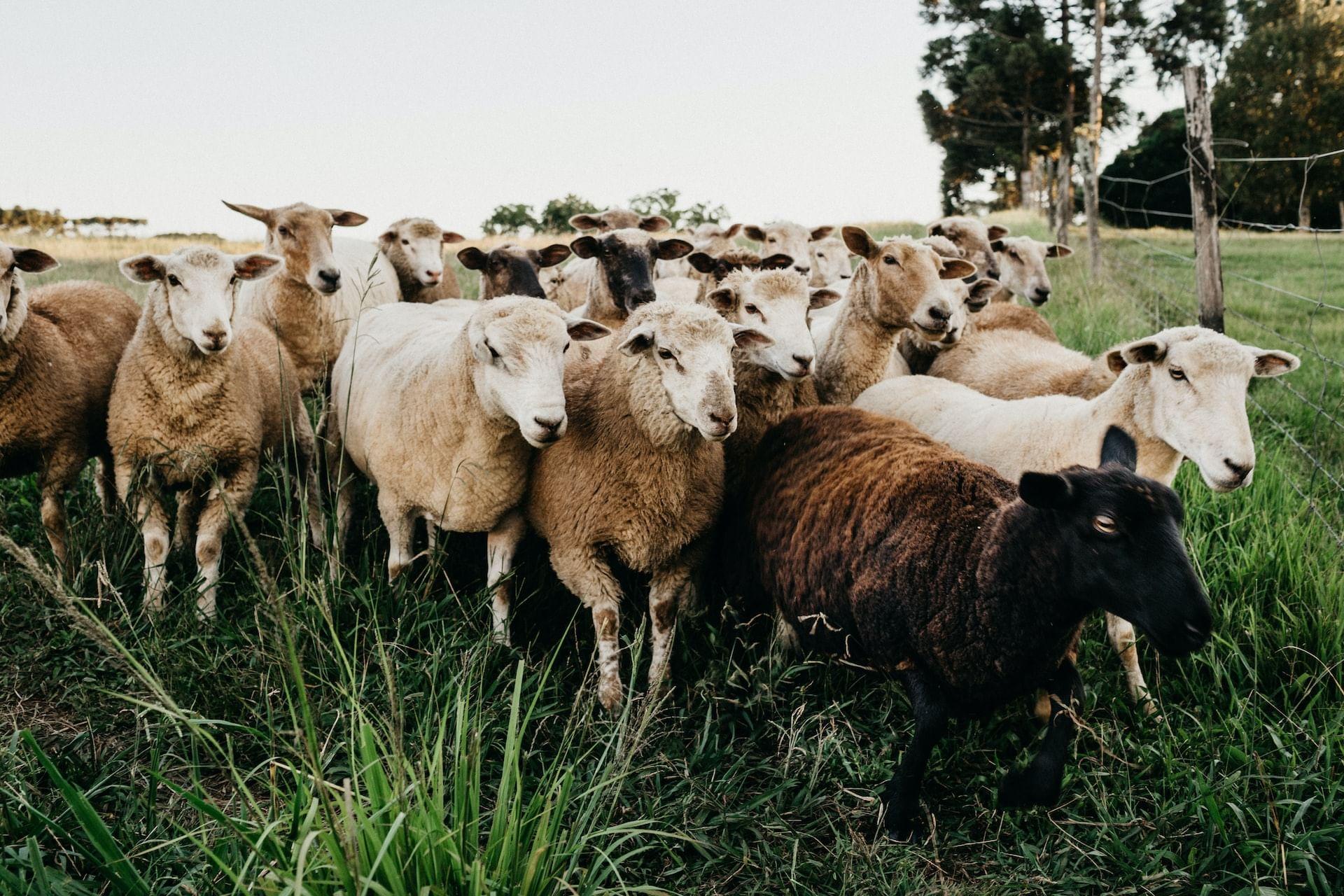
Sheep and Goat farming are popular livestock businesses in India, mainly for meat and wool production. One of the biggest advantages is the additional income from manure, which makes this business more profitable with very few drawbacks.
States like Karnataka, Andhra Pradesh, and Maharashtra are leading in sheep farming. On average, farmers can earn around ₹4,000-₹5,000 per sheep. Sheep are usually sold at ₹100-₹200 per kg, depending on the state and market demand.
Profit increases significantly when you rear 100 or more sheep. Apart from meat, manure can generate around ₹50,000 annually (at ₹1,500 per ton), adding to overall income.
What is Sheep Farming?
Sheep farming is a branch of animal husbandry where sheep are raised for meat, milk, wool, and skin. It is one of the oldest and most profitable livestock businesses in India. Farmers raise both indigenous and crossbred sheep, depending on climate and market demand.
Main Reasons to Start Sheep Farming
- The primary reason for sheep farming is that it requires minimal investment. The modern sheep farming business can easily find loans so it is not a great burden on you.
- It is easier to raise sheep in a limited space.
- Taking care of the flock is trouble-free and you don’t need too much labor power to sustain it.
- The main feed is low-maintenance grass which is usually abundant in rural areas.
- This is a wonderful idea for the unemployed who need minimal input and can reap better output with proper management.
How to start Sheep Farming?
A proper sheep farming business plan is essential before starting. Follow these steps:
- Select the right location: Ensure availability of clean water, grazing land, shelter, and transport facilities.
- Choose suitable breeds: Select breeds based on local climate. Popular Indian breeds include Chokla, Jaisalmeri, Marwari, Magra, and Nali. In Karnataka, Hassan and Mandya breeds are widely preferred.
- Build proper shelter: Provide a clean, airy shed with good drainage to protect sheep from extreme weather.
- Manage feeding: Provide balanced nutrition based on age. Sheep are herbivores, so feeding costs remain low.
- Veterinary care: Regular health check-ups help prevent diseases and improve productivity.
- Marketing strategy: Sell in local markets or nearby towns for better returns, especially for small-scale farmers.
Prospects of Sheep Farming in India
Sheep farming in India is widely practiced across different states, especially in dry and semi-arid regions. Farmers usually prefer local breeds, while large-scale farms may use improved or crossbred varieties.
Many states offer government subsidies and schemes to support sheep farming businesses. For example, Telangana has subsidy programs for livestock farmers.
Even with a low budget, farmers can start with simple shelters made of local materials, making it accessible for small and marginal farmers.
Conclusion
Before starting, gather proper knowledge about sheep or goat farming business. While traditional knowledge is useful, combining it with modern practices can improve profits.
Sheep farming is a low-risk, high-potential business when managed properly. With the right planning and execution, farmers can build a sustainable and profitable livelihood.