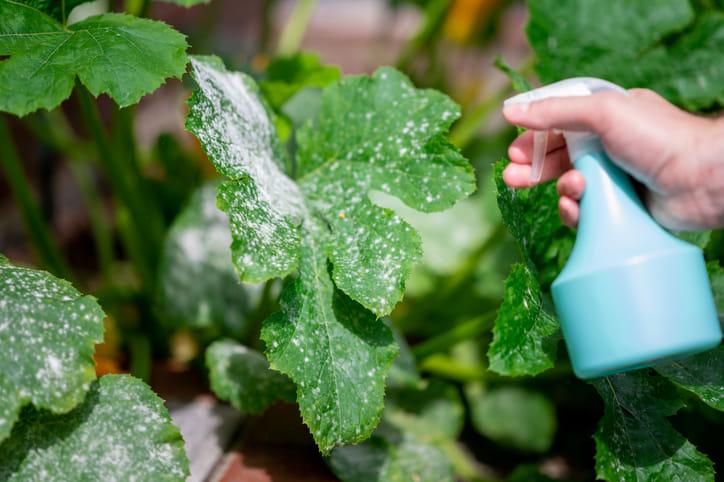
The monsoon brings relief to Indian farmers, but also high humidity, waterlogging, and rapid spread of fungal diseases. Blights, rusts, downy mildew, and root rots can wipe out a major share of yield within days if left unchecked. Prevention is far cheaper than cure. The right combination of resistant varieties, field hygiene, and timely sprays keeps fungal pressure low through the rainy season.
Why Fungal Diseases Spread Fast in Monsoon
Fungi need three things to flourish: moisture, warmth, and a host plant. The monsoon provides all three. Continuous wetting of leaves, poor air circulation due to dense canopy, and frequent splashing of soil onto lower leaves help spores germinate and infect the plant.
1. Start With Resistant Varieties
Choosing a disease-resistant or tolerant variety is the cheapest form of protection. Examples include:
- Paddy: varieties resistant to blast and bacterial leaf blight (check IRRI/ICAR recommended lines for your zone).
- Wheat: rust-resistant varieties released by ICAR-IIWBR and state agricultural universities.
- Tomato: early blight and late blight tolerant hybrids.
- Soybean: rust-tolerant varieties suited to central India.
- Cotton: bacterial blight tolerant Bt and non-Bt varieties.
Always confirm the latest recommended varieties with your district KVK or state agriculture department.
2. Treat the Seed Before Sowing
Seed treatment is a low-cost step that prevents seed-borne and early-stage soil-borne diseases. Common chemical and biological seed treatments include:
- Carbendazim or Thiram for damping-off and seed rot.
- Trichoderma viride or Trichoderma harzianum (bio-control) at 5 to 10 g per kg of seed.
- Pseudomonas fluorescens for root rot and wilt suppression.
- Always follow product label dose and avoid mixing chemical and bio agents unless approved.
3. Improve Field Drainage
Waterlogged fields are the single biggest cause of root rot, collar rot, and damping-off in monsoon. Practical steps:
- Make raised beds for vegetables, pulses, and oilseeds in heavy-rain areas.
- Open drainage channels along field bunds before the rainy season starts.
- Avoid sowing low-lying patches that hold water for more than a day.
- In paddy, maintain only the recommended water depth; standing water beyond limit invites stem rot.
4. Keep Field Hygiene High
- Remove and destroy infected plant parts as soon as symptoms appear.
- Do not leave diseased crop residue in or around the field.
- Burn or compost residue properly to kill spores.
- Clean tools, sprayers, and footwear when moving between healthy and infected blocks.
5. Avoid Dense Plant Population
Over-sowing creates dense canopy, traps humidity, and reduces air movement, all of which favour fungi. Follow recommended spacing for each crop. In tomato, chilli, and cotton, prune lower leaves and remove excessive branches to improve airflow.
6. Balanced Nutrition Reduces Disease Risk
Excess nitrogen creates lush, soft growth that is highly vulnerable to blights and mildews. Balanced application of phosphorus, potassium, and micronutrients like zinc and boron strengthens plant defences. Potassium especially helps thicker cell walls and better disease tolerance.
7. Use Preventive Fungicide Sprays Wisely
When disease pressure is high or rain is continuous, scheduled fungicide sprays can save the crop. Use protectant fungicides at the first sign of disease and switch to systemic ones for established infections. Examples:
- Mancozeb or Copper Oxychloride: protectant sprays against many leaf-spot and blight diseases.
- Metalaxyl + Mancozeb: against downy mildew and late blight.
- Carbendazim or Hexaconazole: systemic option against several leaf and stem diseases.
- Azoxystrobin or Tebuconazole: broad-spectrum systemic fungicides.
Always read the label, follow the recommended dose, observe the pre-harvest interval, and rotate fungicide groups to avoid resistance. Consult your local agriculture officer or KVK before choosing a new fungicide.
8. Use Bio-Fungicides for Long-Term Protection
Trichoderma and Pseudomonas based products applied to soil or as seed treatment build long-term suppression of soil-borne fungi. They are safe, residue-free, and work well alongside organic manure.
Quick Pre-Monsoon Checklist
- Choose recommended resistant variety.
- Treat seed before sowing.
- Prepare drainage channels.
- Plan spacing as per package of practices.
- Stock protectant fungicides and bio-agents in advance.
- Monitor field at least twice a week during monsoon.
Conclusion
Fungal diseases during monsoon can damage a crop quickly, but they are largely preventable. Combine resistant varieties, seed treatment, good drainage, balanced nutrition, and timely sprays for the best results. Always follow label instructions and seek advice from your local KVK or agriculture officer.