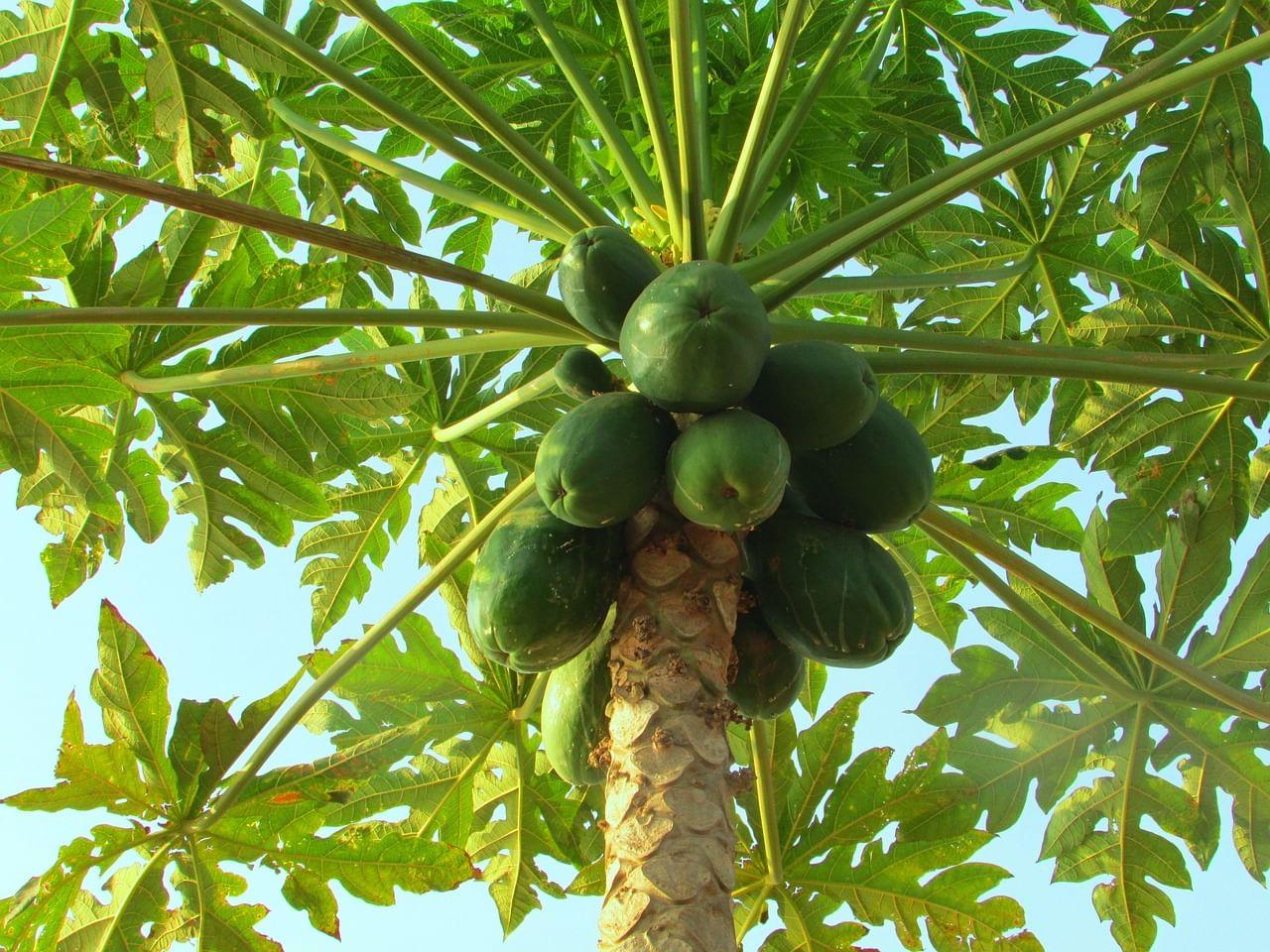
Key Highlights of This Papaya Cultivation Guide
Papaya is one of the most profitable fruit crops in tropical agriculture due to its fast growth and high yield. This guide explains the complete papaya cultivation process, including soil requirements, climate, nursery preparation, fertilizer schedule, irrigation, pest management, and expected yield per acre.
- Ideal soil and climate conditions for papaya farming in India
- Recommended papaya plant spacing and plantation methods
- Step-by-step papaya farming practices from nursery to harvest
- Proper papaya fertilizer schedule for higher yield
- Important pests and diseases affecting papaya agriculture
- Average papaya yield per acre and harvesting indicators
This papaya cultivation guide is designed for farmers, home gardeners, and agricultural professionals looking to improve productivity and profitability in papaya farming.
What is Papaya Cultivation and Why is it Profitable?
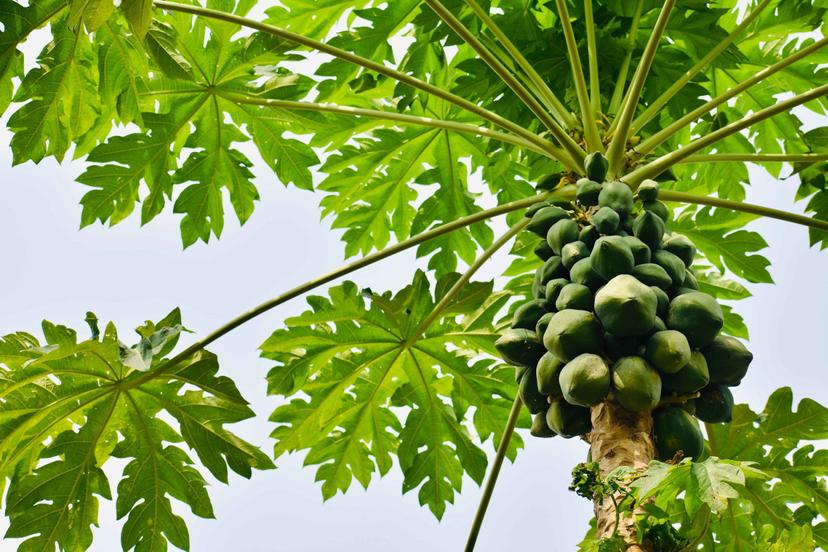
Papaya cultivation refers to the scientific process of growing papaya (Carica papaya), a tropical fruit crop known for its high nutritional value and commercial demand.
Papaya is rich in:
- Vitamin C
- Vitamin A
- Potassium
- Minerals and antioxidants
Because of its short crop cycle and continuous fruiting, papaya farming can generate income within 8 - 10 months after planting.
According to agricultural estimates, India cultivates papaya on about 1.48 lakh hectares, producing nearly 5.88 million tonnes annually.
Major papaya farming states include:
- Karnataka
- Tamil Nadu
- Andhra Pradesh
- Maharashtra
- Gujarat
- Uttar Pradesh
- Bihar
- Kerala
Due to its high yield per acre and growing market demand, papaya agriculture has become an attractive option for farmers.
What Are the Ideal Soil Conditions for Papaya Farming?
For successful papaya farming practices, selecting the right soil is extremely important.
Ideal soil requirements
|
Factor |
Recommended condition |
|---|---|
|
Soil type |
Sandy loam or well-drained loamy soil |
|
Soil pH |
6.0 – 6.5 |
|
Drainage |
Excellent drainage required |
|
Organic matter |
High organic content preferred |
Papaya plants have shallow root systems, which means they are highly sensitive to waterlogging. Even 24 - 48 hours of standing water can damage the roots and kill plants.
To improve soil health in papaya cultivation, farmers should incorporate:
- Farmyard manure (FYM)
- Compost
- Neem cake
- Organic mulching
What Climate is Suitable for Papaya Farming in India?
Papaya grows best in warm tropical and subtropical climates, making papaya farming in India highly successful across many states.
Ideal climate conditions
|
Parameter |
Requirement |
|---|---|
|
Temperature |
25 - 30°C |
|
Minimum temperature |
Above 12°C |
|
Sunlight |
Full sunlight |
|
Rainfall |
Moderate rainfall |
Temperatures below 10°C can slow plant growth and fruit ripening. Strong winds may also damage plants, so farmers often establish windbreaks around papaya plantations.
Which Papaya Varieties Are Best for Cultivation?
Selecting the right hybrid is crucial for improving papaya yield per acre.
Popular papaya varieties
|
Variety |
Key features |
|---|---|
|
Red Lady |
Virus-tolerant, 1.5-2 kg fruits |
|
IRIS Hybrid |
Suitable for all seasons |
|
Sarpan Solo-109 |
120-150 fruits per plant |
|
Honey Gold F1 |
High-yielding and transport-tolerant |
|
IRIS RC-315 |
Vigorous plants with oval fruits |
Most commercial farmers prefer hermaphrodite papaya varieties because they can self-pollinate and produce uniform fruits.
How to Prepare Seeds and Nursery for Papaya Cultivation?
Proper nursery management plays a key role in successfully cultivating papaya.
Seed Rate
|
Variety Type |
Seed Rate |
|---|---|
|
Varieties |
200 g per acre |
|
Hybrids |
100 g per acre |
Seed Treatment
Papaya Seeds should be treated before sowing to improve germination and reduce fungal infections.
Common treatments include:
- Gibberellic acid treatment to break dormancy
- Bio-fungicides or carbendazim for disease protection
Nursery Preparation
Seedlings can be raised in:
- Raised nursery beds
- Poly bags filled with soil, sand, and compost
Seedlings are usually ready for transplanting in 45 - 60 days.
What is the Ideal Papaya Plantation Spacing?
Proper papaya plant spacing improves sunlight exposure, airflow, and fruit development.
Recommended Papaya Plantation Spacing
|
Planting Method |
Spacing |
Plants per Acre |
|---|---|---|
|
Normal planting |
1.8 m × 1.8 m |
~1200 plants |
|
High-density planting |
1.25 m × 1.25 m |
~2590 plants |
Correct papaya plantation spacing helps reduce disease spread and improves fruit size.
What is the Recommended Papaya Fertilizer Schedule?
Providing balanced nutrients is essential for good papaya farming practices.
Basic Nutrient Requirement
|
Nutrient |
Quantity per Plant per Year |
|---|---|
|
Nitrogen |
200 g |
|
Phosphorus |
200 g |
|
Potassium |
400 g |
Organic Fertilizers
|
Input |
Dose |
|---|---|
|
Farmyard manure |
10 kg per plant |
|
Neem cake |
1 kg per plant |
Application Method
Fertilizers should be applied in trenches 20–30 cm away from the plant stem to ensure proper nutrient absorption.
Regular nutrient management significantly improves papaya yield per acre.
What Irrigation Practices Are Best for Papaya Farming?
Water management plays a key role in papaya agriculture.
Irrigation Schedule
|
Season |
Irrigation Interval |
|---|---|
|
Summer |
Every 7 days |
|
Winter |
Every 10–15 days |
Common irrigation methods include:
- Basin irrigation
- Ring irrigation
- Drip irrigation
Drip irrigation is highly recommended because it:
- Saves water
- Improves fertilizer efficiency
- Maintains soil moisture
What Intercultural Practices Improve Papaya Yield?
Proper field management improves productivity in papaya farming.
Important practices include:
Weed control
Regular weeding is necessary during the first year to reduce nutrient competition.
Earthing up
Earthing up prevents water stagnation and strengthens plant roots.
Staking
Plants may need support using bamboo sticks to prevent lodging.
Fruit thinning
Removing extra fruits from a cluster improves fruit size and quality.
What Are the Major Pests and Diseases in Papaya Farming?
Several pests and diseases affect papaya cultivation.
Common papaya pests
|
Pest |
Damage |
|---|---|
|
Aphids |
Transmit papaya ringspot virus |
|
Whiteflies |
Cause leaf curl disease |
|
Spider mites |
Cause leaf discoloration |
|
Fruit flies |
Damage ripening fruits |
Major papaya diseases
|
Disease |
Symptoms |
|---|---|
|
Damping off |
Seedling death in the nursery |
|
Powdery mildew |
White powdery growth on leaves |
|
Anthracnose |
Dark lesions on fruits |
|
Papaya ringspot virus |
Mosaic patterns on leaves |
Regular monitoring and integrated pest management (IPM) practices help protect papaya crops.
When is Papaya Ready for Harvest?
Papaya plants start flowering about 6 - 7 months after planting, and fruits are usually ready for harvest in 10 - 11 months.
Harvesting indicators
Papaya fruits should be harvested when:
- Fruit color changes from dark green to light green
- A slight yellow color appears near the fruit tip
- Latex becomes watery
Harvest fruits carefully using sharp knives to avoid damage.
What is the Average Papaya Yield Per Acre?
Yield depends on variety, management practices, and climate.
Expected yield
|
Parameter |
Average production |
|---|---|
|
Yield per plant |
30 – 50 kg |
|
Yield per acre (1st year) |
12 – 16 tonnes |
|
Yield per acre (2nd year) |
6 – 8 tonnes |
With proper papaya farming practices and nutrient management, farmers can achieve higher yields and better profitability.
Papaya is one of the most rewarding fruit crops in tropical agriculture due to its fast growth, early fruiting, and high market demand.
By following a proper papaya cultivation guide, farmers can improve:
- Crop productivity
- Fruit quality
- Farm income
Key success factors in papaya cultivation include selecting the right variety, maintaining proper papaya plant spacing, following a balanced papaya fertilizer schedule, and protecting the crop from pests and diseases.
With proper management, papaya farming in India can provide excellent returns and sustainable income for farmers.
Frequently Asked Questions
1. What is the best spacing for papaya cultivation?
The recommended papaya plant spacing depends on the variety and planting method. For normal planting, a spacing of 1.8 m × 1.8 m is commonly followed. In high-density papaya plantation spacing, farmers may adopt 1.25 m × 1.25 m, which can accommodate around 2500 plants per acre. Proper spacing improves sunlight penetration, airflow, and fruit development in papaya farming.
2. How long does papaya take to produce fruits after planting?
In most papaya farming practices, the plants begin flowering 5 - 6 months after transplanting. Fruits usually become ready for harvest within 8 - 11 months depending on the variety, climate, and management practices followed in papaya cultivation.
3. What is the average papaya yield per acre in India?
Under good papaya farming in India, the average papaya yield per acre ranges from 12 to 16 tonnes in the first year. In the second year, farmers can expect about 6 to 8 tonnes per acre depending on soil fertility, irrigation, and pest management practices.
4. What fertilizer schedule should be followed for papaya plants?
A balanced papaya fertilizer schedule is essential for healthy growth and higher fruit yield. Generally, each plant requires about 200 g nitrogen, 200 g phosphorus, and 400 g potassium per year along with organic manure like 10 kg farmyard manure and 1 kg neem cake per plant. Fertilizers should be applied in split doses every 60 days during the growing period.
5. Which climate is suitable for papaya farming?
Papaya grows best in warm tropical climates with temperatures between 25°C and 30°C. It requires good sunlight and well-drained soil. Extremely low temperatures below 10–12°C can slow plant growth and affect fruit development, making climate selection important for successful papaya agriculture.