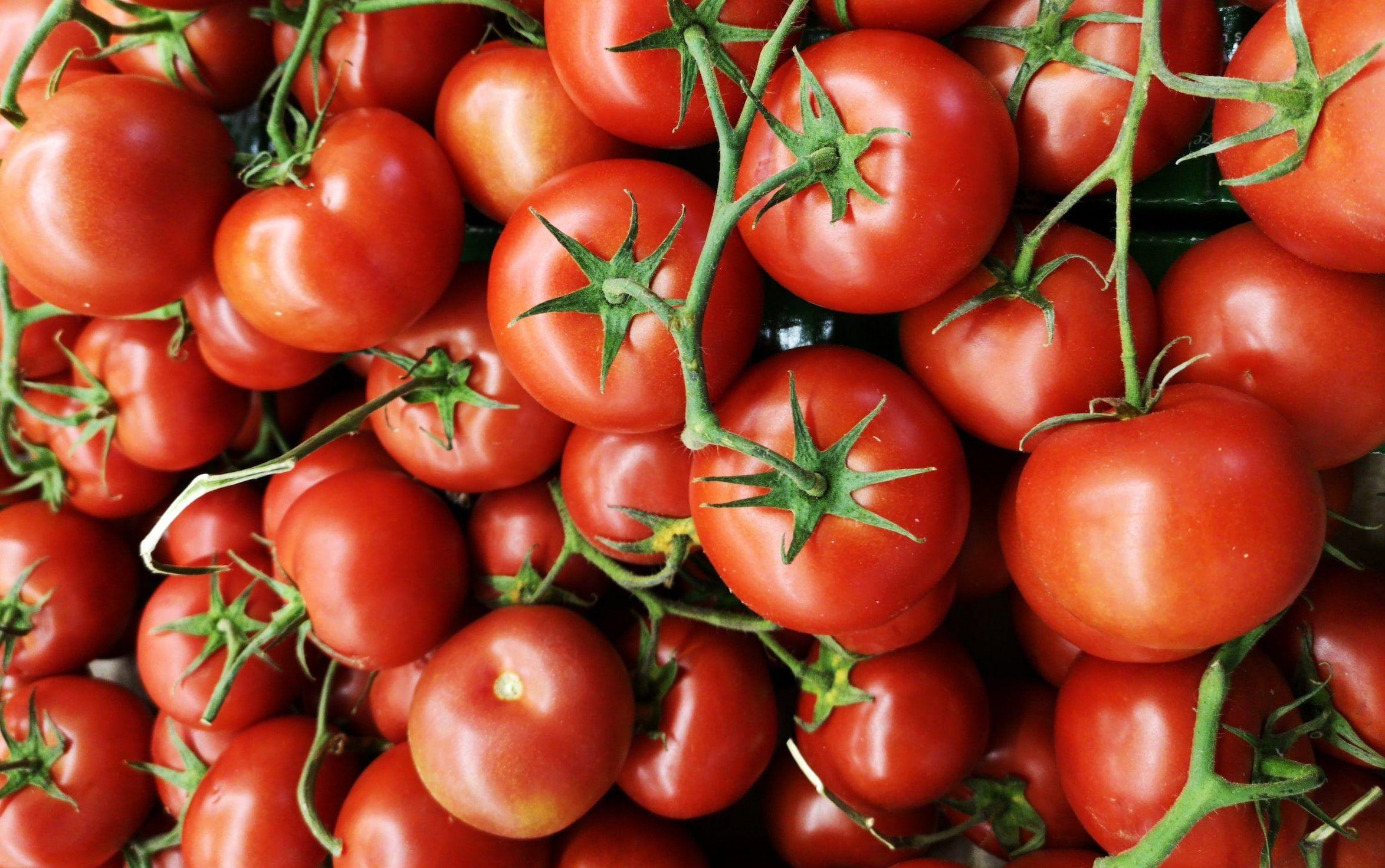
Do you want to explore the best tips and hacks for organic tomato cultivation? Learn with the guide from sowing to harvest to produce high-yield marketable tomatoes. The process of growing organic tomatoes includes several steps, starting from assessing the soil and climate, using pesticides & fertilizers, applying adequate irrigation, disease prevention, and timely harvesting. Let’s read about the process of tomato cultivation.
Tomatoes belong to the genus Lycopersicon, which originated from the Solanaceae family. It’s a sprawling herbaceous plant with a flexible, fragile neck that grows 1-3 m in height. They are known worldwide as one of the most consumable Solanaceae vegetables.
In short, tomato cultivation generates high yields with less storage period. The farming and rate of tomato cultivation are pretty economical for farmers and consumers.
Area and production in India
Tomato cultivation in India has grown significantly in the last four decades. In 1960, the crop was grown on 36,000 ha. At present, the area and production are 4.58 lakh ha and 74.62 lakh tonnes, with a productivity of 16.29 t/ha. Leading tomato-producing states are UP, Karnataka, Maharashtra, Haryana, Punjab, and Bihar.
Nutritive value of Tomato fruits
Tomato occupies a prime position in list of protective foods since it is a rich source of minerals like calcium (48 mg / 100g), sodium (12.9 mg), trace elements, copper (0.19 mg), vitamins like vitamin A (900 IU), vitamin C (27 mg), vitamin B complex (thiamine), essential amino acids and healthy organic acids like citric, formic and acetic acids
Soil Bed Preparation For Tomato Planting
- Tomatoes grow best in sandy loam soils with good drainage. Heavy clay soils are not suitable, as they restrict root growth and prevent proper root spread. The pH of soil plays an important role in tomato growth.
- If the farmers have only clay soil, it can be mixed with sand, peat moss, or coco coir to inculcate moisture and texture that can drain into the soil.
- If the farmer is growing organic tomatoes in a pot or putting fresh seeds in a bed of field, , well-decomposed and aged compost should be used. It provides essential nutrients and helps maintain the right balance of moisture, texture, and drainage in the soil.
- Organic soil can be enriched using green manures, cover crops, rock minerals, and compost. However, acidic soil with a pH of 6.2 - 6.8 encourages growth, and the warmth of sandy soil pushes the early harvesting of tomato farming.
Organic Farming of Tomato
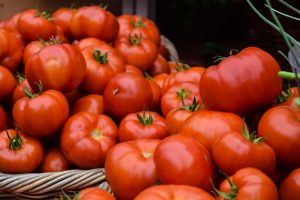
Organic farming refers to the production of fruits and vegetables with natural components like compost, organic or plant-based pesticides, and bio-fertilizers. In organic tomato farming, a different set of environmental conditions is required, which includes preparing the farm, management, and strategy to achieve sustainable development without using harmful chemicals.
The ultimate goal of organic farming is to produce high-quality agricultural products with no chemicals. It keeps the environment healthy and clean, along with maintaining soil fertility.
However, organic tomato farming is a little expensive and takes time to adjust, settle and attain equilibrium. Here are the components of organic agriculture which help achieve the best outcome in vegetable and fruit production.
1. Rotation of Crops
Rotation of Solanaceae crops with non-Solanaceae crops like legumes and pulses is the best way to boost the healthy production of vegetables and fruits, regulate the soil quality, and avoid pests and diseases in the crops. It also builds the nutritional level of tomatoes.
2. Planting Material
Selection of the planting material boosts the production and saves from further wastage. It includes high-yielding chemically untreated seeds, certified farms, aged compost, and organic compounds.
3. Fertility of Soil
Over time, using chemical pesticides, the soil loses fertility and needs refilling. Make sure to add organic components to the soil to boost and maintain soil nutrition. Also, keep rotating the crops and maintain the nitrogen level of the soil.
4. Irrigation for Tomato Cultivation
The plant size, climate, and soil texture decide the water requirement. Overhead sprinklers, surface & furrow flooding, and trickle or drip irrigation techniques are used in tomato farming. The flooding technique is used in large production, while the sprinkler technique is used for wetting the crops from foliage to soil. Tomato farming requires 1-1.3 inches of water once a week.
The irrigation for tomato farming requires the right amount of water at the right time. In winter, it needs irrigation every 10-15 days; in summer, irrigation can be given at an interval of 5-7 days.
Frequently Asked Questions
What are the seed treatment and rates in organic tomato farming?
The organic tomato seeds rate is expensive and needs to be sown in an ice cube tray or plastic cups, which need 70-90 gm /acre. On the other hand, the nursery needs 200-250 g of seeds to plant in a hectare. Treat 5-10 gm Trichoderma with 1 kg seeds or 2 gm of Carbendazim 50 gm wettable powder with 1 kg of seeds to prevent seed-borne diseases. Seeds are dried for 30 minutes after treatment, sown into lines of ½ cm depth, and the seeds are wrapped with a top layer of soil.
What is the spacing for growing organic tomatoes?
In organic tomato farming, the spacing for spring-summer crops is 75 x 45 cm and for autumn-winter crops is 75 x 60 cm.
Name some organic tomato farming fertilizers.
Compost, Organic Cottonseed meal, biofertilizers like Rhizobium, Azospirillum, VAM, Neem cake, and Fish emulsion are some organic options of fertilizers for tomato cultivation to attain the best production of fresh, taste-packed, juicy, tangy, and nutritious tomatoes.
What is the tomato’s yield per acre?
Tomatoes are harvested after three months from the day of transplantation, and around 8- 10 harvests can be taken in tomato farming. According to some reports, the average yield per acre of tomato farming is around 10 tonnes, and it may vary up to 15-20 tonnes per acre on the basis of different conditions like season, irrigation, plant protection and climatic conditions.
Note: The information contained herein is for informational purposes only. Nothing herein shall be construed to be financial or legal advice. Pesticides are a considerable risk to crops, and viewers are advised to do their own research before making any decisions.