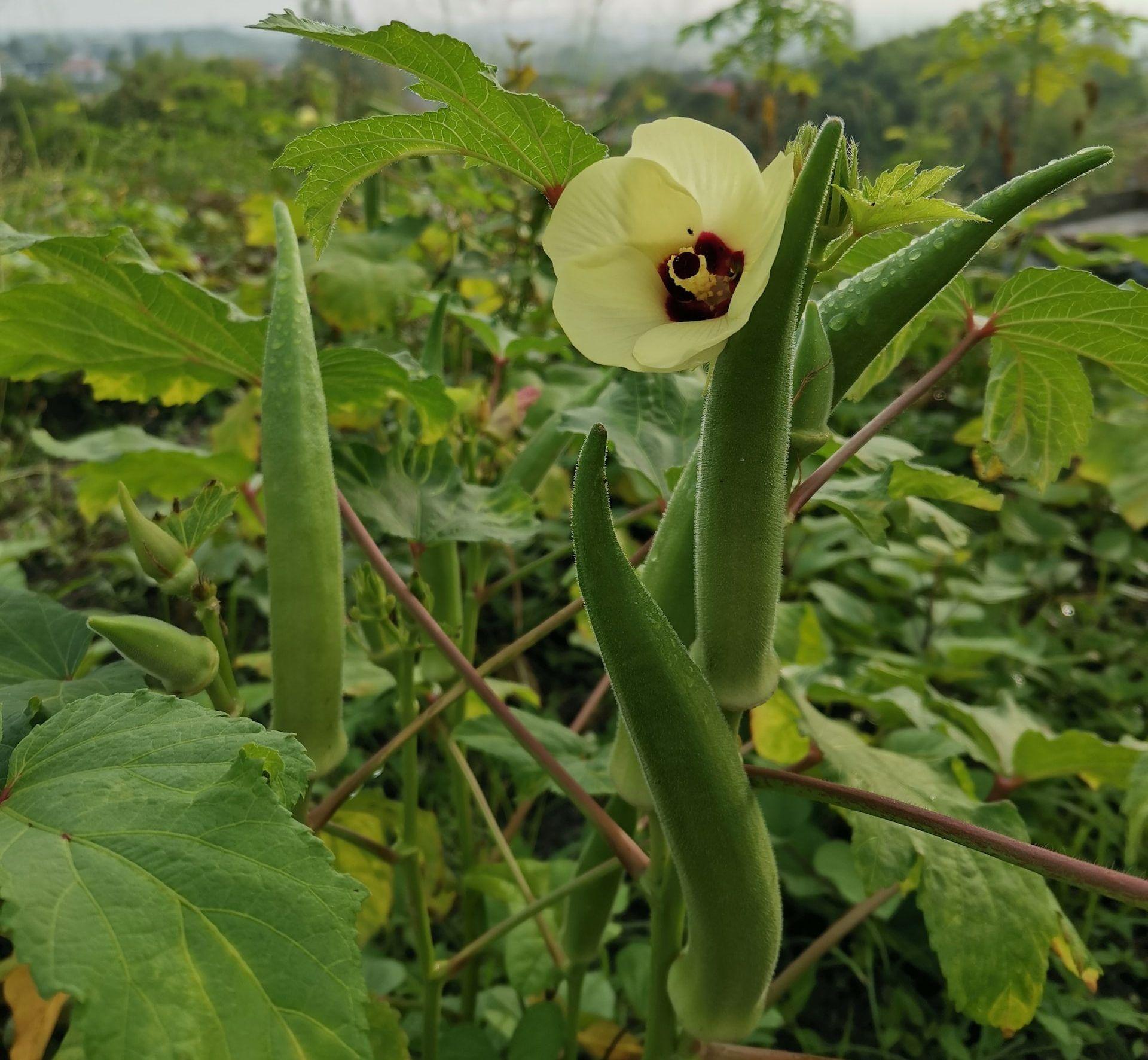
Malvaceae is the family of the okra crop or Lady Finger crop. Okra is an annual crop grown for its green color and vibrant taste. It contains calcium, protein, vitamins, and other nutritious minerals. Okra cultivation is done worldwide, and India is the largest producer.
This article explains symptoms of okra diseases, pests, and control measures. It also covers preventive steps to protect okra cultivation and improve yield. We have bought some preventive measures for ultimate protection from diseases, promoting high-yielding Okra. Let’s read about them to understand how and when to apply them.
Introduction to Okra Diseases
Poor drainage and heavy clay soils increase fungal infections and diseases in okra plants. Okra has low resistance to verticillium wilt, the okra roots develop damage, and the leaves turn pale or yellow. Early symptoms include shrivelling leaves. The fungus spreads in winter and is difficult to control with chemicals. Heating or solarising the soil with plastic sheets beneath keeps the fungal infections away from okra roots.
Insect pests and Fungal Infection
Loss of vigour and drying leaves are common in okra diseases. Red spider mites suck sap from leaves, causing yellow and brown spots. Aphids suck chlorophyll and nutrients from leaves and stems. Whiteflies and their nymphs also damage plants, turning leaves yellow and causing leaf drop.
Regular spraying and monitoring help detect pests early. Preventive steps can reduce damage from okra pests and diseases.
Pests and its Control Measures in Okra Farming
1. Shoot Borer
The larvae of the insect bore in the shoots during the vegetative stage and damage nodes, causing drooping.
Spray the Flubendiamide with 40-60ml per acre added in 200 litre water or spinosad 80ml per acre. Either destroy the affected areas.
2. Fruit borers
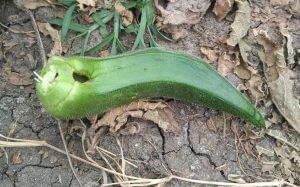
Borer infections cause topping, death of young seedlings & leaves, withering, and damage to central shoots. later it enters the fruit and damages it severely.
Summer ploughing and clean cultivation reduce the chances of borer in okra. Spray Deltamethrin for control.
3. Sucking pests
Leaf curling and deformation in early stages indicate pest attack. Leaves turn yellow due to aphids. Spray Dimethoate 300 ml in 150 litres water after 25-30 days of sowing or remove infected parts early
Okra Diseases and Prevention
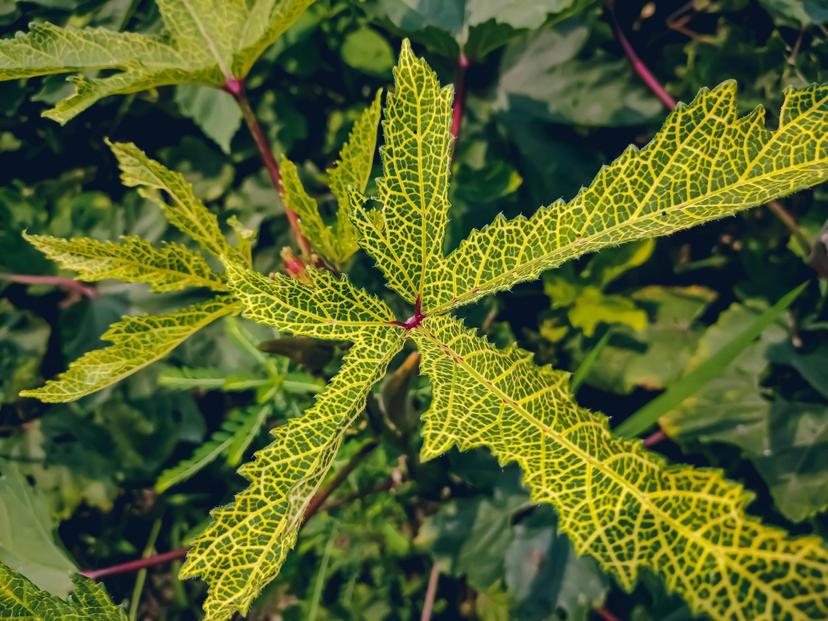
1. Yellow-vein mosaic

- The homogenous tangled web of yellow veins and enclosing green tissue are characteristics of okra diseases.
- In between 10-day intervals, spray the solution of Oxydemeton methyl (0.02%) or Dimethoate (0.05%) and 2% mineral oil. Use hybrid seed varieties.
2. Powdery mildew
- White powdery build-up gets visible on the fruits and young leaves. The stagnant growth of fruit or falling is a sign of okra disease.
- Trimorph of 5 ml or Penconazal by 10 ml/ 10 liter of water in 10 days for four times or Wettable sulfur 25gm/10 litre of water in the same quantity.
3. Root rot
- Early symptoms are brown leaves, and in the last stage, the plant dies.
- Monocropping, crop rotation, soil solarization, and deep ploughing are the best prevention. Drench the soil before sowing with Carbendazim 1g/liter mixed in water.
Frequently Asked Questions
Name some natural control methods for pests that cause okra disease.
Lacewings, Parasitic wasps, lady beetles, and spiders are common pests in the okra disease. On the other hand, clover, alyssum, and parsley are the crops that benefit from preventing okra diseases.
How to make home remedies to prevent okra diseases?
Make a solution of 2 tablespoons of non-odour scent-free vegetable-based liquid soap and dye mixed in one gallon of water. This spray will prevent the early-stage okra crop.
Note: The information contained herein is for informational purposes only. Nothing herein shall be construed to be financial or legal advice. Pesticides are a considerable risk of loss in crops and viewers are advised to do their own research before making any decisions.