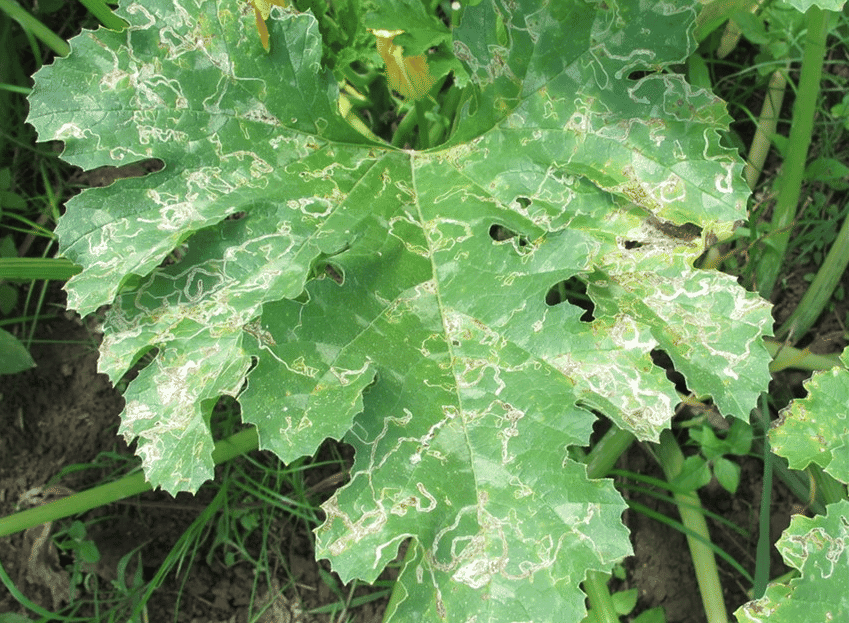
Leaf miners are serious pests that attack a wide range of crops, including vegetables, fruits, and ornamentals and cause economic yield loss. The larva, the attacking stage of the pest, causes damage to leaf tissues, reducing photosynthesis and ultimately reducing the yield and quality of crops. They are typically small maggots that range in colour from yellow to green or brown. They have a piercing and sucking type of mouthpart that allows them to scrape and feed on the plant’s tissue. The feeding activity of the larvae creates distinctive trails or tunnels on the surface of the leaf, which can vary in shape and size depending on the species of leaf miner.
Leaf miner infestations can cause severe damage to crops, affecting growth and yield. Effective management requires early detection and a combination of control measures to reduce their impact on crops.
Different Species of Leaf Miner
- Liriomyza spp - A major pest affecting a wide range of crops such as beans, peas, tomatoes, and ornamental plants. Common species include Liriomyza huidobrensis, Liriomyza trifolii, and Liriomyza sativae.
- Chromatomyia horticola - A pest of vegetables like beans, peas, and potatoes.
- Tuta absoluta - A major pest of tomatoes, causing extensive damage to leaves, stems, and fruits.
- Phyllocnistis citrella - A citrus leaf miner affecting citrus plants.
- Pegomya hyoscyami - A spinach leaf miner that infests spinach and radishes.
Host crops:
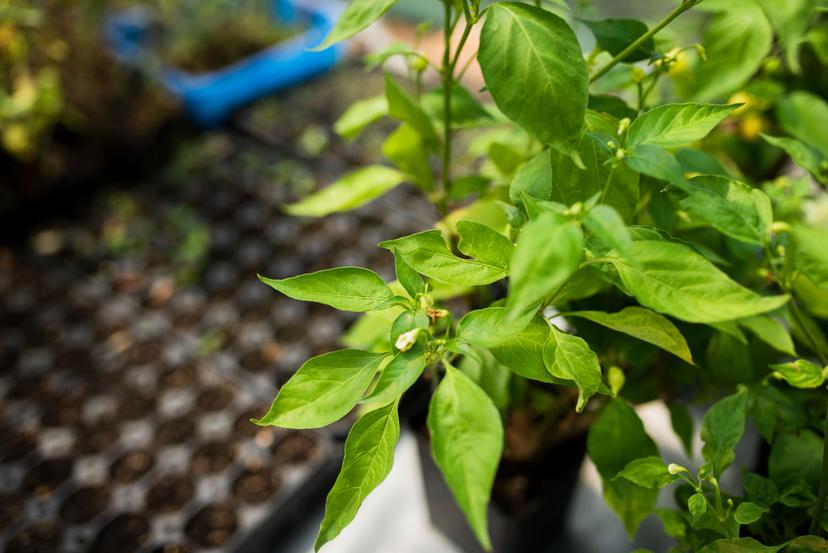
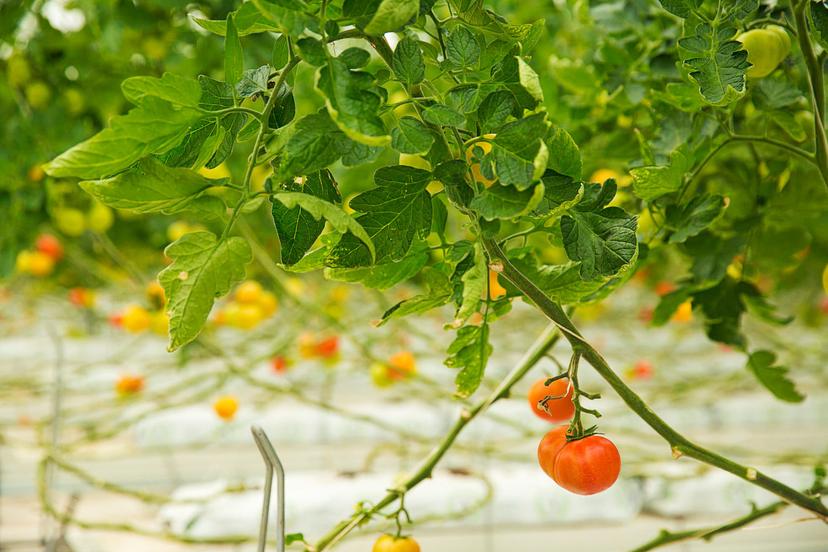
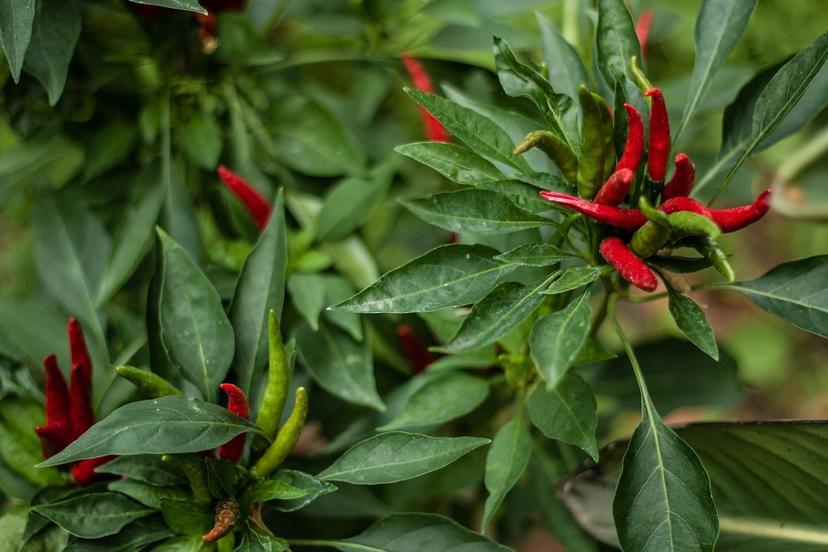
Leaf miners infest a wide range of plants, including vegetables, fruits and ornamentals like tomatoes, potatoes, okra, citrus, spinach, peppers, peas, beans, beets, cucurbits, and cruciferous vegetables.
Symptoms of Leaf Miner Infestation in Crops:
- Tunnels or Trails: The larvae feed on internal leaf tissues, creating shallow tunnels or trails that appear as discolored or brown patches on the leaf.
- Leaf Curling: The mining activity of the larvae causes leaves to curl.
- Yellowing and Wilting: Affected leaves become pale or yellow and may eventually turn brown and wither.
- Distorted Growth: Infested leaves become distorted or shriveled.
- Stunted Growth: Severe infestations can stunt plant growth, reducing yields and quality.
- Premature Leaf Drop: Damaged leaves may dry up and fall off prematurely.
- Secondary Diseases: The larvae weaken the plant, making it more vulnerable to secondary pests and diseases, such as citrus canker.
Favourable Conditions for Leaf Miner Insecticide
- Warm temperatures
- High humidity
- Presence of host crops
- Monoculture cropping
- Plant debris accumulation
- Overuse of pesticides
Preventive Measures:
- Maintain field sanitation by removal and destruction of the infested leaves and crop debris
- Using sticky traps help to detect leaf miner activity early and allow for timely intervention
- Release of biological control agents such as parasitic wasps and predatory insects can be used to control leaf miner populations
- Spraying neem oil on the leaf surface
- Optimum use of fertilizers
- Avoid water stress conditions in the field because it can weaken the plants
- Crop rotation with non-host crops
- Reflective mulch
- Regularly monitor the crops for any signs of leaf miner infestation in weekly interval
Integrated Management of Leaf miner in crops:
|
Product Name |
Technical Name |
Dosage |
Crops |
|---|---|---|---|
|
Mechanical Management
|
|||
|
11 cm x 28 cm |
4 – 6/acre |
Vegetables and ornamentals |
|
|
Chromatic trap |
8 sheets/acre |
All crops |
|
|
Tapas Pinworm lure (For Tuta absoluta) |
Pheromone trap |
8 – 10 traps/acre |
Tomato, Potato |
|
Biological Management
|
|||
|
Azadiractin 10000 PPM |
1.6 – 2.4 ml/lit water |
Cotton, Chilli, Soyabean, Fruit Crops, Bulb Crops, Root Crops, Leafy Vegetables, Cereals, Field Crops |
|
|
Nano Colloidal Micelles 100% (Fatty Acid based Plant Extracts) |
3 ml/lit water |
All crops |
|
|
Chemical Management
|
|||
|
Cyantraniliprole 10.26% OD |
1.7 – 2.0 ml/lit water |
Tomato, watermelon |
|
|
Imidacloprid 17.8% SL |
0.75 to 1 ml/lit water |
Onion, vegetables especially Brassica crops |
|
|
Fipronil 40% + Imidacloprid 40% WG |
0.2 – 0.6 gm/lit water |
Cotton, Paddy, Vegetables, Groundnut, Mango, Citrus |
|
|
Spinetoram 11.7% SC |
0.9 ml/lit water |
Cotton, Pepper, Beans
|
|
NOTE: It's essential to target all stages of the leaf miner lifecycle (eggs, larvae, pupae, adults) for effective control. Use insecticides with systemic or translaminar action to control leaf miners. Always check product labels for proper application timing.
Conclusion
Leaf miner can severely impact plant growth, yield, and quality, making effective management crucial for healthy crops. Integrated management of leaf miners in crops using a combination of preventive and management measures can effectively control leaf miner infestations and minimize crop damage. Preventive, biological and control measures can be used to detect and control infestations at an early stage. In severe cases, chemical control should be a last resort and used with caution to protect beneficial insects and pollinators.
CLICK HERE to learn more about Leaf Miner in Watermelon
Frequently Asked Questions
What are the common symptoms of leaf miner infestation?
Leaf miners create tunnels in the leaves, causing yellowing, curling, and premature leaf drop. Severe infestations can stunt plant growth and reduce yields.
How to reduce the risk of leaf miner infestation in my crops?
To reduce the risk, practice crop rotation with non-host plants, maintain field sanitation, and avoid excessive pesticide use, which can disturb natural predators of the leaf miners.
When is the best time to apply insecticides for leaf miner control?
Leaf Miner Insecticides should be applied early when larvae are first noticed and before they mature into adults. Always follow the product label for the correct application timing to ensure effective control.