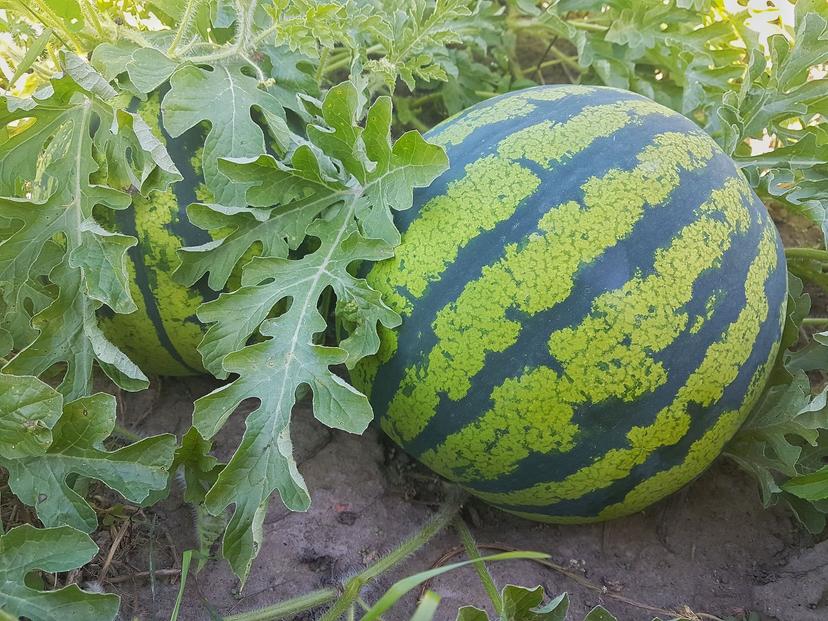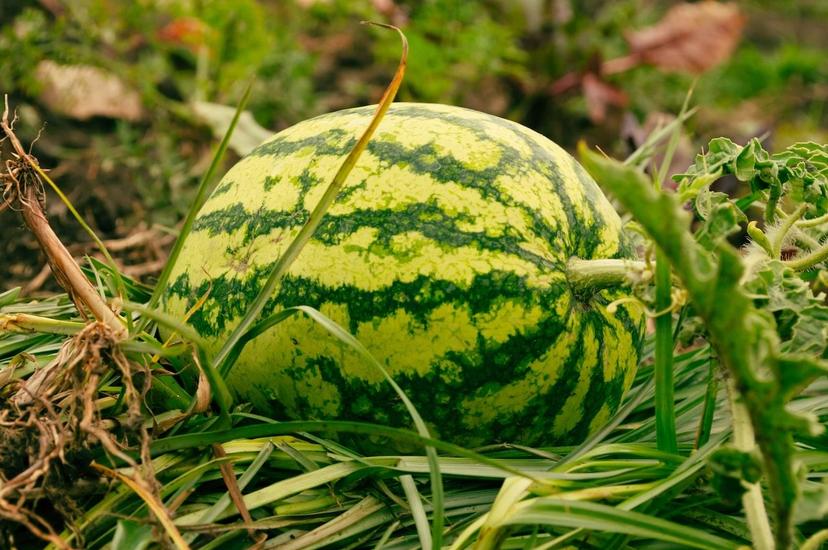
Watermelon is a popular summer fruit widely grown in warm climates. It is rich in water (92%) and provides good nutrition. In India, major watermelon-producing states include Uttar Pradesh, Andhra Pradesh, Tamil Nadu, Karnataka, and Odisha.
With proper watermelon cultivation practices, farmers can improve watermelon yield and fruit quality, and good market value.
Watermelon Soil and Climate Requirements
Watermelon grows best in well-drained sandy loam soil with good organic matter. Avoid waterlogging as it damages roots.
It is a warm-season crop and requires plenty of sunlight.
- Ideal temperature for growth: 25-35°C
- Warm days and slightly cool nights help improve fruit sweetness
Best Watermelon Varieties for High Yield
Choosing the right variety is important for yield and market preference.
Some popular watermelon varieties and hybrids:
- NS 295 Watermelon - Sweet fruits, good size
- AFA 306 Watermelon - Strong plants, good shelf life
- Anmol Yellow Watermelon - Small fruits, unique color
- Apoorva Watermelon - High sweetness and yield
- IRIS Hybrid Watermelon - Suitable for transport
Best Season for Watermelon Cultivation in India
Watermelon is mainly sown during mid-December to January for best results.
Watermelon Seeds & Sowing Guide
Seed Rate
- Varieties: 1-1.5 kg/acre (small seeds), 2 kg/acre (large seeds)
- Hybrids: 300-400 g/acre
Sowing Depth
Seeds should be sown at 2-3 cm depth for proper germination.
Sowing Methods
1. Direct Seeding
In this method, watermelon seeds are sown directly in the main field instead of raising a nursery.
How it is done:
- Prepare the field with fine soil and good moisture
- Make rows and sow seeds at 2-3 cm depth
- Maintain spacing of about 2–3 meters between rows and 0.75–1.5 meters between plants
- After germination, thin plants and keep only healthy seedlings
2. Transplanting Method
In this method, seedlings are first raised in a nursery and then transplanted. This method is less common and mainly used for early crop or hybrid cultivation.
How it is done:
- Sow seeds in nursery trays or polybags
- Grow seedlings for 10-15 days
- Select healthy seedlings
- Transplant into the main field with proper spacing (2–3 meters between rows and 0.75–1.5 meters between plants)
- Irrigate immediately after transplanting
Seed Preparation
- Soak seeds before sowing for better germination
- Use healthy and quality seeds for better yield
Watermelon Irrigation Management
Watermelon requires controlled irrigation due to its deep root system.
- First irrigation after sowing or transplanting
- Subsequent irrigation at 7-14 day intervals depending on soil type and moisture condition
- Avoid water stress during flowering and fruiting
- Stop irrigation 3-6 days before harvest
Drip irrigation is highly recommended for better yield, water saving, and disease control.
Mulching and Watermelon Crop Care Practices
Mulching helps in:
- Moisture conservation
- Weed control
- Protecting fruits from soil contact
Use dry straw or plastic mulch for better results.
Crop Care Tips:
- Remove weak or damaged fruits
- Keep only 4-5 fruits per plant for better size
- Pinch vines to promote side branches
Watermelon Pest and Disease Management
Common Watermelon Pests:
- Fruit fly
- Aphids
- Thrips
- Whiteflies
Common Watermelon Diseases:
- Powdery mildew
- Downy mildew
- Fusarium wilt
- Mosaic virus
Regular monitoring and timely control measures help in preventing yield loss
To get complete guide on watermelon pests and diseases, READ: Watermelon Pest and Diseases: How to Identify and Control Them
Watermelon Harvesting Guide
Watermelon is ready for harvest 30-40 days after flowering.
Signs of maturity:
- Dry tendril near fruit
- Dull sound when tapped
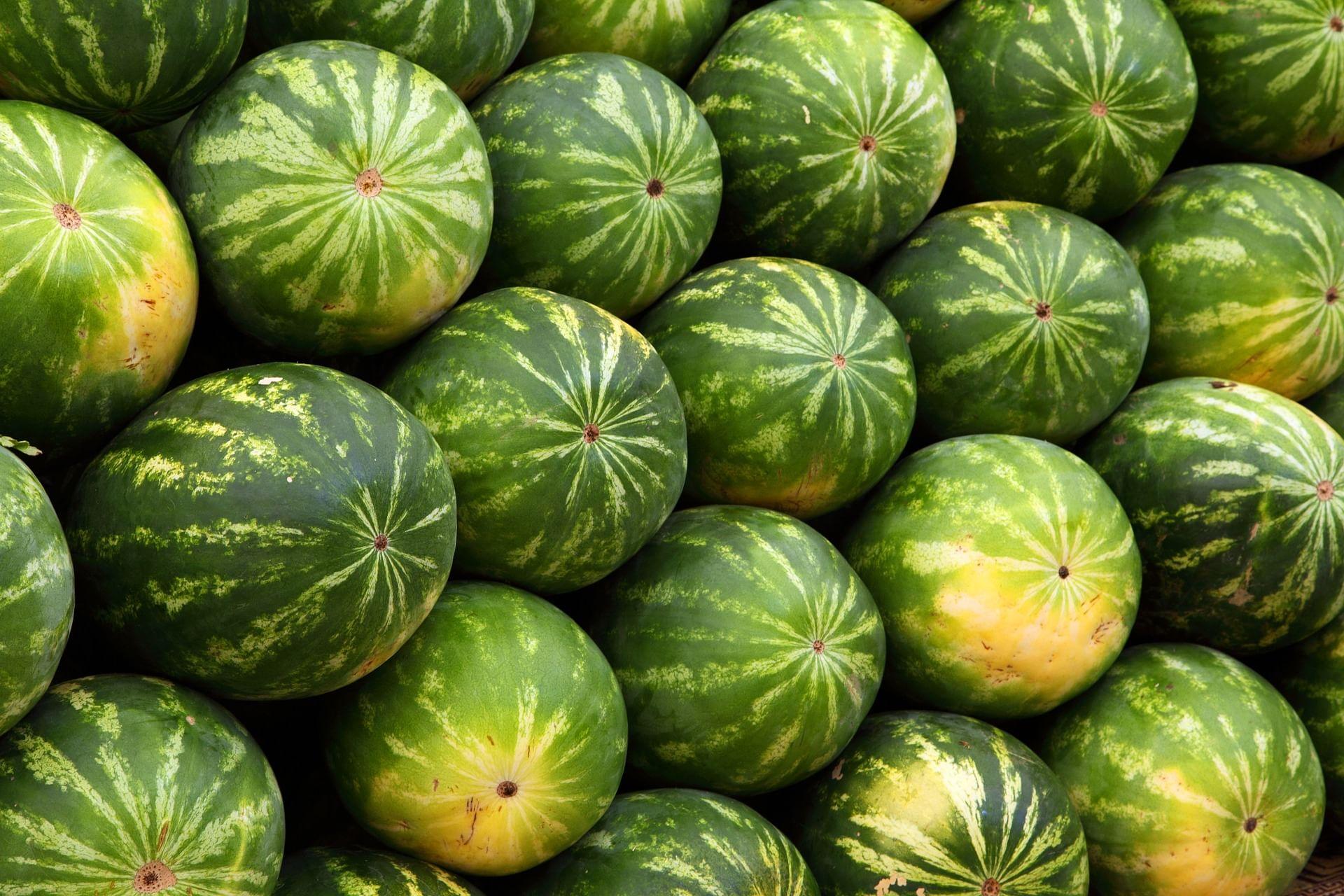
- Yellow spot on ground side
- Hard outer rind
Harvest at the right stage for better taste and market value
Watermelon Storage and Post-Harvest Management
- Watermelons can be stored for up to 10-15 days in cool conditions
- Avoid very low temperature
- Handle fruits carefully to prevent damage
Conclusion
Watermelon cultivation can be highly profitable if farmers follow proper sowing, irrigation, and crop management practices. By choosing the right variety and maintaining good field care, farmers can achieve high yield and better quality fruits.