Fruit cracking is one of the most frustrating problems for pomegranate and tomato growers. A perfectly grown fruit that splits open just before harvest loses market value almost completely. Cracking is rarely a single issue — it usually comes from a mix of water, nutrient, and weather factors. Understanding the cause is the first step to prevention.
What Is Fruit Cracking?
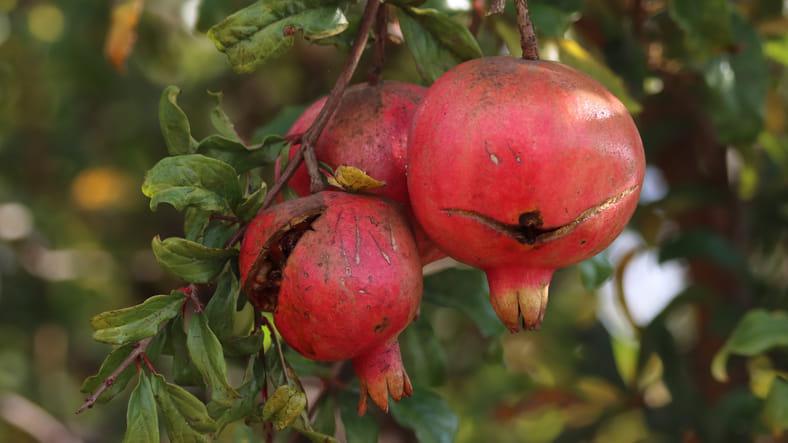
Cracking is a physical splitting of the fruit skin (and sometimes the flesh) caused by rapid changes in internal pressure. It usually appears in pomegranate as deep radial cracks and in tomato as concentric or radial cracks near the stem end. Once cracked, the fruit is vulnerable to fungal rot and insect attack.
Main Causes of Fruit Cracking
1. Uneven Water Supply
The single biggest cause. When a crop suffers drought followed by heavy irrigation or rain, the fruit absorbs water suddenly, expands faster than the skin can stretch, and cracks. Common during late summer and pre-monsoon period.
2. Calcium Deficiency
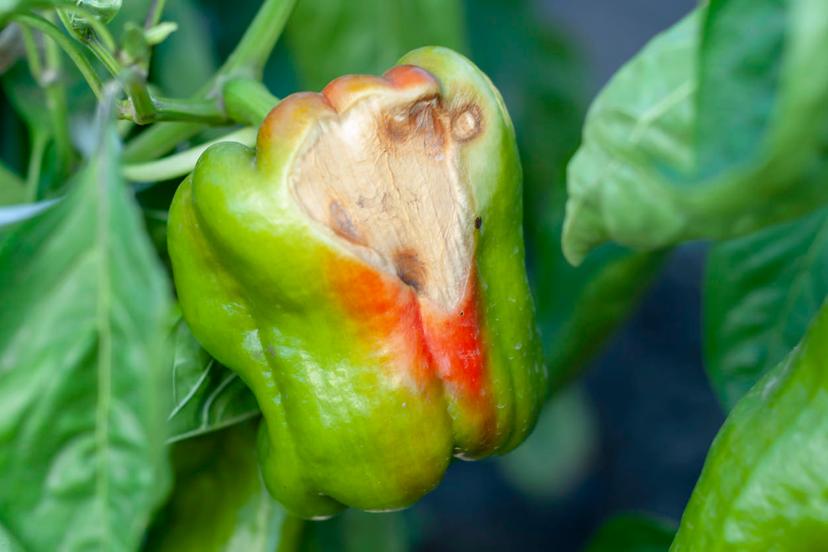
Calcium gives strength to the cell wall. Low calcium leads to weak fruit skin that cracks easily. It also causes blossom-end rot in tomato.
3. Boron Deficiency
Boron supports cell wall integrity and water movement. Deficiency leads to thin, fragile skin and increased cracking, especially in pomegranate.
4. Potassium Imbalance
Potassium controls water regulation inside the plant. Excess or shortage disrupts skin elasticity and increases cracking risk.
5. Sudden Temperature Changes
Hot days followed by cool nights, or direct sun exposure on previously shaded fruits, cause sunscald and cracking.
6. Variety and Fruit Maturity
Some varieties are genetically more crack-prone. Over-ripe fruits crack faster than properly harvested fruits.
Prevention Strategies
1. Maintain Even Soil Moisture
- Use drip irrigation for uniform water delivery.
- Mulch with paddy straw, plastic, or organic matter to reduce evaporation.
- Avoid letting the soil dry out and then over-irrigating.
- Schedule irrigation every 4 to 6 days in tomato; every 8 to 12 days in pomegranate, adjusting for soil type and weather.
2. Apply Calcium and Boron at the Right Stage
- Calcium nitrate at 0.5 percent foliar spray at flowering and early fruit set.
- Borax or Solubor at 0.1 to 0.2 percent foliar at flowering and fruit development.
- Soil application of gypsum 100 to 200 kg per acre for calcium-poor soils.
- Soil application of borax 4 to 8 kg per acre in deficient soils.
3. Use Balanced Potassium
- Foliar spray of 0:0:50 (SOP) at 5 g per litre at fruit development.
- Avoid sudden heavy doses; split into multiple applications.
4. Provide Shade and Wind Protection (Pomegranate)
- Train trees to maintain a balanced canopy so fruits are not directly exposed.
- Use shade nets in extreme heat zones during fruit development.
- Wind breaks reduce stress on fruits.
5. Harvest at Right Maturity
- Do not leave fruits on the plant beyond optimum maturity.
- Harvest early in the morning or late afternoon.
- Sort and grade carefully; cracked fruits invite rot in stored stacks.
Quick Reference Table
|
Cause |
Prevention |
|---|---|
|
Uneven water |
Drip irrigation, mulching |
|
Low calcium |
Calcium nitrate foliar at flowering |
|
Low boron |
Borax 0.1–0.2 percent at fruit set |
|
K imbalance |
0:0:50 spray at fruit development |
|
Heat / sunburn |
Canopy shade, wind breaks |
|
Late harvest |
Pick at proper maturity |
Conclusion
Fruit cracking is rarely about one cause. Even moisture, calcium, boron, and timely harvesting together protect the fruit. Apply nutrients as per label and consult your local KVK or horticulture officer for crop-specific advice in your region.