Key Highlights
- Forage crops in agriculture are essential for providing nutritious and cost-effective feed for livestock
- These crops improve animal health, increasing milk and meat production
- Forage crops can be grown as annual or perennial crops, depending on farm requirements
- Common examples include legumes, cereals, grasses, and tree fodder varieties
- Proper harvesting and grazing timing help maintain fodder quality and yield
- Forage crops improve soil fertility, reduce erosion, and support sustainable farming
- Many forage crops are drought-tolerant and suitable for low rainfall conditions
- They also provide an additional income source through fodder sales and livestock productivity
Forage crops, also known as fodder crops, are grown mainly to feed livestock like cows, goats, and sheep. These crops are valued for their leaves and stems and are consumed through grazing, hay, or silage.
Proper timing of grazing or harvesting is important to maintain fodder quality. Forage crops are rich in protein, highly digestible, and improve animal health, leading to better milk and meat production.
They can be grown as monocrops, mixed with cereals or legumes, or used as cover crops. In agriculture, forage crops provide a cost-effective feed source while also improving soil health and reducing erosion.
Commonly Cultivated Fodder / Forage Crops
Some common forage crop examples grown by farmers include:
Legumes |
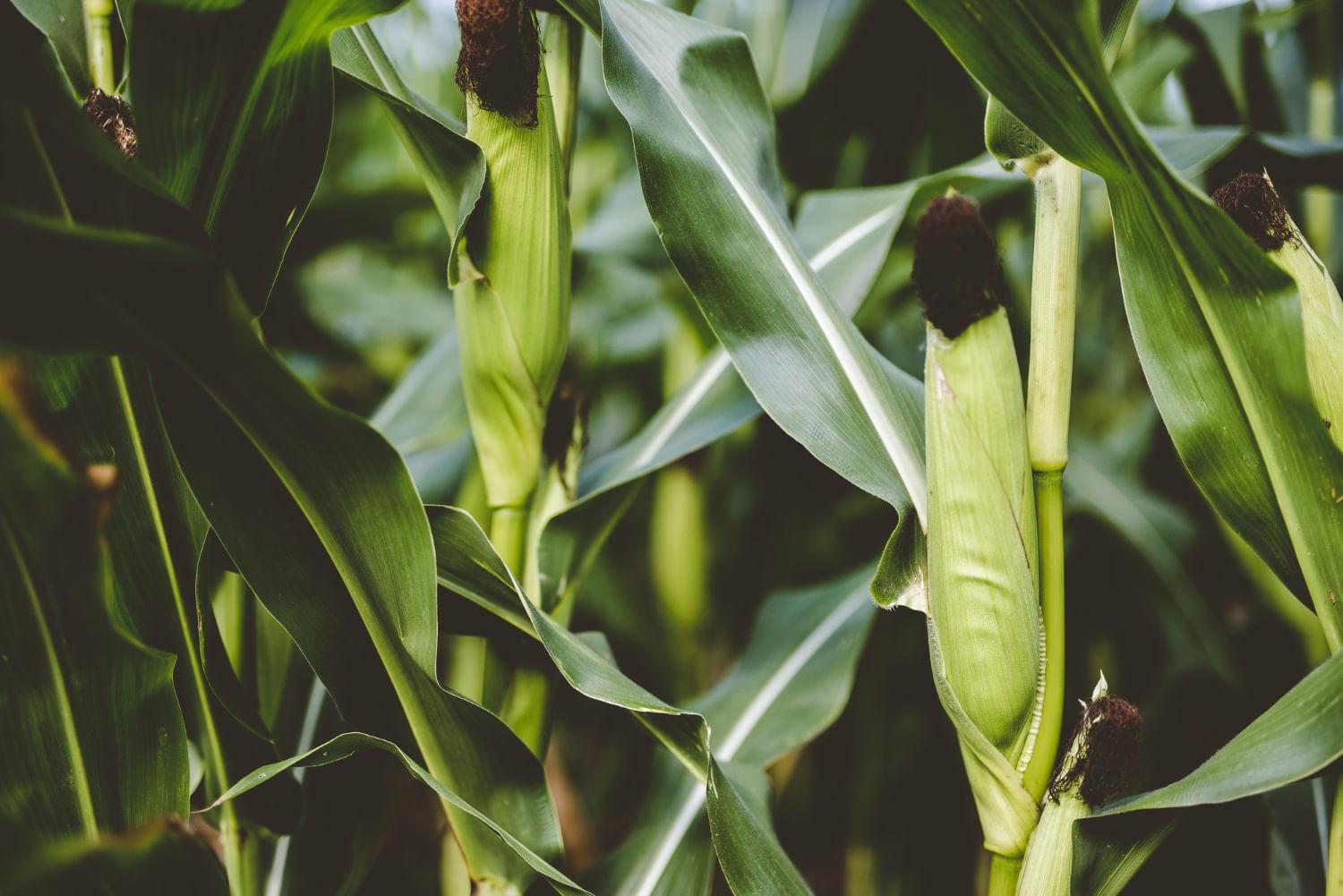
Cereal Fodder |
Grass Fodder |
Tree Fodder |
|---|---|---|---|
|
Cowpea |
Fodder maize |
Napier grass |
Sesbania |
These crops are widely cultivated because they provide nutritious fodder for livestock and support better animal production.
Types of Forage Crops
There are different types of forage crops grown in agriculture. Fodder crops are mainly classified into two categories: Annual forage crops and Perennial forage crops.
Annual forage crops
Annual forage crops are grown for a single growing season. These crops are usually sown during the summer or monsoon season. Examples include fodder maize, fodder sorghum and millets.
Perennial forage crops
Perennial forage crops can grow for several years and regrow after each harvest. Because of this, they provide a long-term and sustainable source of livestock feed. Lucerne and many grasses fall under this category.
Importance of Forage Crops in Agriculture
The importance of forage crops in agriculture is very high because they provide nutritious feed for livestock and help improve farm productivity.
Some key benefits of forage crops include:
- Forage crops provide high-quality feed for livestock and support animal health.
- Higher livestock productivity leads to increased milk and meat production.
- These crops help improve soil fertility and soil structure.
- They help reduce soil erosion and improve water retention in soil.
- Many forage crops are drought-tolerant and can grow even in limited rainfall conditions.
- They can be included in crop rotation systems to reduce pests and diseases.
- Farmers can earn additional income by selling fodder as hay or silage.
- Forage crops also help in carbon sequestration by storing carbon in soil through their deep root systems.
- These crops improve biodiversity by supporting beneficial insects, birds and soil microorganisms.
Because of these advantages, forage crops are considered an important part of sustainable agriculture.
Buy These Fast-Selling Forage Crop Seeds from BigHaat
|
Product Name |
Features of the Product |
|---|---|
|
High yielding and nutritious forage crop suitable for single cut. High Brix content (16-18%), high protein content (11-13%) and high metabolizable energy. Plants are tall with thick juicy stems and soft internodes. Good palatability and suitable for silage. High dry matter content and drought tolerant. |
|
|
High biomass yield and suitable for multi-cutting. Drought-tolerant with no risk of prussic acid poisoning and suitable for early feeding. High protein and nutrient value with high palatability and good digestibility. |
|
|
Suitable for multi-cutting with fast growth and excellent re-growth. Good for green fodder and dry kutti. Juicy and soft fodder with a plant height of 4-5.5 feet. |
|
|
BMR sweet sorghum with high Brix value. Good for green fodder and silage. Produces juicy and soft fodder. |
|
|
Perennial Lucerne variety that gives up to 30 cuts with high yield. Provides highly digestible protein and good palatability. |
|
|
Highly nutritious grass with 14-18% crude protein and high palatability. It can be used fresh or as hay and helps improve milk production and quality. |
NOTE: To know more about fodder cultivation practices, seed rate, harvesting, cutting timings and other details, check the product description.
Conclusion
Forage crops play a very important role in sustainable agriculture by providing high-quality feed for livestock while also improving soil health and biodiversity. The importance of forage crops continues to increase as farmers focus on better livestock management and sustainable farming practices. By selecting suitable forage crops and following proper cultivation practices, farmers can improve fodder availability and livestock productivity.
However, forage crops can also be affected by pests and diseases, so proper crop management is important to maintain productivity. Government initiatives such as the National Livestock Mission and Rashtriya Krishi Vikas Yojana also support farmers in promoting high-quality fodder production and improving livestock farming systems.
Frequently Asked Questions
1. What are forage crops, and why are they important in agriculture?
Forage crops are crops grown mainly to feed livestock animals such as cows, goats, and sheep. The importance of forage crops in agriculture lies in providing nutritious feed for livestock, improving soil fertility, and supporting sustainable farming practices.
2. What is the meaning of forage crops?
The forage crops refer to plants cultivated specifically for animal feed. These crops are used for grazing, hay, or silage and play an important role in forage in agriculture by supporting livestock nutrition.
3. What are some common forage crop examples?
Some common forage crop examples include fodder maize, fodder sorghum, pearl millet, cowpea, lucerne, and grasses like Napier and Guinea grass. These crops are widely grown because they provide high-quality feed for livestock.
4. What are fodder crops, and how are they different from forage crops?
Many farmers ask what fodder crops are. Fodder crops are plants grown specifically for feeding livestock. In most cases, fodder crops and forage crops are used interchangeably because both refer to crops used as animal feed.
5. What are the different types and benefits of forage crops?
There are different types of forage crops, mainly annual and perennial crops. The major benefits of forage crops include improved livestock nutrition, better soil health, increased farm productivity, and support for sustainable agriculture.