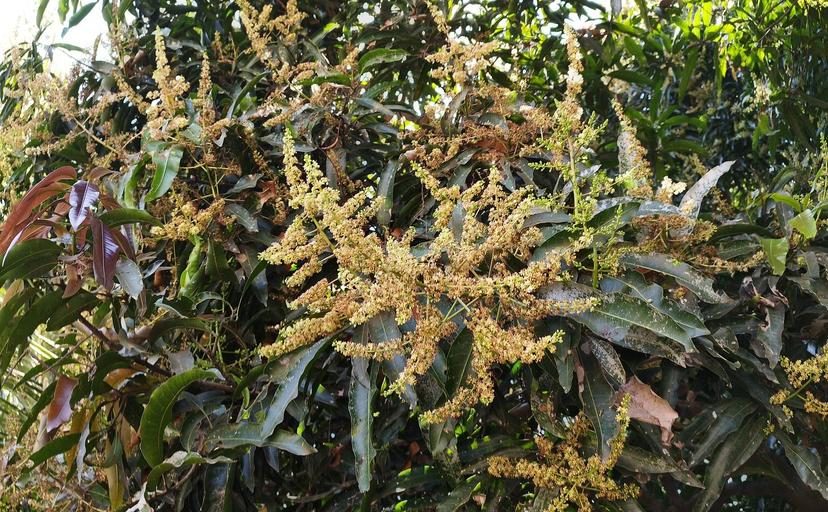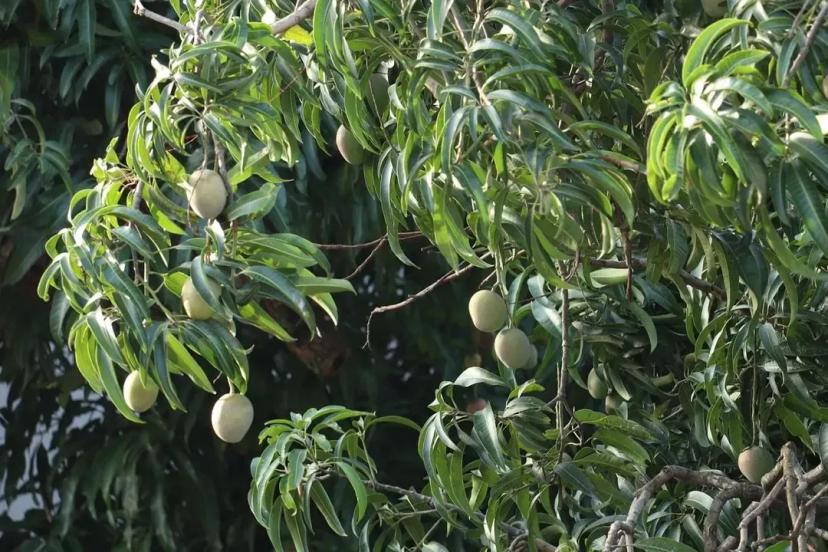
The summer season has already arrived. Are you waiting for your much anticipated mango harvest? Don’t let fruit flies hinder your mango yield and diminish your profits. Since fruit is the main economic part, protecting it is essential. The mango fruit fly (Bactrocera dorsalis) is a serious pest, especially during fruit development and ripening.They can infest a significant portion of fruits, reducing quality and market value. On average, infestation causes 25–30% loss, and in severe cases up to 90%. Early detection and proper fruit fly control are important for a successful season.
Symptoms of Fruit Fly in Mango:
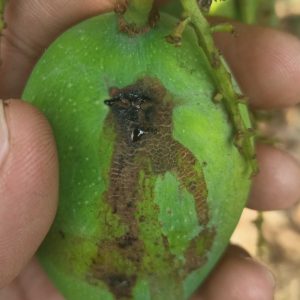
To detect mango fruit fly infestation, look for these signs:
- Presence of gummy exudations
- Adult female fruit flies puncture the skin of developed fruits and lay their eggs within the inner flesh.
- Once the eggs hatch, the maggots consume the pulp of the fruit, causing it to decay and rot.
- As the larvae feed on the fruit, it may become mushy, discolored or develop brown or black sunken spots/patches.
- Affected mangoes may show signs of blemishes and shriveling.
- The internal feeding of the larvae can result in the presence of sticky secretions or gummy exudations on the surface of infested fruits.
- Small exit holes of larvae can be visible on the fruit skin.
- Infested fruits rot from inside, leading to a foul smell and deterioration of the fruit.
- Affected fruits may tend to ripen prematurely and drop off.
Preventive Measures of Fruit Fly in Mango:
1. Cultural:
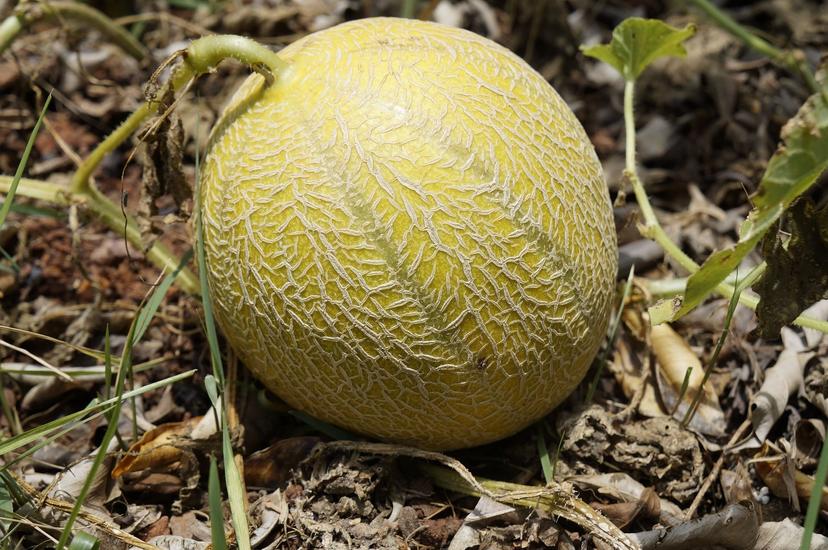
- Avoid alternate host crops like guava, papaya, citrus, and melons near orchards.
- Collect and dispose of any fallen or infested fruits away from the orchard.
- Expose the pupae to sunlight and eliminate them by ploughing the topsoil of the orchard to about 10 cm depth during Nov - Dec.
- Plant varieties with early maturity, enabling the fruits to ripen during periods of low fruit fly populations.
- Grow mango varieties with similar growth cycles.
- Remove weeds around the trees and maintain field sanitation.
- Remove any wild or old trees in or near the orchard to eliminate the potential breeding sites.
2. Mechanical:
- Keep 6 - 8 Tapas fruit fly pheromone trap per acre to monitor and control fruit fly population.
- For a 1-acre orchard, install 4 - 6 yellow sticky traps to catch adult fruit flies which are particularly attracted to their bright yellow colour.
- Use food bait traps (sugar-based or protein-based) to effectively lure and trap fruit flies.
- Use methyl eugenol traps at 4 - 6 per acre to lure and kill male fruit flies. It can be prepared by adding 10 ml of the mixture to a cotton ball (1 ml/lit methyl eugenol + 2 ml/lit Lambda-cyhalothrin) and placing it in a trap. Other food baits such as yeasts, sugar syrup or ripe/overripe mangoes/banana with poison can also be used to trap fruit flies.
NOTE: Time and placement of traps is important to ensure effective trapping. Place the traps during the fruit development stage till the harvest. Also, hang or position the traps near areas of high fruit fly activity.
3. Physical Barrier:
- Bag the mango fruits with fine mesh nets or covers to create a physical barrier, preventing fruit flies from infesting the fruits.
4. Biological:
- Spray neem oil at 2 - 3 ml/lit of water at regular intervals.
- Introduce natural enemies such as parasitic wasps.
ITK Practices to Control Fruit fly in Mango:
- Crush 20 grams of holy basil leaves (Ocimum sanctum) and place in a coconut shell with 100 ml water. Add 0.5 g citric acid and 0.5 g carbofuran 3G too enhance the longevity of the extract.Hang the traps from mango tree branches at 4 traps per tree.
- Prepare a trap using a bottle with 2 holes on the bottle, 5 cm above its bottom. Fill with vinegar (1 cup), water (2 cups), and honey (1 tbsp). Shake the mixture and then fill the trap with it up to the level of the holes and hang it at about 5 feet high to attract fruit flies.
Control Measures:
For effective management of fruit flies, prioritize preventive measures before resorting to chemical management.
1. Bait Splash:
In case of severe infestation (>5 flies per trap per day), bait spray can be done on the tree trunk once a week. Prepare it by mixing 100 grams of molasses or jaggery and 2 ml/lit of Deltamethrin in 1 liter of water.
2. Biological Insecticide:
Spray Tracer Insecticide at 0.4 ml/lit water for effective biological pests control.
3. Chemical Management of Fruit Fly in Mango:
|
Product name |
Technical content |
Dosage |
|---|---|---|
|
Quinalphos 25% EC |
2 ml/lit water |
|
|
Deltamethrin 2.8 EC |
1.5 ml/lit water |
|
|
Fipronil 40% + Imidacloprid 40% WDG |
0.5 gm/lit water |
|
|
Dimethoate 30% EC |
1.5 ml/lit water |
|
|
Flubendiamide 8.33% + Deltamethrin 5.56% SC |
0.5 ml/lit water |
NOTE: The above-mentioned insecticides can be sprayed along with neem oil. Check the product’s description to know the right time of application
Post-harvest Treatment:
Treat the harvested fruits with hot water at 48˚C for 1 hour.
Conclusion:
To protect your mango crop from fruit fly attacks, regular monitoring, proper sanitation, fruit fly traps, neem sprays, and timely fruit fly control measures are essential. By combining these practices, you can safeguard fruit quality and increase yield and profit.
Click here to learn more about maximizing mango yields: Healthy Trees, Bounty Harvest.
Frequently Asked Questions
How can I control mango fruit fly effectively?
Use fruit fly traps, neem sprays, field sanitation, and chemical sprays when needed for proper mango fruit fly control.
What are the early symptoms of fruit flies in mango?
Early signs include gummy exudation, small punctures, and early fruit dropping.
When should I start fruit fly management in mango?
Start control measures during fruit development stage and continue till harvest.